 Save
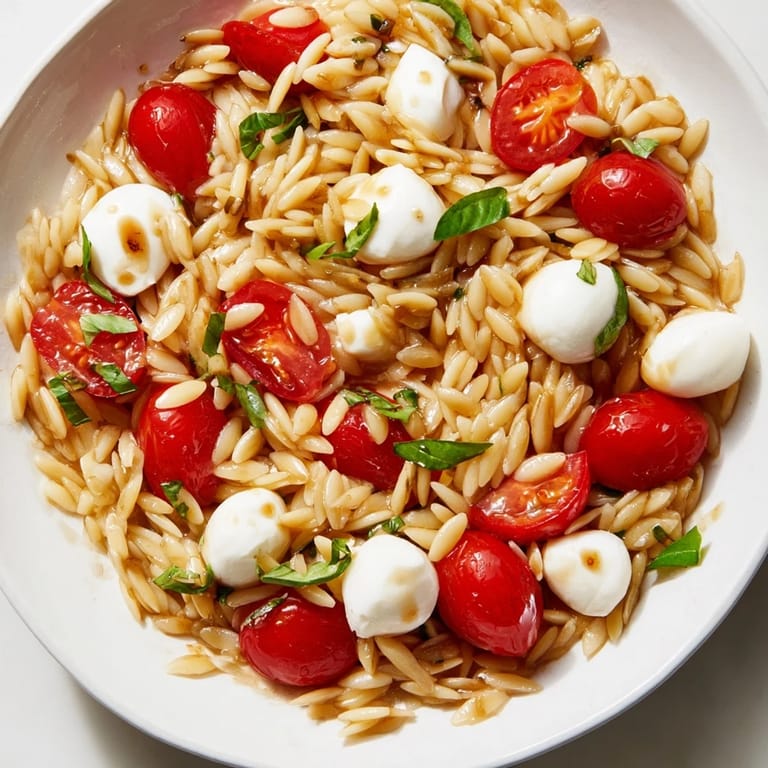
Save One July afternoon, I was standing in my kitchen with a colander full of warm orzo and absolutely no idea what to do with it. A farmer's market bag of cherry tomatoes sat on the counter, blushing in the sunlight, and a ball of fresh mozzarella was practically begging to be used. I threw them together on a whim with some basil from the windowsill and a splash of vinegar, and something magical happened. That first bite—the warm pasta meeting cool, creamy cheese, the burst of tomato juice, the herbaceous snap of basil—felt like summer had finally arrived. It became the salad I make again and again, especially when I don't want to spend hours in the kitchen.
I remember bringing this to a potluck at my neighbor's house and watching people go back for thirds. One guest, who claimed she didn't really like salad, ate nearly half the bowl while chatting by the kitchen counter. She asked for the recipe while licking balsamic vinegar off her fork, and I knew then that something humble and simple had somehow become irresistible. That's when I realized this wasn't just a salad—it was an edible love letter to everything fresh.
Ingredients
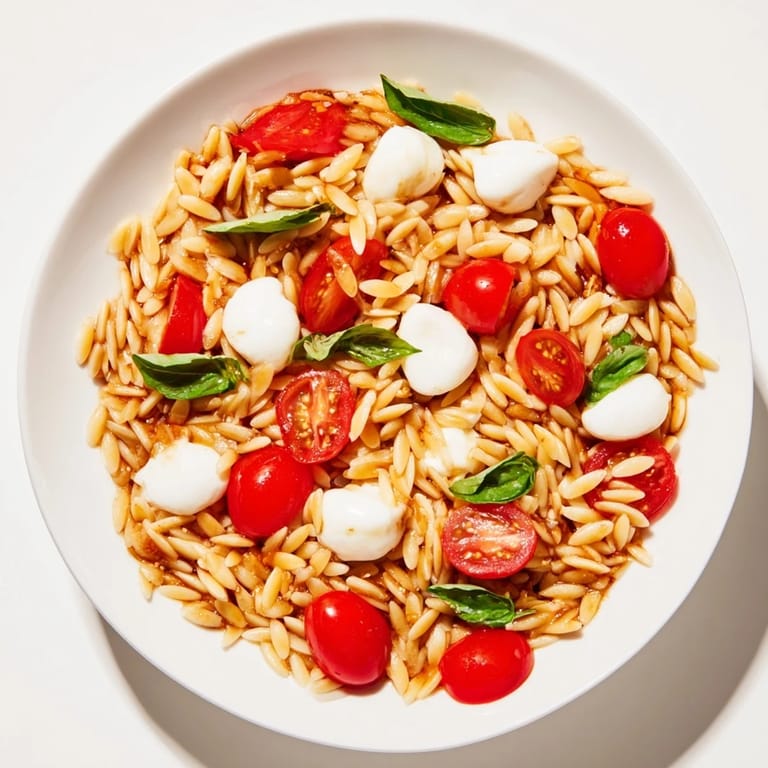
- Orzo pasta: This tiny, rice-shaped pasta absorbs the dressing beautifully and gives you that satisfying, substantial bite without being heavy. Cook it al dente so it stays tender but not mushy, and always rinse it with cold water to stop the cooking process.
- Cherry tomatoes: Halving them releases their juices into the salad without overwhelming the delicate mozzarella. Choose tomatoes at their peak ripeness—they should give slightly when you squeeze them.
- Fresh mozzarella balls (bocconcini): Their creamy, mild flavor balances the acidity of the vinegar, and they soften just enough when tossed with warm pasta. If you can't find bocconcini, tear regular fresh mozzarella into bite-sized pieces.
- Fresh basil: Slice it by hand just before serving so it doesn't blacken or bruise. This ingredient makes or breaks the dish, so use the best basil you can find.
- Extra-virgin olive oil: This is where flavor lives in the dressing, so don't skimp or use regular olive oil. A good one tastes peppery and fruity and makes every other ingredient sing.
- Balsamic vinegar: The acidity cuts through the richness of the mozzarella and provides a subtle sweetness. Don't use the cheap, syrupy stuff—seek out a proper aged vinegar.
- Dijon mustard: Just a teaspoon acts as an emulsifier, binding the oil and vinegar together into a cohesive dressing that actually coats each ingredient.
- Garlic and seasonings: The minced garlic adds a quiet pungency, while salt and pepper are your final adjustments that bring everything into focus.
Tired of Takeout? 🥡
Get 10 meals you can make faster than delivery arrives. Seriously.
One email. No spam. Unsubscribe anytime.
Instructions
- Boil the orzo until just tender:
- Fill a large pot with water, add a generous pinch of salt so it tastes like the sea, and bring it to a rolling boil. Add the orzo and cook for 8 to 10 minutes, stirring occasionally so nothing sticks to the bottom. You want it tender enough to bite through easily but still with a slight firmness in the center.
- Cool the pasta properly:
- Drain the orzo into a colander and run it under cold water, stirring it gently with your hand to release the heat. This stops the cooking instantly and keeps the pasta from becoming mushy or clumping together as it sits.
- Combine everything in a bowl:
- Transfer the cooled orzo to a large mixing bowl and scatter the halved tomatoes, mozzarella pieces, and sliced basil on top. Don't toss yet—you're just gathering your ingredients together for the moment the dressing arrives.
- Make the dressing:
- In a small bowl or a jar with a tight lid, whisk together the olive oil, balsamic vinegar, mustard, minced garlic, salt, and pepper. If you're using a jar, screw the lid on tight and shake vigorously until everything looks creamy and emulsified, about 20 seconds.
- Dress and toss gently:
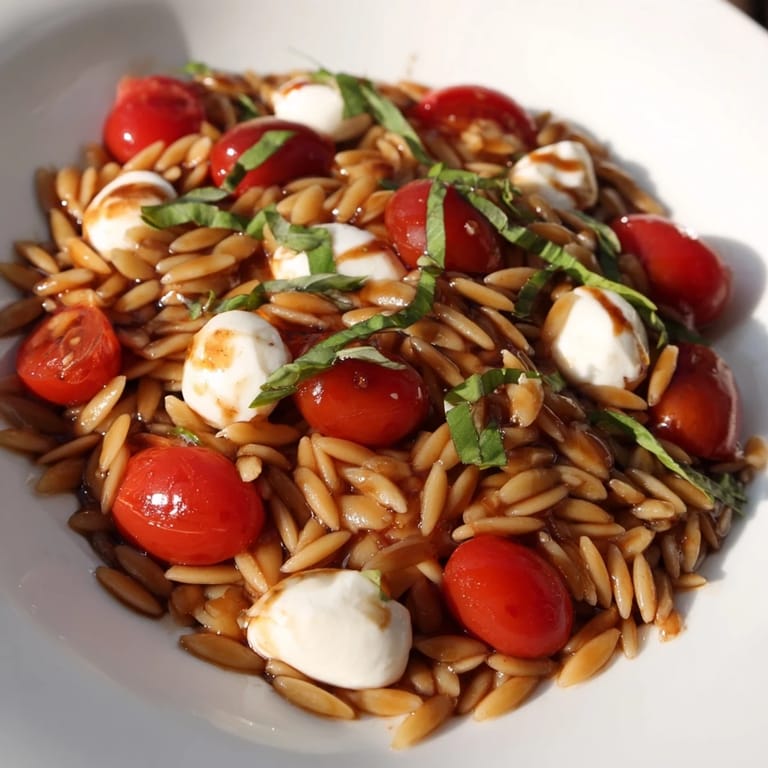
- Pour the dressing over the salad and toss everything together with a gentle hand, turning it over a few times so every piece gets coated. The warmth of the orzo will soften the cheese slightly and help the flavors marry together.
- Taste and adjust:
- Pinch a piece of orzo and a bit of tomato between your fingers and taste it. Does it need more salt, a touch more vinegar, or an extra grind of pepper? Make those small adjustments now before serving.
 Save
Save There was a moment last summer when I was eating this salad at my kitchen table, fork in hand, and I suddenly understood why people write about food. It wasn't just the flavors or the colors, though those were beautiful—it was the feeling of biting into something that tasted exactly like the season we were in. That's when food becomes more than sustenance; it becomes a memory you're building in real time.
The Beauty of Simple Ingredients
This salad teaches you something important if you're willing to listen: great cooking doesn't mean complicated cooking. When you have fresh tomatoes, creamy mozzarella, and good olive oil, you don't need ten techniques or obscure ingredients to create something people will remember. It's a lesson that changed how I approach cooking altogether. I started shopping more carefully, choosing fewer ingredients but making sure each one was worth its place on the plate.
Making It Your Own
The foundation of this salad is rock solid, but it also welcomes improvisation in a way that few recipes do. I've added toasted pine nuts on days when I wanted crunch, scattered peppery arugula through it when I craved something green and sharp, and even tossed in thin ribbons of zucchini when summer vegetables were overflowing. Each version feels different and equally right. The secret is not to overcomplicate it—add one extra element and let it complement rather than compete with the original flavors.
Serving and Timing
There's a window of time when this salad is absolutely perfect, and knowing when to eat it matters more than you might think. Fresh from assembly, the flavors are bright and distinct, each ingredient announcing itself. If you cover it and refrigerate for 30 minutes, the dressing soaks into the pasta and everything becomes unified and sophisticated—a different experience entirely, but equally delicious. Some days I want the sharp freshness, other days I want the mellowed harmony. Both are correct.
- If you're serving it at a gathering, assemble it no more than two hours before guests arrive or the mozzarella can become rubbery.
- Drizzle a little extra balsamic glaze across the top just before serving for a touch of sweetness and visual drama.
- A crisp white wine like Pinot Grigio beside it completes the experience in a way that feels almost transcendent.
 Save
Save Make this salad the next time you want something that feels like a gift you're giving yourself—because it is. It's proof that sometimes the simplest meals become the ones you return to again and again.
Recipe FAQs
- → How should I cook the orzo for the best texture?
Boil salted water and cook the orzo until just al dente, about 8–10 minutes. Drain and rinse with cold water to stop cooking and keep it firm yet tender.
- → Can I substitute mozzarella balls with another cheese?
Yes, fresh diced mozzarella or bocconcini both work well, providing a creamy texture that balances the acidity of the tomatoes.
- → What is the best way to enhance the flavors in this dish?
Chilling the salad for 30 minutes before serving allows the flavors to meld. Adding a drizzle of extra balsamic glaze adds sweetness and depth.
- → Are there any good additions to this salad?
Fresh arugula adds a peppery bite, while toasted pine nuts provide crunch and a nutty note, enhancing overall texture and flavor.
- → What type of vinegar works best in the dressing?
Balsamic vinegar offers a balanced sweetness and tang that complements the creamy mozzarella and fresh tomatoes perfectly.