 Save
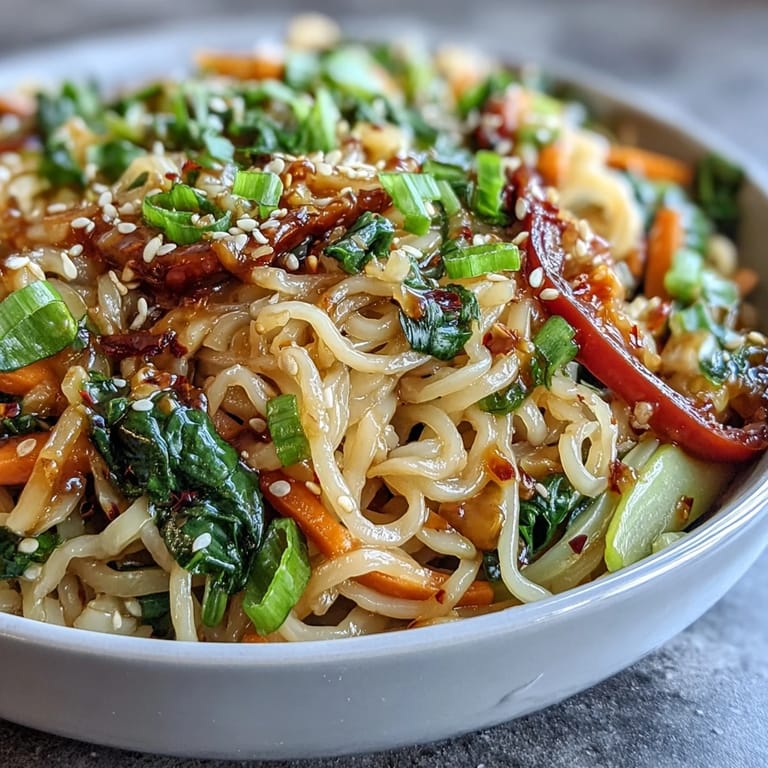
Save My neighbor stopped by one evening with a bag of shirataki noodles she'd picked up at the Asian market, convinced they were magic for staying energized without the afternoon crash. I was skeptical until I tossed them into a hot wok with whatever vegetables were lingering in my crisper drawer and this ginger sauce that just seemed to come together. Twenty minutes later, I understood what she meant—light, satisfying, and honestly, kind of addictive.
I made this for my sister when she was experimenting with cutting back on heavy meals, and she kept asking for the recipe between bites. The way the sauce clings to those noodles, with each vegetable staying crisp and bright—it felt like proof that eating well doesn't have to mean sacrificing anything enjoyable.
Ingredients
- Shirataki noodles (400 g, drained and rinsed): These little miracles are nearly carb-free and have a lovely, slightly chewy texture if you handle them right—the key is rinsing them thoroughly and not skipping the quick boil.
- Bok choy (1 cup, sliced): It wilts faster than you'd think and brings a subtle sweetness that balances the ginger heat beautifully.
- Red bell pepper (1/2, thinly sliced): The sweetness and color make this bowl feel more generous than it actually is.
- Snow peas (1/2 cup, trimmed): Leave them slightly snappy in texture—they're your textural contrast against the noodles.
- Carrot (1 medium, julienned): Cut thin so they cook fast and stay tender-crisp, adding natural sweetness to balance the savory sauce.
- Green onions (2, thinly sliced): Use both white and green parts; they add freshness and a gentle onion note without overpowering.
- Tamari or gluten-free soy sauce (2 tbsp): This is your umami backbone—don't skip it or water it down.
- Rice vinegar (1 tbsp): A touch of brightness that keeps the dish from feeling heavy.
- Toasted sesame oil (1 tbsp): The toasted kind is non-negotiable; it adds depth that regular sesame oil just can't match.
- Fresh ginger (1 tbsp, finely grated): This is where the magic happens—use a microplane for the finest texture and most concentrated flavor.
- Garlic clove (1, minced): Just one is enough; too much can overshadow the delicate ginger notes.
- Maple syrup (1 tsp, optional): A whisper of sweetness that rounds out the sauce without making it cloying.
- Chili flakes (1/2 tsp, optional): Add heat slowly; you can always sprinkle more at the table.
- Toasted sesame seeds (1 tbsp): These finish the dish with a nutty crunch and visual appeal.
- Fresh cilantro or basil leaves (optional): Either one lifts the entire bowl with herbaceous freshness.
Tired of Takeout? 🥡
Get 10 meals you can make faster than delivery arrives. Seriously.
One email. No spam. Unsubscribe anytime.
Instructions
- Rescue the shirataki noodles:
- Drain them from their package, rinse under cold running water until they stop smelling fishy, then drop them into a pot of boiling water for exactly 2 minutes. This quick blanch removes any remaining liquid and gives them a better texture. Drain in a colander and pat them dry with paper towels—this prevents them from clumping together later.
- Build your sauce:
- In a small bowl, whisk tamari, rice vinegar, sesame oil, ginger, garlic, maple syrup, and chili flakes together until emulsified. Taste it straight from the spoon—this is your moment to adjust the balance before anything hits the pan.
- Start with the hard vegetables:
- Heat a large skillet or wok over medium-high heat and add carrot, bell pepper, and snow peas all at once. Stir-fry for 2 to 3 minutes; you're aiming for that sweet spot where they're tender but still have a bite.
- Add the softer vegetables:
- Toss in bok choy and green onions and keep stirring for another 1 to 2 minutes. The bok choy will wilt quickly, and you want everything to look bright and vibrant, not steamed into submission.
- Bring it all together:
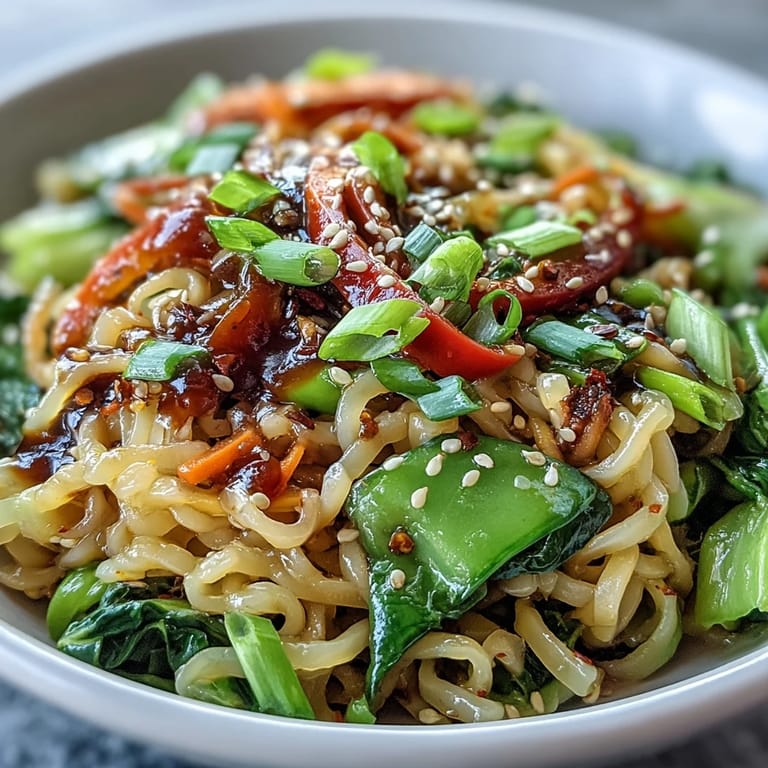
- Add the drained shirataki noodles to the pan, pour the sauce over everything, and toss constantly for 2 to 3 minutes until the noodles are heated through and coated in that glossy, fragrant sauce. This is when your kitchen will smell absolutely incredible.
- Plate and celebrate:
- Divide between bowls and top with toasted sesame seeds and fresh herbs if you have them on hand. Serve immediately while everything's still hot and the flavors are singing.
 Save
Save There's something deeply satisfying about watching someone taste this and realize that healthy eating can be this easy and delicious at the same time. It's become my go-to when I want to feel good without any of the martyrdom.
Making This Meal Your Own
This bowl is genuinely hard to mess up, which is part of its charm. Broccoli, mushrooms, snap peas, or even cabbage will all work beautifully in place of what's listed. The only rule is that whatever you choose should cook relatively quickly, so everything finishes at the same moment and your vegetables stay bright and snappy rather than turning into mush.
Protein Additions That Actually Work
On nights when I want more substance, I'll grill a block of tofu until it's golden and crispy, or add cooked shrimp that I toss in at the very end. Tempeh also works wonderfully if you slice it thin and give it a quick pan-fry first. The beauty is that none of these additions require you to change the sauce or timing—they just sit on top and turn this into a more complete meal.
The Little Details That Matter Most
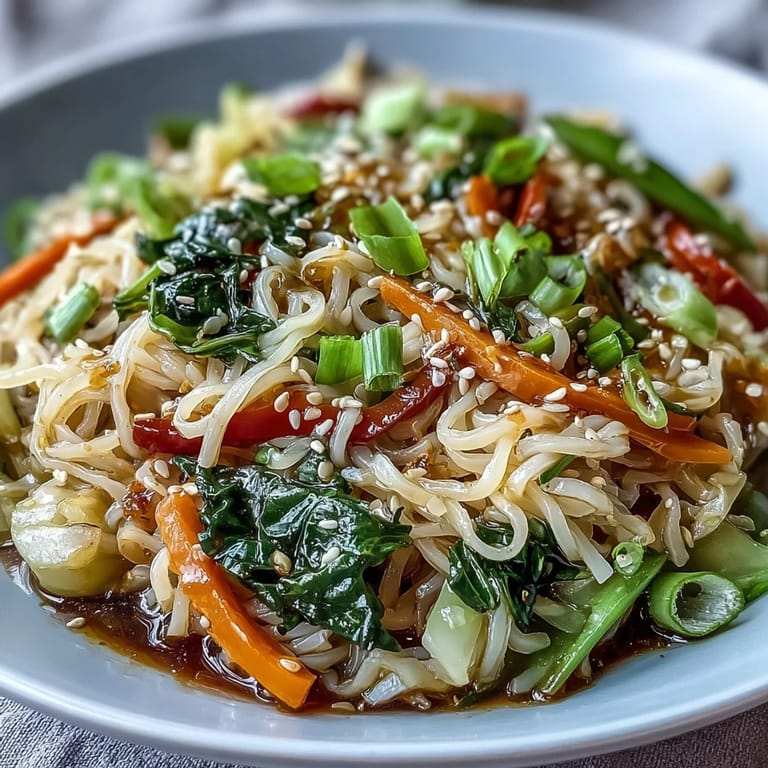
Texture is everything in a noodle bowl, so don't let the vegetables get soft and floppy—they should have presence and crunch even after cooking. The sauce should smell fragrant and warm but never acrid; if it starts to smell burnt, you've gone too far with the heat or left it sitting too long. A squeeze of fresh lime juice right before eating lifts everything and adds a brightness you won't expect.
- Keep your wok or skillet hot and your movements quick—this is one of those dishes that rewards energy and speed.
- Taste the sauce before adding noodles and vegetables so you know exactly what you're working with.
- Serve immediately; shirataki noodles don't sit around well and are best enjoyed hot and freshly tossed.
 Save
Save This bowl proves that eating light doesn't mean eating boring, and that weeknight dinners can be both quick and genuinely nourishing. Make it once and you'll find yourself making it again.
Recipe FAQs
- → What do shirataki noodles taste like?
Shirataki noodles have a neutral, mild flavor that absorbs the tastes of sauces and seasonings. Their texture is gelatinous and slightly chewy, similar to glass noodles. The key is rinsing and boiling them well before adding to your bowl.
- → Can I use regular soy sauce instead of tamari?
Yes, regular soy sauce works as a substitute for tamari. Keep in mind this will change the dish from gluten-free to containing gluten, so adjust according to your dietary needs.
- → How can I add more protein to this bowl?
Grilled tofu, tempeh, or edamame make excellent plant-based protein additions. For non-vegan options, cooked shrimp, shredded chicken, or even a poached egg work beautifully with the Asian flavors.
- → Can I prepare this bowl ahead of time?
The vegetables can be sliced in advance and stored in the refrigerator. The sauce keeps well for several days in a sealed container. Cook everything just before serving to maintain the crisp-tender texture of the vegetables.
- → What other vegetables work in this bowl?
Broccoli florets, sliced mushrooms, snap peas, shredded cabbage, or spinach all substitute beautifully. Use whatever fresh Asian vegetables you have available for a flexible, customizable bowl.
- → Is this dish spicy?
The base dish has mild heat from garlic and ginger. Add chili flakes if you prefer more spice, or leave them out for a completely mild version everyone can enjoy.