 Save
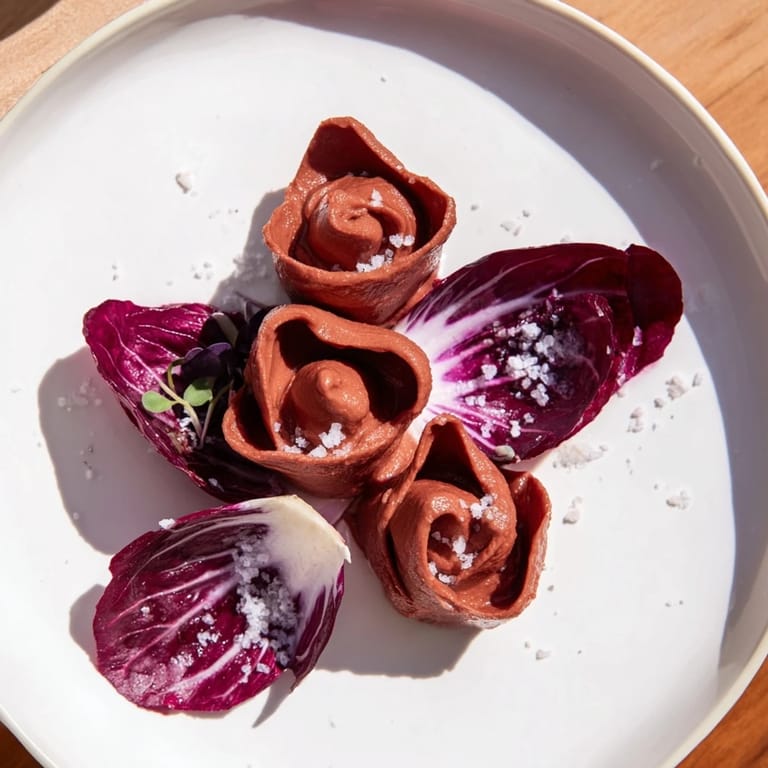
Save I discovered The Velvet Rose while experimenting with ways to make hummus feel less like a dip and more like an edible centerpiece. The beet came from a farmers market haul where I was determined to use every root vegetable without waste, and something about the deep crimson color made me want to create something that looked as dramatic as it tasted. That's when piping it into rose shapes happened almost by accident, as I was playing with a star tip and suddenly saw petals forming on the plate. What started as kitchen tinkering became my go-to appetizer for impressing guests who expect something predictable but find themselves captivated by something entirely different.
I made this for my partner's colleagues last spring, and I watched someone take a bite expecting something delicate and instead experience this deep, savory umami moment from the tahini and cumin playing against the beet's natural sweetness. They went back for thirds while other people were still on their first piece, which told me everything about whether this dish actually worked. The radicchio leaves became the perfect vehicle for that creamy richness, and by the end of the night, people were asking if I catered the event.
Ingredients
- Large beet: Choose one that's roughly the size of your fist so it roasts evenly; smaller beets cook faster but larger ones develop deeper color and flavor, and the size matters more than you'd think.
- Canned chickpeas: Drain and rinse them well, because the canning liquid is salty and you want control over the final seasoning.
- Tahini: This is what transforms the hummus from thin to creamy, and it adds a subtle nuttiness that beets actually crave.
- Extra-virgin olive oil: Use something you'd actually taste on its own, because it's not buried in this recipe.
- Garlic clove: Just one small one, because roasted beet is bold enough and needs a light touch of garlic, not drowning in it.
- Lemon juice: Fresh lemon is non-negotiable here; bottled juice tastes flat against the beet's earthiness.
- Ground cumin: This spice bridges the gap between Mediterranean and earthy, adding warmth without heat.
- Salt and pepper: Taste constantly because beets are naturally sweet and can hide salt, so you need more than you might expect.
- Cold water: Add it gradually to get the texture right, because hummus is about that luxurious, spoonable consistency.
- Radicchio leaves: These bitter leaves cut through the hummus's richness and act as both plate and utensil.
- Flaky sea salt: The finishing touch that makes this feel intentional and elegant.
- Microgreens or edible petals: Optional but they genuinely transform the visual from pretty to stunning.
Tired of Takeout? 🥡
Get 10 meals you can make faster than delivery arrives. Seriously.
One email. No spam. Unsubscribe anytime.
Instructions
- Roast the beet until it smells deeply sweet:
- Wrap it tightly in foil and slide it into a 400°F oven for 40 to 45 minutes until a fork slides through the center with almost no resistance. The skin should be papery and ready to shed, and your kitchen will smell like concentrated earthiness.
- Blend everything into silk:
- Drop the cooled beet chunks into your food processor along with the chickpeas, tahini, olive oil, garlic, lemon juice, cumin, salt, and pepper, then blend until completely smooth, stopping to scrape the bowl halfway through. You're looking for a texture that looks almost velvet, with no visible beet chunks remaining.
- Let water do the final magic:
- Add cold water one tablespoon at a time while the processor is running, tasting between additions until the hummus tastes perfectly seasoned and feels creamy enough to spoon beautifully. This step prevents the heavy-handed error of making it too thin.
- Create your rose garden:
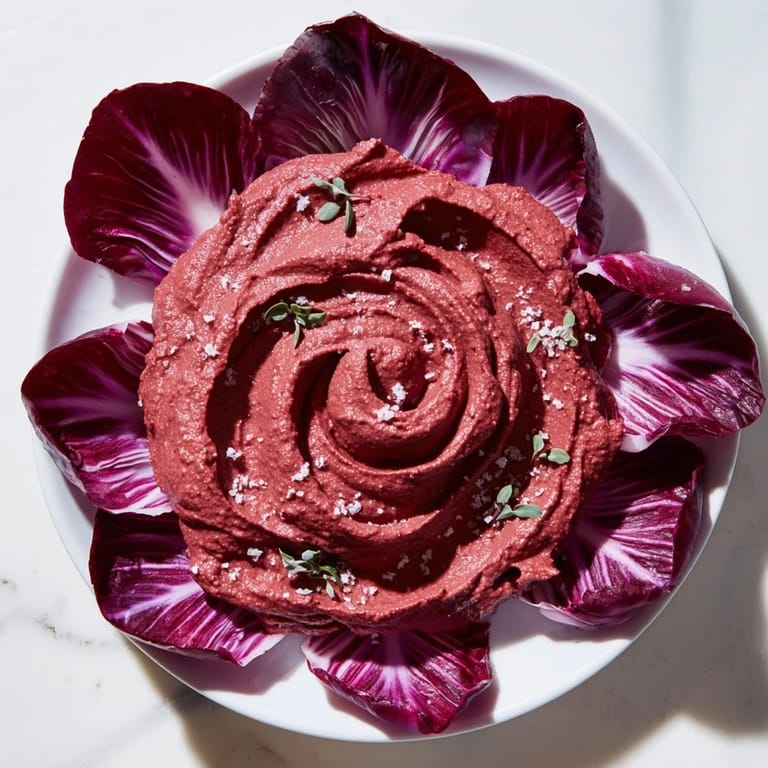
- Transfer the hummus to a piping bag fitted with a large star tip and pipe it in tight spirals on your serving plate, starting from the center of each rose and working outward. If you don't have a piping bag, a spoon works fine, though it loses some of that sculptural moment.
- Build the petals around the roses:
- Arrange radicchio leaves in loose circles around each hummus rose so they look like they're cradling the shape. The deep burgundy leaves against the beet hummus creates a color moment that's genuinely striking.
- Finish with intention:
- Drizzle everything with olive oil so it glistens, scatter sea salt crystals across the top, and if you're using them, place a few microgreens or edible petals in the center of each rose. Serve immediately so the hummus is still cool and the radicchio is still crisp.
 Save
Save I learned the power of this dish when my very traditional uncle, who thinks anything modern is suspicious, asked for the recipe after eating it. That moment when someone's guard drops around food and they just want to understand what made their mouth happy, that's when you know you've made something that matters.
Why Beet Hummus Changes Everything
Chickpea hummus gets made in every kitchen that owns a food processor, but beet hummus feels fresh because the vegetable adds earthiness that chickpeas alone can't reach, plus natural color that makes people pause before tasting. The beet also brings a subtle sweetness that keeps the hummus from tasting one-note, and it bridges flavors in a way that makes the cumin and lemon feel intentional rather than obvious. I've served this to people who swear they don't like beets, and they eat half the plate before realizing what changed their mind.
The Art of Plating Like You Mean It
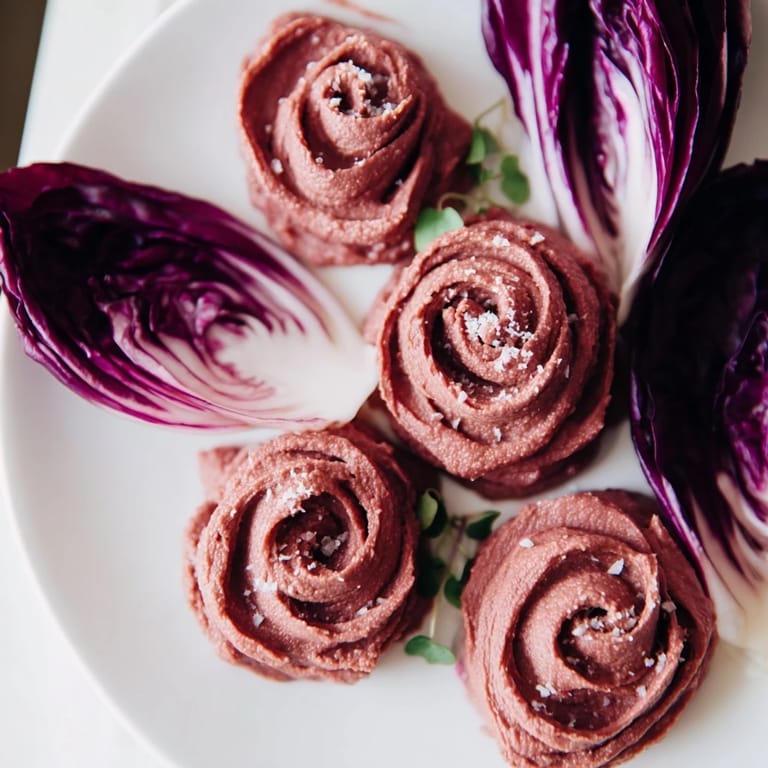
Piping takes 90 seconds and transforms the entire energy of the dish from casual dip to intentional appetizer, which matters when you're trying to set the mood for a gathering. The rose shape isn't just decoration; it makes the hummus feel like something you've given thought to, and that feeling is actually delicious. I've watched people hesitate before eating because the plate looked too pretty, then dive in because the smell of beet and lemon won that battle.
Serving Suggestions and Flexibility
Radicchio leaves are perfect with this hummus because their bitterness cuts through the richness, but endive works beautifully too if you prefer something less intense, and even sturdy pita chips work if you want to lean into comfort. The hummus itself stays stable for a few hours at room temperature, though it tastes cleanest if served cool or slightly chilled. Think of this as a template: the hummus is the star, and whatever you serve it with is just the opening act for flavor.
- Make the hummus up to 24 hours ahead and store it in an airtight container in the refrigerator.
- If you're worried about piping, practice with a spoon on a plate before committing to the piping bag.
- Extra hummus keeps for five days refrigerated and works beautifully as a lunch bowl base with roasted vegetables.
 Save
Save This dish proved to me that appetizers don't need to be complicated to be memorable, just intentional. When you serve something that looks like you cared and tastes like you understand flavor, people remember that.
Recipe FAQs
- → How do you achieve the rose shapes with the beet hummus?
Using a spoon or a piping bag fitted with a large star tip, swirl the smooth beet hummus onto the plate in circular motions to mimic rose petals.
- → What is the purpose of roasting the beets before blending?
Roasting the beets softens them and intensifies their natural sweetness, which enhances the creamy texture and rich flavor of the hummus.
- → Can radicchio be substituted with other greens?
Yes, endive or Belgian endive make excellent alternatives that provide a similar crisp and slightly bitter contrast.
- → How can I adjust the hummus consistency if it’s too thick?
Add cold water gradually while blending until the desired creamy and smooth texture is achieved.
- → What garnishes complement this dish well?
Microgreens, edible flower petals, or a light sprinkle of flaky sea salt enhance the presentation and add fresh, delicate flavors.