 Save
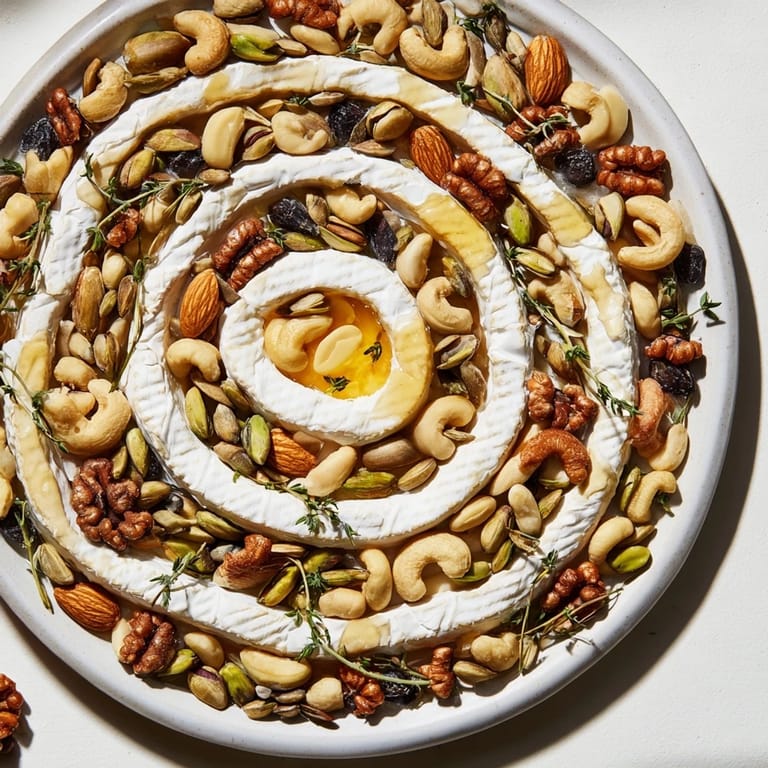
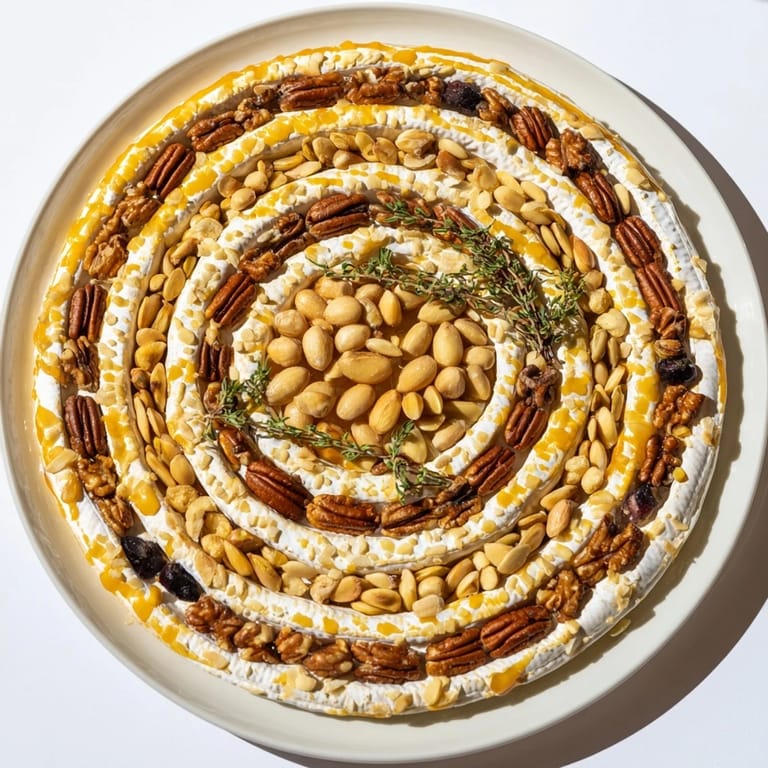
Save The first time I arranged nuts and seeds into a winding pattern, I was nervous about whether it would actually work—whether something so playful could survive on a table at a dinner party. But the moment guests arrived and started following that spiral with their fingers, I realized I'd created something that made eating feel like an adventure. The Labyrinth isn't just an appetizer; it's an invitation to slow down and follow a path to something delicious.
I made this for a friend's birthday gathering on an unseasonably warm October afternoon, and what started as a simple cheese board turned into people gathered around it like it was a campfire, laughing and navigating the maze together. That's when I knew this dish was about more than the flavors—it was about bringing people into the same moment, making them playful again.
Ingredients
- Raw almonds (40 g): They provide a subtle, slightly sweet foundation and hold their shape beautifully through the evening.
- Roasted cashews (40 g): These are your buttery anchors—they catch the light and give richness without overwhelming the path.
- Pistachios (40 g, shelled): The pops of green make the labyrinth visually magnetic and add a mild, delicate flavor.
- Pecan halves (40 g): Their deeper color creates shadows in the spiral, and they're the heartiest nut here.
- Hazelnuts (40 g): These round out the nut section with earthiness and a slightly different texture.
- Pumpkin seeds (30 g): They bring crunch and a subtle nuttiness that keeps people coming back.
- Sunflower seeds (30 g): These are your brighteners—literally and figuratively—scattering light through the design.
- Black sesame seeds (20 g): I learned to use these sparingly; they're intense and create dramatic lines in the maze.
- White sesame seeds (20 g): They're the contrast that makes the black ones pop, so don't skip them.
- Flaxseeds (20 g): These add a subtle texture and catch in unexpected ways as light hits the board.
- Soft-ripened cheese wheel (180 g): This is the prize at the center—choose Brie, Camembert, or a quality vegan alternative that's at room temperature before serving.
- Dried cranberries or cherries (2 tbsp, optional): They fill gaps with bursts of color and tartness if you want to add complexity.
- Fresh herbs (2 tbsp, optional): Thyme or rosemary scattered over the cheese add aromatic intrigue.
- Honey or agave (1 tbsp, optional): A light drizzle right before serving catches light and adds a touch of sweetness.
Tired of Takeout? 🥡
Get 10 meals you can make faster than delivery arrives. Seriously.
One email. No spam. Unsubscribe anytime.
Instructions
- Prepare your stage:
- Set your large platter or board in front of you and, if you're nervous about getting the pattern right, lightly sketch a winding labyrinth path with a pencil—think of it spiraling from the outside edge toward the center. Don't overthink it; gentle, loose lines are more forgiving than trying to be perfect.
- Begin the spiral:
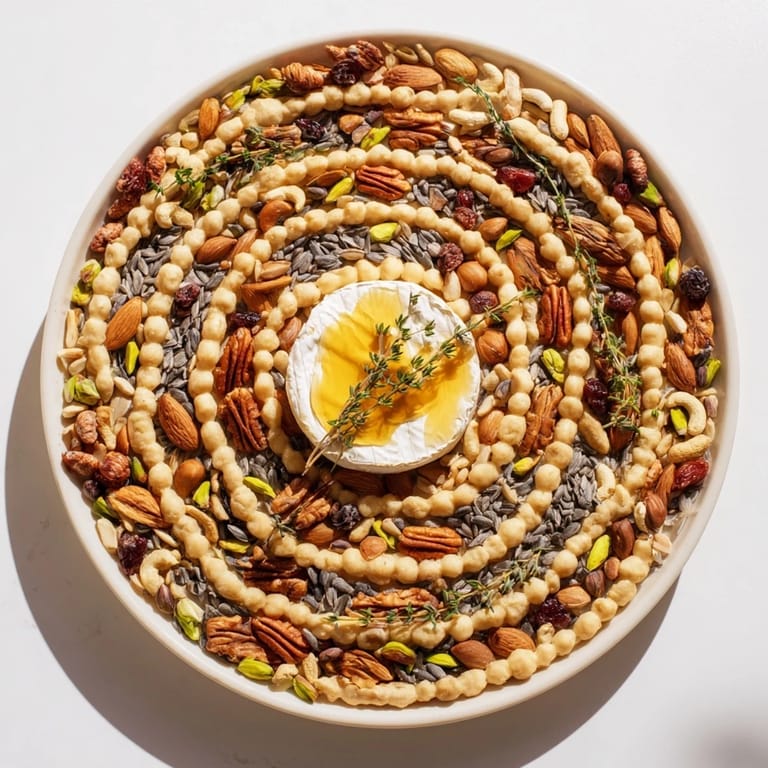
- Start laying out your nuts and seeds in single-file lines along your path, alternating types as you go. One line of almonds, then cashews, then pistachios—the variety is what makes it mesmerizing.
- Build momentum toward the center:
- As you spiral inward, keep alternating to maintain visual rhythm and texture contrast. Step back occasionally to see if the pattern feels balanced or if you need to adjust spacing.
- Crown the center:
- Place your cheese wheel at the very heart of the labyrinth—this is the reward for following the path. Make sure it's soft enough to spread but still holds its shape.
- Add the finishing touches:
- Scatter fresh herbs around or directly on the cheese, drizzle with honey if you're using it, and tuck dried fruit into any small gaps. The board should feel generous and inviting.
- Serve with intention:
- Provide small forks or cocktail picks and invite guests to follow the maze to the cheese. Let them know they can break the line whenever they want—it's more about the journey than the rules.
 Save
Save What stuck with me most was watching my quietest friend navigate the maze slowly, genuinely considering each turn, and then smile when she reached the center and took a bite. Food can be fuel, but when it makes someone pause and engage, that's when it becomes memory.
Why This Works on Any Table
The Labyrinth works because it addresses what people actually want from appetizers: something to do with their hands, something beautiful to look at, and something that tastes good. Unlike a traditional cheese board where everything sits in neat sections, this one tells a story and creates a shared experience. It breaks the ice at awkward parties and makes comfortable gatherings feel extra special.
Flexibility and Swaps
Don't feel locked into these exact nuts and seeds—allergies and preferences vary, so swap freely. Walnuts can replace pecans, hemp seeds can stand in for flax, and if someone's avoiding tree nuts entirely, you can build an entirely seed-based maze that's just as stunning. The vegan cheese option makes this accessible too, so everyone at your table can reach the center.
The Art of the Presentation
The magic of this dish lives in its presentation, so take your time arranging it. Good lighting matters—serve it near a window or under warm overhead light so the colors and textures shine. The board should feel thoughtfully composed, not rushed or chaotic. When you step back and see the full spiral for the first time, you'll understand why guests lean in immediately.
- If you're making this more than an hour before serving, cover loosely with plastic wrap so dust doesn't settle on it.
- Add crackers around the outer edge if you want to give guests something sturdier to scoop with alongside the cheese.
- A bottle of light white wine or sparkling cider nearby signals that this is an occasion worth lingering over.
 Save
Save This appetizer works because it treats your guests with creativity and respect, offering them something that engages their senses and their imagination. Make it, watch people follow the path, and see what happens.
Recipe FAQs
- → What nuts and seeds are best for creating the labyrinth?
Mix a variety of raw and roasted nuts like almonds, cashews, pistachios, pecans, and hazelnuts with seeds such as pumpkin, sunflower, black and white sesame, and flaxseeds for texture and color contrast.
- → How do I assemble the labyrinth on the platter?
Lightly sketch a winding path with a pencil on the board, then arrange lines of nuts and seeds alternating types and colors, spiraling toward the center where the cheese is placed.
- → Which types of cheese complement the nuts and seeds best?
Soft-ripened cheeses like Brie or Camembert offer rich creaminess that pairs beautifully, but plant-based alternatives also work well for vegan options.
- → Can I customize the platter according to dietary preferences?
Yes, swapping nuts or seeds to suit allergies and choosing vegan cheese options make it adaptable for vegetarians and gluten-free diets if gluten-free ingredients are selected.
- → What garnishes enhance the flavors of this dish?
Fresh herbs such as thyme or rosemary and a drizzle of honey or agave provide aromatic and sweet notes that elevate the nut and cheese combination.
- → How should this appetizer be served to guests?
Offer small forks or cocktail picks alongside the platter, inviting guests to navigate the nut and seed maze to reach the cheese center, encouraging interactive enjoyment.