 Save
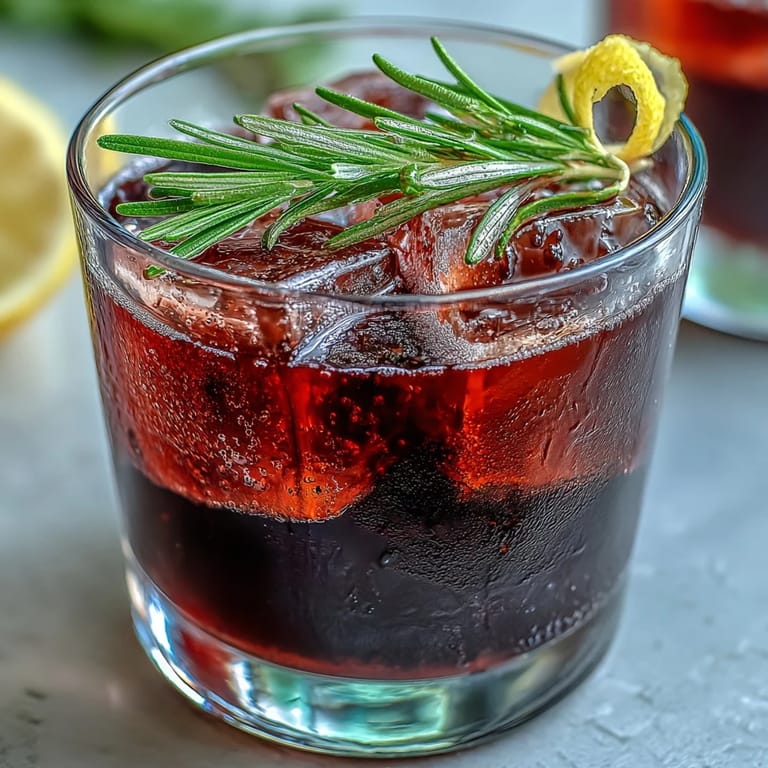
Save A friend handed me a glass one autumn evening, dark as twilight and smelling faintly of pine forests and something tartly elegant I couldn't quite name. She'd been experimenting with what she called her "moody cocktails"—drinks that matched the season, the mood, the moment. This one, she explained, was black currant and rosemary, bourbon and citrus. I took a sip and understood immediately why she'd been tinkering with it for weeks. It wasn't just a drink; it felt like a conversation between autumn and sophistication.
I made this for a dinner party on a chilly November night, and watched people's faces shift when they tasted it—that moment when expectations dissolve and they realize this isn't what they were prepared for, in the best way. Someone asked if I'd made the liqueur myself, which I hadn't, but the question made me feel like a proper bartender for the first time. The rosemary sprig became a talking point, practical and beautiful at once.
Ingredients
- Barrel-aged bourbon (2 oz): This is where the drink gets its backbone and warmth; the aging rounds out the spirits and keeps everything feeling intentional rather than sharp.
- Black currant liqueur (1 oz): Look for crème de cassis or a quality black currant liqueur—this is the soul of the cocktail, providing that dark fruit tartness that makes people pause and notice.
- Freshly squeezed lemon juice (0.75 oz): Fresh is non-negotiable here; bottled juice tastes tired by comparison and dulls the brightness you're building.
- Simple syrup (0.5 oz): This balances the tart and the strong, so don't skip it or reduce it thinking you'll prefer it drier—the proportions matter.
- Rosemary sprig (1 small, plus garnish): The magic ingredient that nobody expects; it transforms this from a fruit cocktail into something herbaceous and contemplative.
- Ice cubes: Use fresh, clear ice if you can; cloudy ice melts faster and dilutes the drink unevenly, which you'll notice by the second sip.
- Black currants or lemon twist (optional garnish): A few black currants floating on top add both visual drama and a little tart pop when you reach them, but a simple lemon twist works beautifully too.
Tired of Takeout? 🥡
Get 10 meals you can make faster than delivery arrives. Seriously.
One email. No spam. Unsubscribe anytime.
Instructions
- Wake up the rosemary:
- Cup the small sprig between your palms and clap it gently once or twice—you'll smell the oils immediately, sharp and green and inviting. This small gesture changes everything, releasing the aromatic compounds that will weave through the entire drink.
- Build your base:
- Drop the rosemary into your cocktail shaker first, then add the bourbon, black currant liqueur, lemon juice, and simple syrup in whatever order feels natural. The rosemary will steep slightly while you prepare the ice, deepening its presence.
- Shake with intention:
- Fill the shaker with fresh ice and shake hard for exactly 15 seconds—this isn't a gentle stir, it's a vigorous shake that chills everything deeply and aerates the mixture into something silky. You'll hear the ice rattling and feel the shaker getting cold in your hands.
- Strain into elegance:
- Using a double strainer (one built into your shaker cap, one handheld), pour into a rocks glass filled with fresh, cold ice. Double straining removes any tiny ice shards or rosemary fragments, leaving only clarity.
- Finish with intention:
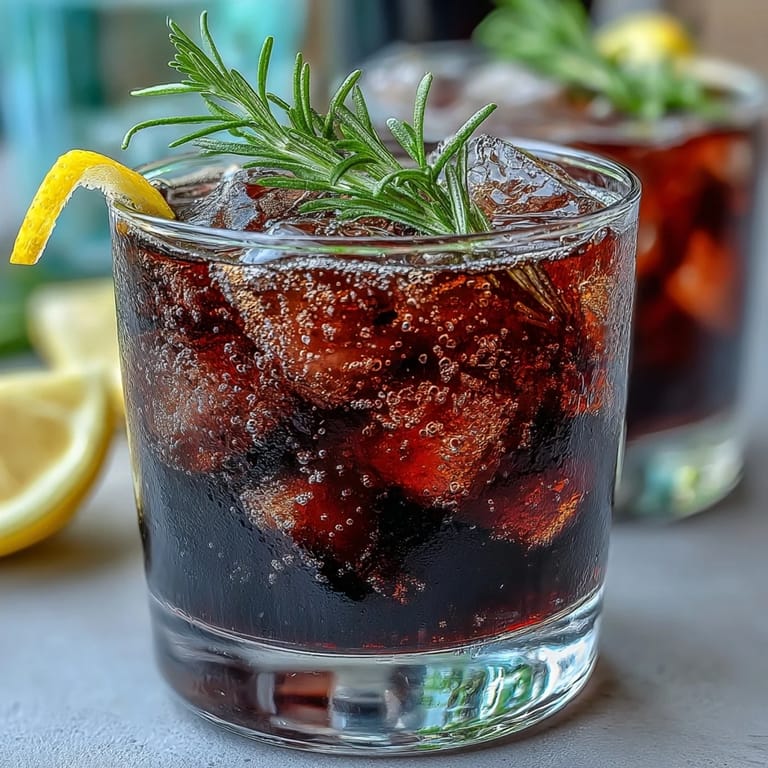
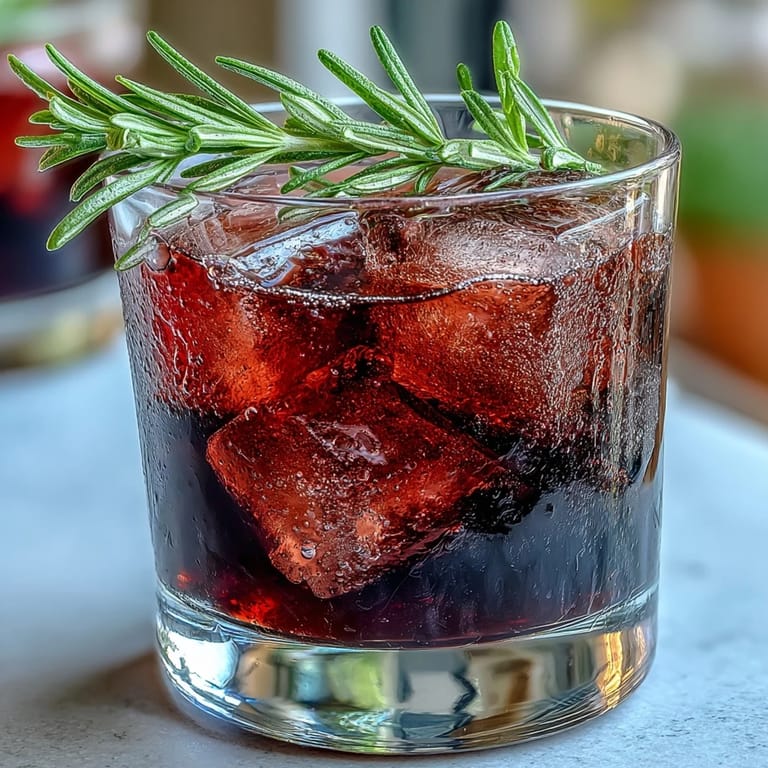
- Tuck a fresh rosemary sprig into the glass and, if you're feeling it, float a few black currants on top or perch a lemon twist on the rim. This is the garnish that makes someone pick up the glass and know they're about to experience something.
 Save
Save Months later, I made this again for myself on an evening when I needed something to think about while thinking about other things. There's something grounding about a well-made cocktail, the ritual of it, the care required. By the final sip, the rosemary had mellowed into the background, and the bourbon had softened into warmth, and I understood why my friend had kept tinkering with it.
The Rosemary Question
People often ask if they can skip the rosemary or swap it for something "less weird." Don't. The rosemary is exactly what makes this cocktail feel grown-up and unexpected, the herbal note that prevents it from tasting like fruit juice and bourbon, which is, frankly, what lesser versions taste like. If you're nervous about it, taste the drink before adding the garnish sprig and you'll understand why it's there.
When to Make This
This is the cocktail for autumn evenings, for transitions, for when you want something that tastes like it took effort but didn't require hours. It pairs beautifully with aged cheeses, smoked meats, or just a quiet moment before dinner. The tartness and the warmth make it work whether you're celebrating something or simply acknowledging that the season has changed and you're ready for it.
Variations Worth Trying
Once you've made this as written, you might feel brave enough to play with it. Some variations feel natural, others feel like you're trying too hard. The ones that work tend to honor the original balance of fruit, spirit, and herb rather than obscuring it.
- For a lighter version, top with a splash of sparkling water or tonic water, which stretches the drink and adds brightness without compromising the flavor profile.
- If black currant liqueur is genuinely unavailable, make a simple black currant syrup by simmering equal parts black currants and sugar with water, then strain and cool it—homemade always tastes more intentional.
- Try a different herb if you must, but thyme is really the only one that feels similarly appropriate; anything brighter or more citrusy will fight with the lemon.
 Save
Save Make this cocktail for someone you want to impress, or make it for yourself on a night when you deserve something that tastes like it was made with care. Either way, it's the kind of drink that makes people ask for the recipe and then actually make it at home.
Recipe FAQs
- → What does black currant taste like in cocktails?
Black currant brings a deep, tart flavor with subtle berry sweetness. It pairs exceptionally well with whiskey, adding complexity and fruit-forward notes that balance the spirit's natural warmth.
- → Can I make this without a cocktail shaker?
Yes—stir all ingredients in a mixing glass with ice until well-chilled, then strain into your serving glass. The drink will still taste delicious, though slightly less frothy than shaken versions.
- → What's the purpose of clapping the rosemary?
Gently clapping the rosemary sprig between your palms releases the herb's essential oils, maximizing its aromatic contribution to the drink. This simple technique intensifies the fragrant rosemary finish.
- → Can I substitute the bourbon?
Rye whiskey works beautifully if you prefer spicier notes. For a non-alcoholic version, replace bourbon with non-alcoholic whiskey alternative and adjust liqueur to taste with black currant syrup.
- → How do I make homemade black currant syrup?
Simmer equal parts sugar and water with fresh or frozen black currants until berries burst. Strain through cheesecloth and refrigerate for up to two weeks. Use in place of liqueur for a lighter, less alcoholic variation.