 Save
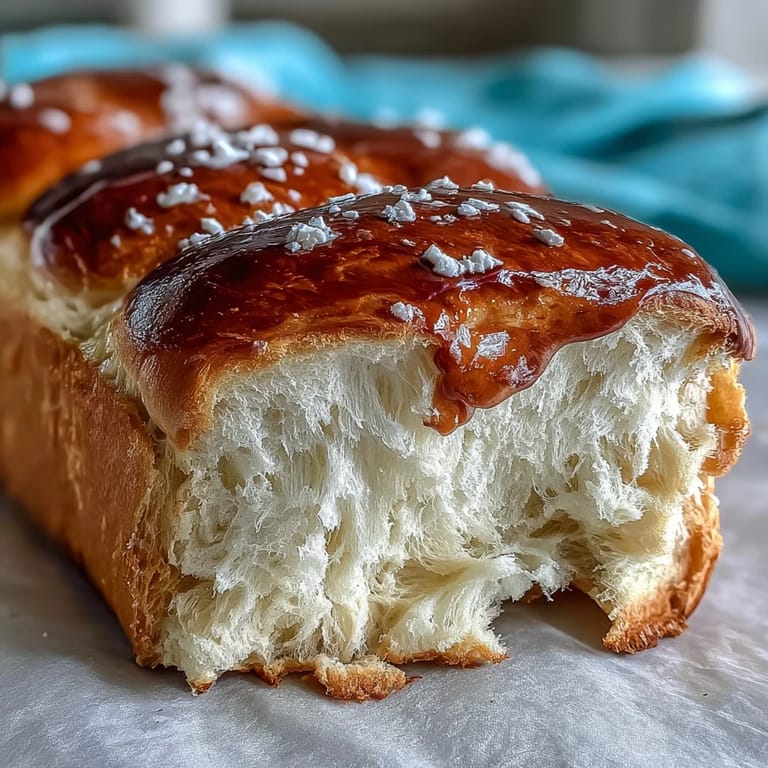
Save The first time I realized how addictive homemade bread could be, it was the sound of the crust crackling as it cooled on the counter that hooked me. There&aposs something quietly dramatic about watching dough transform in the oven, and Japanese Milk Bread, with its cloud-like interior, proved this in the best way. The promise of pillowy softness felt almost too good to believe until that initial warm slice practically melted in my mouth. These days, every time I set out flour and milk for Tangzhong, it feels more like summoning sunshine than just baking.
I still remember a rainy Sunday when friends wandered in unexpectedly—caught off guard by the smell, they hovered by the oven, pretending not to be waiting for warm slices. That afternoon turned into an impromptu brunch, with each slice vanishing beneath homemade jam and laughter. Having people ask for seconds without hesitation made those extra stretches of kneading absolutely worth it.
Ingredients
- Bread flour: Higher protein gives incredible chew and helps the bread rise tall; I always measure carefully for consistency.
- Whole milk: Makes every slice rich and helps the crust turn golden brown; I warm it just to body temperature for happy yeast.
- Instant yeast: Reliable and fuss-free—just mix it in with the flour (no proofing needed) for an even rise every time.
- Sugar: Just enough for a gentle sweetness; if you prefer less sweet bread, reduce by a teaspoon.
- Sea salt: Rounds out the flavor and keeps the bread from being bland; flaky salt on top is lovely, too.
- Egg: Adds richness and a pretty color to the crumb; crack straight into the bowl with confidence.
- Butter: Softened, never melted; incorporating gradually is key for a silky, stretchy dough.
- Tangzhong (flour, water, milk): The secret weapon for that famously feathery texture; cook it slowly, stirring constantly until thickened.
- Milk for brushing: Gives the baked loaf a gentle sheen and extra softness; I use a pastry brush for even coverage.
Tired of Takeout? 🥡
Get 10 meals you can make faster than delivery arrives. Seriously.
One email. No spam. Unsubscribe anytime.
Instructions
- Start Your Tangzhong:
- Whisk bread flour, water, and milk in a small saucepan over medium heat, stirring continuously as it thickens into a smooth paste—watch for silky bubbles, then pull it off before it clumps.
- Mix the Dough:
- Combine flour, sugar, salt, and yeast in a bowl, then add milk, cooled Tangzhong, and the egg; stir just until a shaggy dough comes together, feeling the mixture grow sticky under your spoon.
- Knead to Shine:
- Drop in chunks of softened butter and knead by hand or hook for 10-15 minutes—the dough should feel elastic and smooth but barely tacky, like cool satin between your fingers.
- Let It Rise:
- Lightly grease your bowl, tuck the dough inside, and cover; give it an hour somewhere cozy, watching as it swells and softens under your touch.
- Shape & Roll:
- Punch down the dough and divide it into three; give each piece a gentle rectangle shape, fold the edges in, and roll into logs, then nestle them snugly side by side in a greased loaf pan.
- Second Proof:
- Cover again and leave until the dough nearly peeks over the pan rim—this is when the kitchen smells warm, buttery, and alive.
- Bake to Golden:
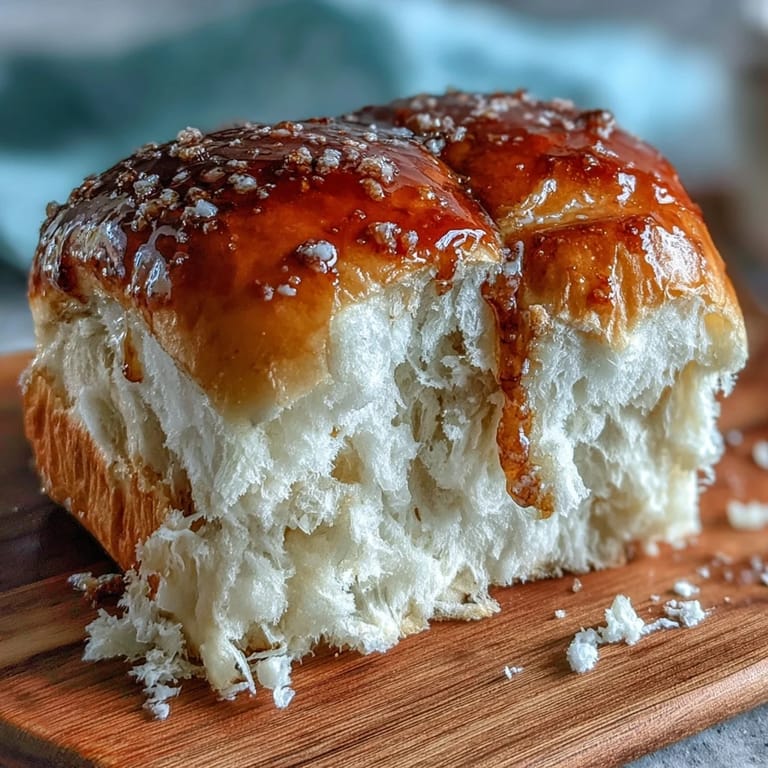
- Brush the loaf with milk, slip it into a preheated 350°F oven, and bake for 28-32 minutes; you want a bronzed, hollow sound when gently tapped.
- Cool with Patience:
- Let the bread cool in the tin for 10 minutes, then lift to a rack—resist slicing right away, even though the aroma tempts you.
 Save
Save 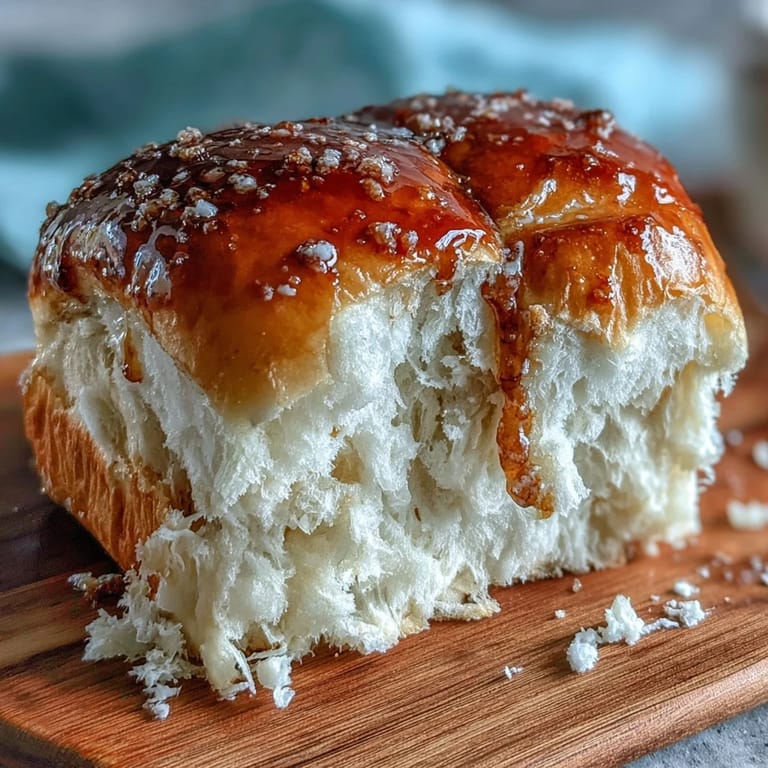 Save
Save One slice, torn straight from the loaf, pairs best with the quiet hum of the morning or a friend who will happily eat the heel. It&aposs the kind of bread that manages to turn the simplest moments into something to look forward to again and again.
Making the Most of Tangzhong
Cooking Tangzhong gently until it thickens but doesn&apost scorch is the key to that signature lightness. I once wandered away for a minute—only to return to a scorched pot and a kitchen full of laughter over my frantic rescue attempts. Now, I keep the whisk in hand and enjoy the transformation as it happens.
How to Knead Without Fear
If you&aposre new to kneading, don&apost worry about perfection—just push, fold, and let your hands get a little messy. The stickiness fades as the dough develops, and you quickly learn to notice when it becomes smooth and unified. Listening for the gentle slap on the counter tells you you&aposre nearly there.
Ensuring Bakery-Soft Slices at Home
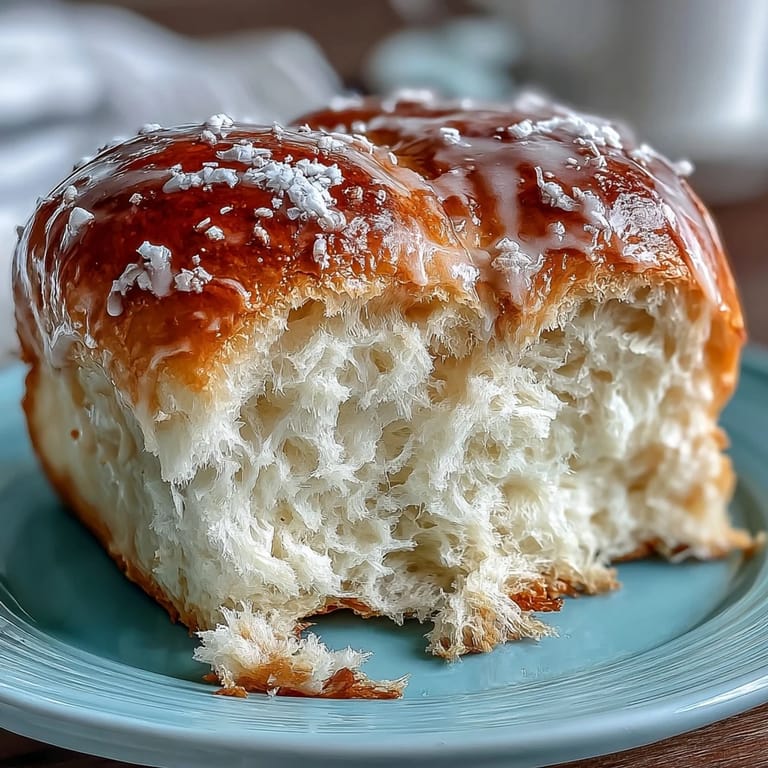
I found that covering cooled loaf slices with a clean towel as they finish cooling keeps their softness—all thanks to a tip I picked up from a fellow night owl baker. Storing leftovers in an airtight container extends the magic into toasted breakfasts and late-night snacks.
- If you love extra-soft bread, swap in a splash of heavy cream for some of the milk.
- Be patient with cooling before slicing, or you might squish the airy crumb.
- Don&apost forget to enjoy a slice warm, maybe with a dab of jam—it&aposs incomparable.
 Save
Save 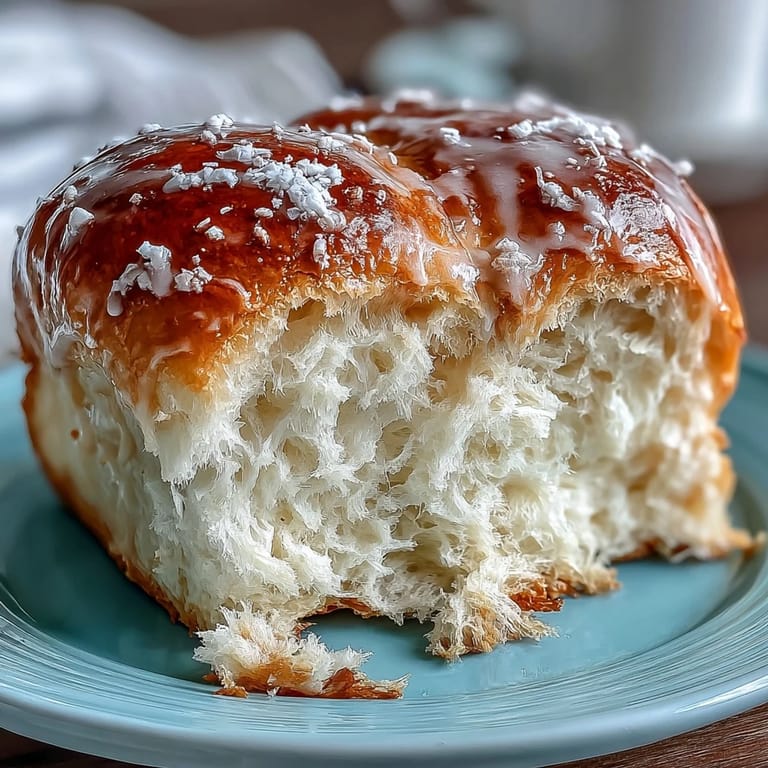 Save
Save This bread is a little gift to yourself, and sharing it only multiplies the joy. Here&aposs to pillowy slices, warm kitchens, and baking that feels as soothing as it is delicious.
Recipe FAQs
- → What is Tangzhong and why use it?
Tangzhong is a cooked flour-and-liquid starter that gelatinizes starches. It locks in moisture, yielding a softer crumb and longer freshness without adding extra fat.
- → How can I tell when the dough is properly kneaded?
The dough should be smooth, elastic and slightly tacky but not sticky. It will pass a gentle windowpane test when stretched thin without tearing.
- → Can I substitute all-purpose flour for bread flour?
All-purpose flour will work but the loaf may be less chewy and airy. For best structure and rise use bread flour or a blend with higher protein.
- → What causes a dense loaf and how do I avoid it?
Dense loaves usually come from underproofing, insufficient kneading, or too-hot liquid killing the yeast. Ensure proper rises and knead until elastic.
- → How do I get a shiny, golden top?
Brush the loaf with a little milk before baking for a subtle sheen. For a deeper gloss use an egg wash, keeping in mind it will change the surface color and flavor.
- → How should I store and slice the loaf?
Cool completely before slicing to prevent crumbs and collapse. Store in an airtight container at room temperature for a few days or freeze slices for longer storage.