 Save
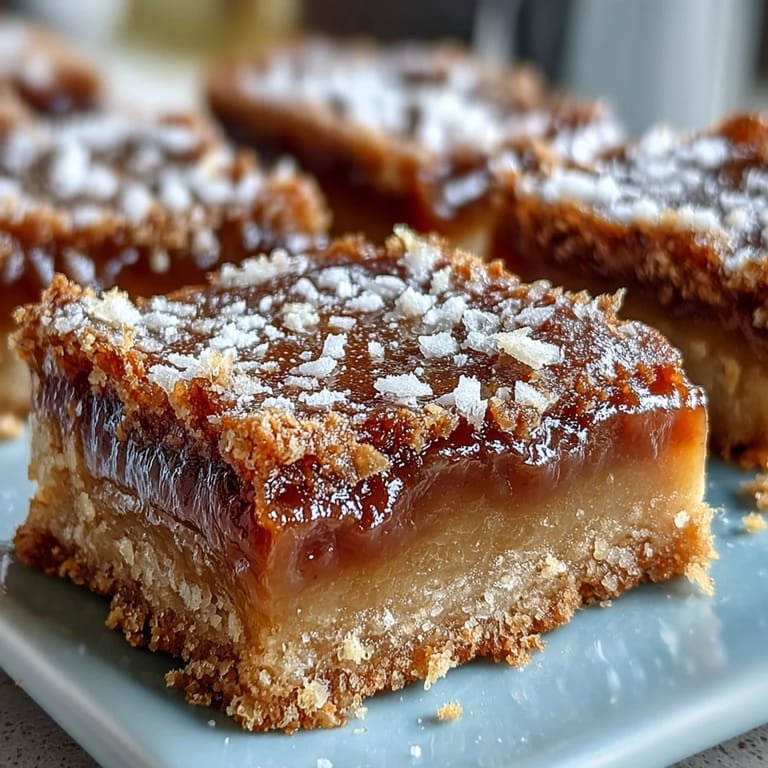
Save My neighbor brought over a tin of these bars last autumn, still warm from her kitchen, and I was immediately captivated by how the Earl Grey tea seemed to whisper beneath the bright lemon and tropical guava. I spent the next week trying to recreate that perfect balance, burning one batch and oversweetening another before finally understanding how these three flavors needed to dance together. There's something magical about how a cup of afternoon tea inspired a dessert that tastes like a conversation between elegance and comfort, and now I find myself making them whenever I want to impress someone or simply remind myself that baking can be an adventure.
I brought a batch to my book club last winter, and someone actually asked for the recipe before even finishing the first bar. What struck me most was watching everyone's expression shift when the tartness of lemon met the floral notes of the tea and then that unexpected tropical sweetness appeared. It reminded me that the best desserts don't just taste good, they create moments where people feel genuinely delighted.
Ingredients
- Unsalted butter: Use the real thing and make sure it's softened, because this affects how light and flaky your crust becomes.
- All-purpose flour: Measure by spooning and leveling, not scooping straight from the bag, otherwise you'll end up with a dense, disappointing crust.
- Earl Grey tea bags: Buy decent quality tea since you're infusing it directly into the dough and filling, and the flavor really matters.
- Guava paste: Find this in the international aisle or specialty sections, and know that a little goes a long way.
- Fresh lemon juice: Never use the bottled stuff here because the brightness is essential to balance the sweetness and floral notes.
- Lemon zest: A microplane makes this task so much easier, and the oils in fresh zest add complexity that ground zest never quite captures.
- Eggs: Bring them to room temperature so they incorporate smoothly and create a tender filling.
- Powdered sugar: Save this for the very last moment right before serving, or it'll dissolve into the surface.
Tired of Takeout? 🥡
Get 10 meals you can make faster than delivery arrives. Seriously.
One email. No spam. Unsubscribe anytime.
Instructions
- Set up and preheat:
- Get your oven warming to 350°F and line that 9x13-inch pan with parchment paper, making sure some hangs over the sides so you can lift everything out later without frustration. This is the one step that saves you from struggling with stuck bars.
- Make the tea-infused crust:
- Cream your softened butter and sugar together until it looks almost cloud-like, then fold in the flour, salt, and the loose Earl Grey leaves. You'll know it's ready when it looks like wet sand and smells distinctly of bergamot.
- Bake the foundation:
- Press that dough firmly and evenly across the pan bottom and bake for 18 to 20 minutes until the edges turn golden but the center still feels slightly tender. Don't skip this step or your bars will be soggy later.
- Melt and spread the guava:
- While the crust bakes, warm that guava paste with just a splash of water over low heat until it becomes spreadable, then work quickly to coat the hot crust as soon as it comes out. The warmth helps it spread like a dream.
- Build the lemon-tea filling:
- Whisk together eggs and sugar until smooth and pale, then add the flour, baking powder, loose Earl Grey leaves, fresh lemon juice, zest, and salt. The mixture should smell bright and floral at this point.
- Bake until just set:
- Pour that filling over the guava layer and return to the oven for 15 to 18 minutes, watching for the moment when the center stops jiggling but still looks slightly soft. Overbaking here makes them rubbery, so gentle timing matters.
- Cool and chill thoroughly:
- Let them cool completely in the pan on a wire rack, then refrigerate for at least 2 hours so the layers set properly and the flavors meld. Patience here transforms them from good to truly special.
- Cut and finish:
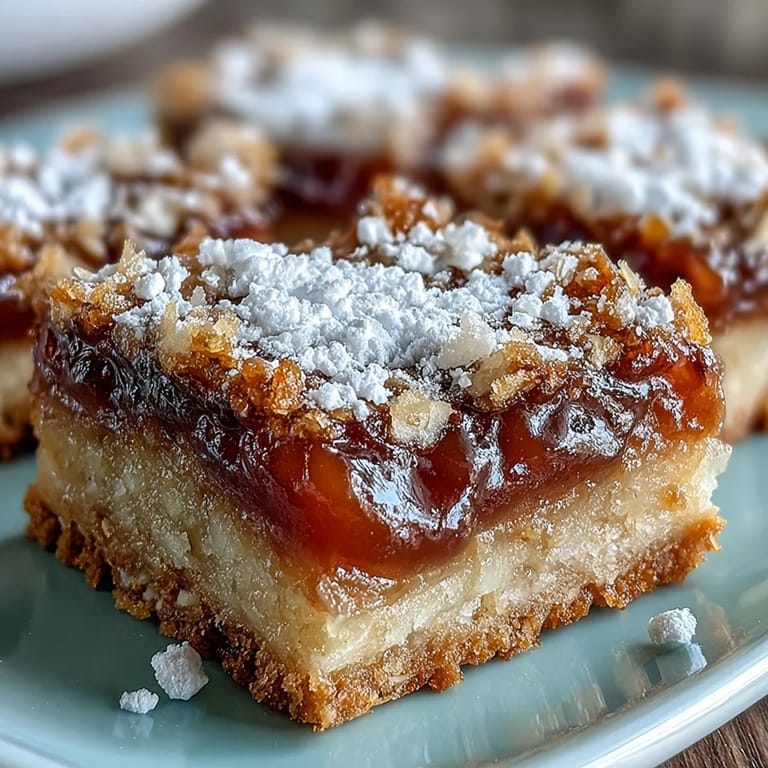
- Use the parchment overhang to lift everything out, cut into 16 squares with a sharp knife wiped clean between cuts, then dust with powdered sugar just before serving so it stays pristine.
 Save
Save I learned something unexpected when my sister mentioned these bars tasted like what an afternoon tea party would be if it were a dessert. That's when I realized I'd been chasing the right feeling all along, not just a flavor combination, and that sometimes baking is really about creating an experience someone can taste and remember.
The Art of Layering
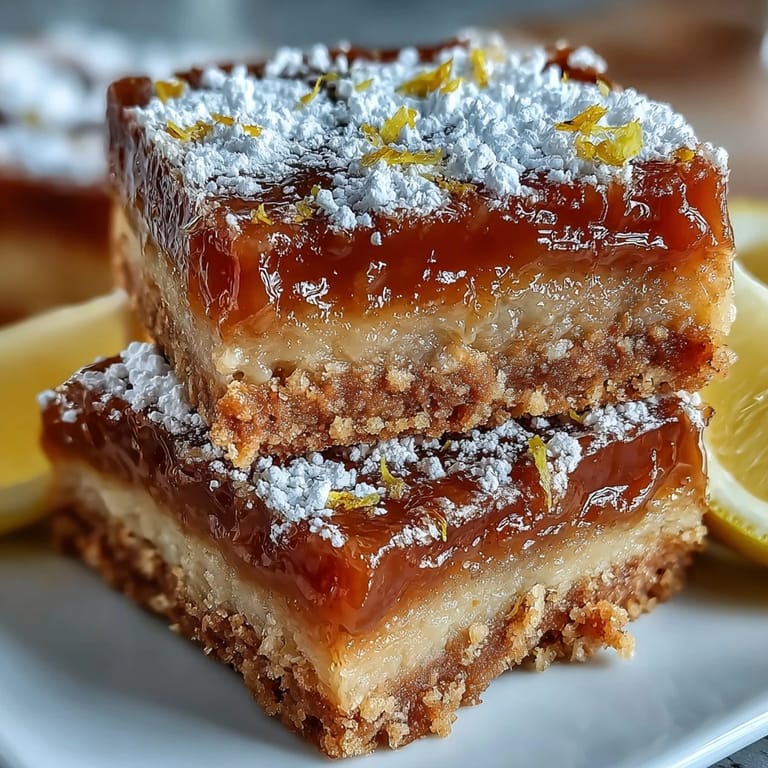
Each layer serves a purpose beyond just looking pretty. The crust anchors everything and adds textural contrast, the guava creates a subtle sweetness that prevents the lemon from tasting sharp or one-dimensional, and the filling ties it all together with elegance. I noticed early on that rushing the layers or trying to skip cooling steps between them made everything blur together into a confusing jumble instead of a sophisticated dessert. The beauty comes from respecting each layer's moment.
Tea Temperature and Flavor Balance
Earl Grey is delicate, and heat can turn it bitter or muddled if you're not careful. That's why I add the loose leaves directly to cool or room-temperature ingredients rather than steeping them in hot liquid first, which gives you the floral notes without any harshness. If you want a more pronounced tea flavor, you can steep the tea in the lemon juice for exactly 10 minutes before straining, but taste as you go because more isn't always better with this particular tea.
Serving and Storage Wisdom
These bars stay fresh in an airtight container for up to five days, which is the perfect timeline for sharing with others because they taste best when eaten within that window. The lemon flavor remains bright and the texture stays tender without getting stale, and if you want to get fancy, pair them with a proper cup of hot Earl Grey or even a crisp sparkling wine.
- Cut bars with a hot, damp knife for clean edges that look intentional rather than rough.
- Dust the powdered sugar no more than an hour before serving or it'll meld into the surface.
- If guava paste isn't available, good quality guava jelly works but choose one that's thick rather than thin.
 Save
Save These bars have become my answer to the question of what to make when I want to show someone I care through thoughtfulness rather than effort. There's something genuinely kind about sharing a dessert that tastes like you actually paid attention to flavor and detail.
Recipe FAQs
- → Can I make these bars ahead of time?
Yes, these bars actually improve with time. They can be made up to 3 days in advance and stored tightly covered in the refrigerator. The flavors meld and the texture becomes more firm and sliceable after chilling overnight.
- → What's the best way to achieve clean cuts?
For pristine squares, chill the bars thoroughly for at least 4 hours or overnight. Use a sharp knife wiped clean between cuts, and dip the knife in hot water then dry it for especially smooth slices. The powdered sugar should be added after cutting.
- → Can I substitute the guava paste?
Guava paste provides the best concentrated flavor and proper layering texture. Guava jelly or membrane can work but may create a softer layer. Mango or passion fruit curd could offer interesting tropical variations while maintaining the dessert's elegant profile.
- → How do I intensify the Earl Grey flavor?
Steep two tea bags in the lemon juice for 10-15 minutes before straining, or grind the tea leaves finer before incorporating. You can also brush the warm crust with strongly brewed Earl Grey before adding the guava layer for an extra aromatic boost.
- → What's the ideal serving temperature?
Serve chilled directly from the refrigerator for the cleanest cuts and firmest texture. If serving at room temperature, limit exposure to under 2 hours to maintain structure. The contrast between cool, creamy filling and buttery crust is most pronounced when slightly chilled.
- → Can these be frozen for later?
These bars freeze beautifully. Cut them first, wrap individual squares tightly in plastic, then store in a freezer-safe container for up to 3 months. Thaw in the refrigerator overnight and dust with powdered sugar just before serving for optimal freshness.