 Save
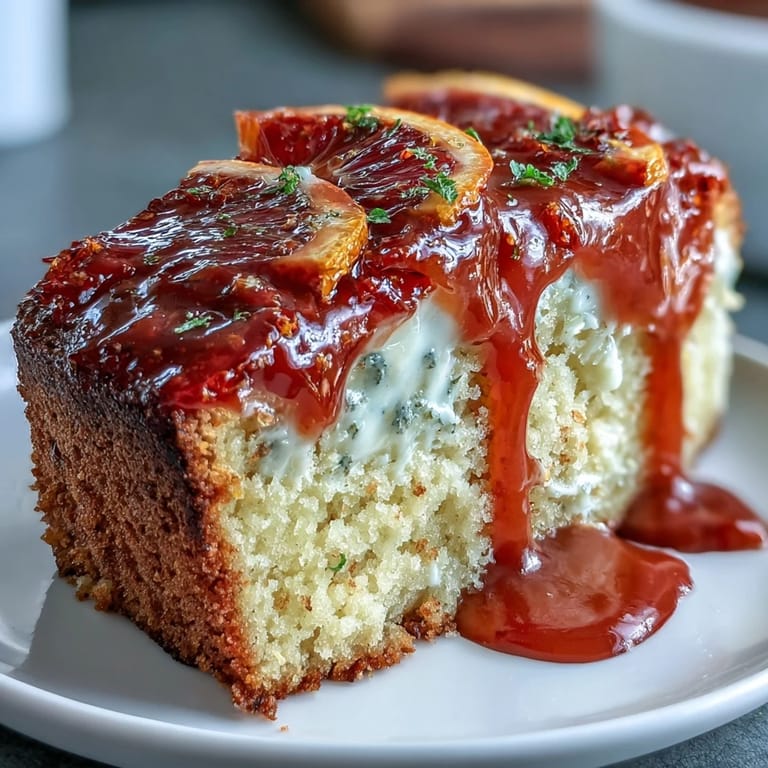
Save My neighbor showed up one February morning with a bag of blood oranges from her tree, and I had no plan except to slice one open and watch the juice stain my cutting board crimson. The tartness hit first, then the floral sweetness, and I knew I wanted that contrast baked into something tender and simple. I pulled out yogurt, eggs, and flour, working without a strict recipe, just tasting and adjusting until the batter looked right. That cake, drizzled with a quick citrus icing, disappeared by dinner, and I've been making it ever since.
I baked this for a friend recovering from surgery, thinking something bright and not too sweet would lift her spirits. She called me that evening to say the citrus reminded her of summers in Sicily, even though she'd never been. We laughed about how food can create memories that never actually happened. Since then, I've made it for birthdays, quiet Sundays, and moments when I just need the kitchen to smell like sunshine.
Ingredients
- All-purpose flour: The structure here is gentle, so measure carefully and avoid packing the cup or the cake turns dense.
- Baking powder: Fresh powder makes all the difference, check the date or your cake won't rise evenly.
- Salt: Just a pinch balances the sweetness and makes the citrus pop without tasting salty.
- Plain Greek yogurt: Use full-fat for the richest crumb, low-fat works but the texture is slightly drier.
- Granulated sugar: It dissolves into the yogurt smoothly, creating a batter that bakes up tender and moist.
- Large eggs: Room temperature eggs blend faster and create a lighter, airier cake.
- Blood orange zest: The oils in the zest carry intense flavor, so zest before juicing and avoid the bitter white pith.
- Blood orange juice: Freshly squeezed is sweeter and more fragrant than bottled, strain out seeds and pulp.
- Vanilla extract: A teaspoon rounds out the citrus without competing, pure extract tastes cleaner than imitation.
- Coconut oil: Melted and cooled, it adds moisture and a subtle tropical note that complements the orange beautifully.
- Powdered sugar: Sift it first or the icing will be lumpy, no one wants gritty glaze.
Tired of Takeout? 🥡
Get 10 meals you can make faster than delivery arrives. Seriously.
One email. No spam. Unsubscribe anytime.
Instructions
- Prep the pan:
- Butter every corner of your loaf pan, then dust with flour, tapping out the excess so the cake releases cleanly. Parchment paper works too, but I like the slight crust butter gives the edges.
- Mix the dry ingredients:
- Whisk flour, baking powder, and salt in a medium bowl until evenly combined, no clumps. This step ensures even rise and prevents pockets of raw flour.
- Combine yogurt and sugar:
- Whisk them together in a large bowl until the sugar mostly dissolves and the mixture looks smooth and creamy. This creates the base that holds everything together.
- Add eggs and citrus:
- Whisk in eggs one at a time, then stir in zest, juice, and vanilla until the batter smells bright and looks unified. Don't rush this, each egg needs time to blend.
- Fold in dry ingredients:
- Add the flour mixture in two additions, folding gently with a spatula until just combined and no dry streaks remain. Overmixing here makes the cake tough, so stop as soon as it comes together.
- Incorporate coconut oil:
- Drizzle the melted, cooled oil over the batter and fold gently until it disappears into the mix. The oil should blend smoothly without pooling at the bottom.
- Bake until golden:
- Pour batter into the pan, smooth the top, and bake for 50 minutes until a toothpick comes out clean. The top should be golden and spring back when lightly pressed.
- Cool completely:
- Let the cake rest in the pan for 10 minutes, then turn it out onto a wire rack to cool fully before icing. Icing a warm cake makes it slide right off.
- Whisk the icing:
- Combine powdered sugar, juice, and zest, whisking until smooth and pourable but not too thin. It should drip slowly off the whisk, thick enough to coat the spoon.
- Drizzle and set:
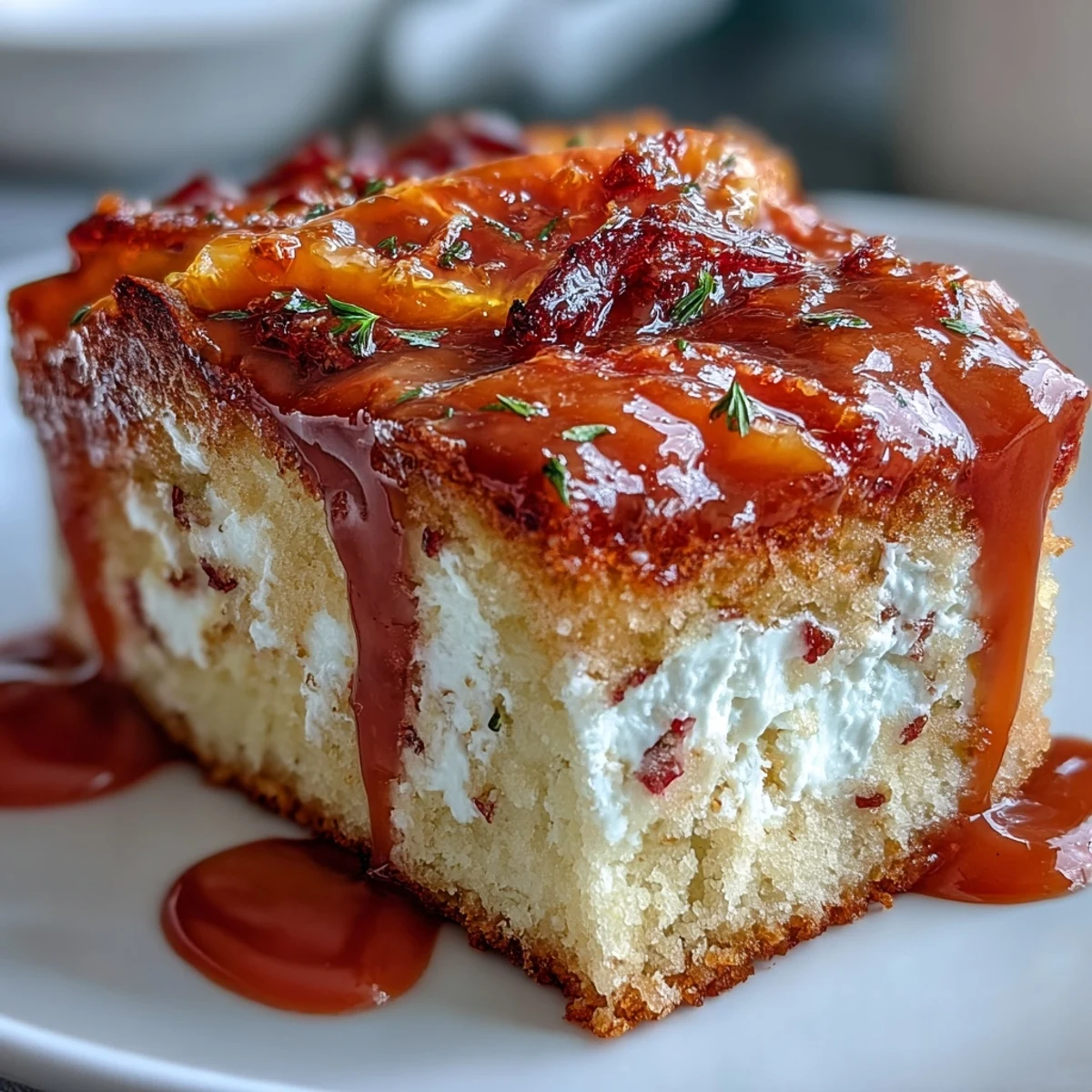
- Pour the icing over the cooled cake, letting it drip down the sides naturally. Let it set for 20 minutes until the surface hardens slightly before slicing.
 Save
Save I served this at a potluck once, and someone asked if I'd bought it from a bakery. I laughed and said no, just yogurt and oranges, and she looked skeptical until I showed her the recipe. That moment reminded me that simple ingredients, handled with care, can feel like magic. It's the kind of cake that makes people lean in and ask for seconds without saying much at all.
Choosing Your Citrus
Blood oranges are stunning, but they're seasonal and sometimes hard to find. Regular oranges work beautifully here, though the flavor is sweeter and less complex. I've also tried Cara Cara oranges, which add a berry-like note that surprised me in the best way. Grapefruit is too tart unless you up the sugar, and lemon makes it more of a classic pound cake. Taste your fruit first and adjust the sugar if your oranges are especially sweet or sour.
Storing and Serving
This cake stays moist at room temperature for two days if covered loosely with foil or a cake dome. In the fridge, it lasts up to five days, though the texture firms up slightly and I prefer it closer to room temp. Freeze slices wrapped individually in plastic, then foil, for up to three months. Thaw on the counter for an hour and the icing softens back to its glossy finish. I like serving it plain with coffee, or topped with yogurt and fresh berries for breakfast.
Flavor Variations
Swap coconut oil for melted butter if you want a richer, more traditional crumb. Add a handful of poppy seeds to the batter for texture and a subtle nutty taste. I've stirred in chopped pistachios once, and the green flecks looked beautiful against the pink icing. A splash of almond extract in place of vanilla gives it a marzipan vibe that pairs well with stone fruits in summer.
- Fold in fresh blueberries for bursts of tartness that complement the citrus perfectly.
- Brush the warm cake with a blood orange simple syrup before icing for extra moisture and flavor.
- Top with candied orange slices or a sprinkle of flaky sea salt for a fancy finish.
 Save
Save This cake has a way of making ordinary afternoons feel celebratory, even when it's just you and a cup of tea. I hope it brings a little brightness to your table, whether you're sharing it or keeping it all to yourself.
Recipe FAQs
- → Can I use regular oranges instead of blood oranges?
Yes, navel oranges or cara cara oranges work well as substitutes. The flavor will be slightly different but still delicious and citrusy.
- → How should I store this cake?
Keep covered at room temperature for up to 2 days, or refrigerate for up to 5 days for extended freshness. Bring to room temperature before serving.
- → Can I freeze this cake?
Yes, wrap the cooled cake (without icing) tightly in plastic wrap and freeze for up to 3 months. Thaw overnight, then add fresh icing before serving.
- → What can I substitute for coconut oil?
Melted unsalted butter works perfectly as a substitute. You can also use vegetable oil, though butter adds the best flavor.
- → How do I know when the cake is done baking?
Insert a toothpick into the center—if it comes out clean or with just a few moist crumbs, the cake is ready. The top should be golden brown and slightly springy to the touch.
- → Can I make this gluten-free?
Yes, use a 1:1 gluten-free flour blend in place of all-purpose flour. The texture may be slightly denser but still enjoyable.