 Save
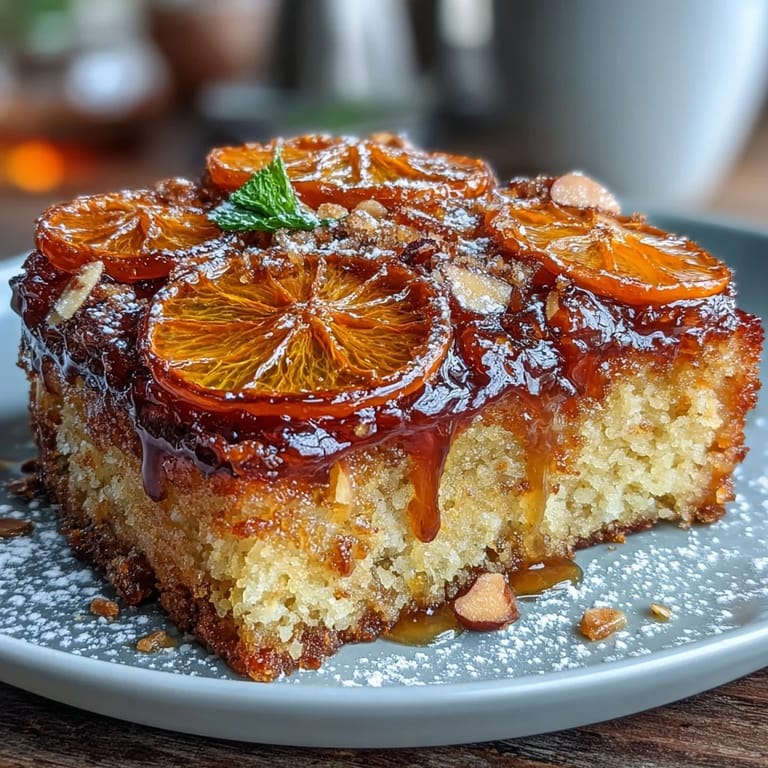
Save My sister brought home a jar of candied oranges from a Mediterranean market, and I immediately thought: why not bake these jewels into something? That afternoon, I whisked together almond flour and eggs, layering those glossy orange slices at the bottom of the pan, and when the cake inverted onto the plate, the candied citrus caught the light like stained glass. It was the kind of happy accident that happens when you follow your instincts instead of a recipe.
I made this cake for my neighbor who mentioned she was tired of dry, gritty gluten-free desserts, and watching her face light up when she bit into that tender crumb studded with almond made every candied orange slice worth the effort. She asked for the recipe the next day.
Ingredients
- Candied Oranges (2 medium oranges, thinly sliced): These are the star, so slice them evenly so they cook at the same pace and become glossy without turning to marmalade.
- Granulated Sugar (1 cup for candying plus 1 cup for cake): The sugar syrup transforms the orange slices into translucent, jewel-like rounds that catch light on the finished cake.
- Water (1 cup for candying): Just enough to create a gentle poaching liquid that lets the orange flavor come through without overwhelming the delicate texture.
- Almond Flour (2 cups): Use finely ground blanched almonds for the silkiest texture; coarser flour will make the cake feel sandy and dry.
- Eggs (4 large): They're your structure here, so whisk them until they're pale and slightly thickened so the cake rises properly without being dense.
- Extra Virgin Olive Oil or Melted Butter (1/2 cup): Olive oil keeps this dairy-free and adds a subtle fruity note that harmonizes with the orange; butter works beautifully too if you prefer richness.
- Vanilla Extract (1 tsp): A small but essential whisper that deepens the flavor without announcing itself.
- Orange Zest (from 1 orange): This is where hidden citrus brightness lives; don't skip it just because the candied oranges are already there.
- Salt (1/2 tsp): It makes everything taste more like itself, especially important in delicate almond cakes.
- Gluten-Free Baking Powder (1 tsp): Always verify it's certified gluten-free, as some brands hide gluten in their anti-caking agents.
- Sliced Almonds (2 tbsp, optional): These add a gentle crunch and visual appeal, though the cake is perfect without them.
- Powdered Sugar (for dusting): A light dusting at the end gives an elegant finish and a hint of sweetness.
Tired of Takeout? 🥡
Get 10 meals you can make faster than delivery arrives. Seriously.
One email. No spam. Unsubscribe anytime.
Instructions
- Prepare Your Stage:
- Heat your oven to 350°F and grease a 9-inch springform pan, lining it with parchment paper so the cake releases cleanly and the candied oranges stay put on the bottom. This takes two minutes but saves you heartbreak later.
- Candy the Oranges:
- Pour sugar and water into a wide saucepan and bring to a simmer, then lay your orange slices flat in a single layer. Let them cook gently for 15 to 20 minutes, turning occasionally, until they turn translucent and the edges curl slightly—you'll know they're ready when they look like stained glass. Transfer them to a wire rack and save that syrup; it becomes pure magic brushed over the finished cake.
- Layer the Foundation:
- Once the candied oranges have cooled, arrange them overlapping slightly on the bottom of your prepared pan. They'll become the top of the cake after you invert it, so take a moment to make them look beautiful.
- Build the Batter:
- In a large bowl, whisk your eggs with sugar for about two minutes until the mixture is pale and slightly thickened—this aerates the batter and helps it rise. The transformation from thin and yellow to fluffy and pale means you're incorporating air, which is your friend in almond cakes.
- Add the Wet Ingredients:
- Pour in your olive oil or melted butter along with vanilla, orange zest, and salt, whisking until the whole mixture is smooth and glossy. The zest will distribute throughout, and you'll smell citrus blooming—that's exactly right.
- Fold in the Almond Flour:
- Gently fold the almond flour and baking powder into the wet mixture until just combined, being careful not to overwork it or the cake will be dense. A few streaks of flour are fine; overmixing is the enemy here.
- Unite and Bake:
- Pour the batter gently over your candied orange slices and smooth the top with a spatula. Bake for 45 to 50 minutes until the top is golden and a toothpick inserted into the center comes out clean or with just a few moist crumbs.
- Cool and Invert:
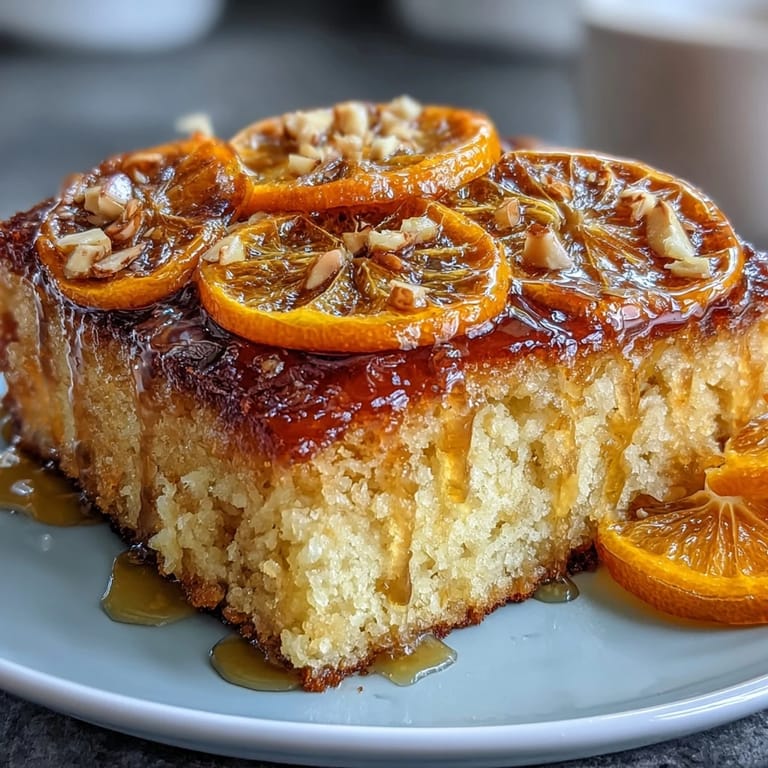
- Let the cake rest in the pan for 15 minutes so it sets slightly, then carefully invert it onto a serving plate—the candied oranges should be on top, glowing like they've been waiting for this moment. It's a small thrill every time.
- Finish with Shine:
- Brush the reserved orange syrup over the warm cake, which will soak in slightly and add flavor and glossiness. Then scatter sliced almonds if you're using them and dust with powdered sugar for that final elegant touch.
 Save
Save There's a moment when you invert the warm cake and the candied oranges stay exactly where they should—not sliding, not sticking—and you realize the whole thing actually worked. That's when this cake stops being a recipe and becomes a small triumph you can slice and share.
Why Almond Flour Changes Everything
Almond flour is not a substitute; it's its own thing entirely, and it bakes differently than wheat flour does. It adds moisture from its natural oils, so the cake stays tender even the next day, and it has a subtle flavor that pairs beautifully with citrus instead of competing with it. The structure is also more delicate, which is why gentle folding matters and why this cake doesn't rise as dramatically as a traditional butter cake—but what you lose in height, you gain in sophistication and that silky crumb that melts on your tongue.
The Magic of Candying Your Own Citrus
Buying pre-candied oranges is fine, but making your own gives you control over sweetness and texture, and there's something satisfying about watching plain orange slices transform into jeweled rounds through nothing but gentle heat and time. You can taste the difference—store-bought versions are often glazed heavily, while your homemade ones retain brightness and subtle bitterness that keeps the cake from becoming cloying. Plus, you get to use that reserved syrup, which is liquid gold.
Storage, Serving, and the Joy of Leftovers
This cake actually improves on the second day because the flavors meld and the moisture settles in more evenly, so make it ahead without guilt. Store it covered at room temperature for up to three days, and if you're tempted to refrigerate it, resist—the cold will make the almond flour seem more grainy. A dollop of whipped cream or Greek yogurt on the side transforms it into something even more special, though it's honestly perfect on its own.
- If you want to take it over the edge, whip cold cream with a teaspoon of powdered sugar and a tiny pinch of vanilla.
- The cake pairs beautifully with strong black tea or espresso, which cuts through the richness in the best way.
- If you have any left after three days, tear it into pieces and layer it with yogurt for a makeshift trifle.
 Save
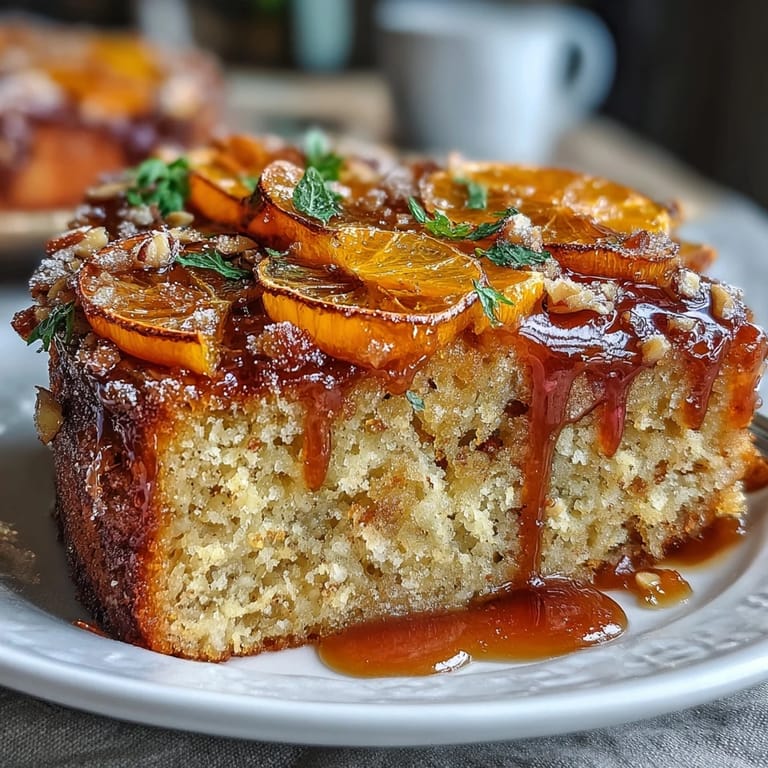
Save This cake taught me that the best desserts are the ones that feel slightly elegant without requiring complicated techniques or hard-to-find ingredients. It's the kind of thing you make for people you want to impress, or for yourself on a day you deserve something beautiful.
Recipe FAQs
- → How do you prepare the candied oranges?
Slice oranges thinly and simmer gently in sugar and water until translucent. Cool on a wire rack before layering in the pan.
- → Can olive oil be substituted for butter?
Yes, replacing butter with olive oil helps keep the cake dairy-free while maintaining moisture and richness.
- → What is the best pan for baking this cake?
A 9-inch springform pan lined with parchment paper prevents sticking and helps maintain the cake’s shape during baking.
- → How can I store the finished cake?
Store covered at room temperature to retain moisture; it remains fresh and tender for up to three days.
- → Are there any common allergens in this dish?
This cake contains eggs and almonds; verify gluten-free certification for baking powder if needed.