 Save
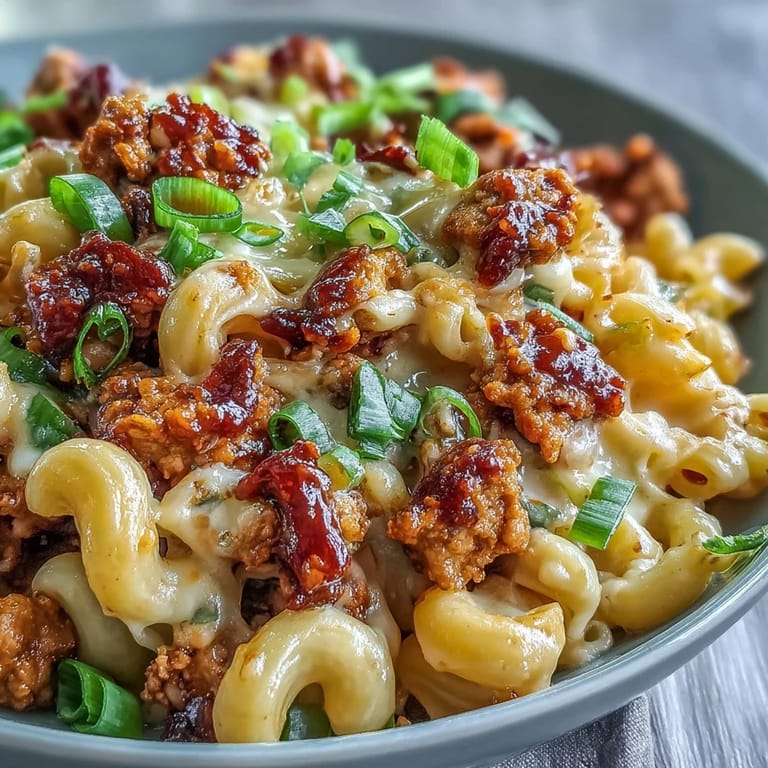
Save My roommate brought home a jar of gochujang one Tuesday, and I watched her make this Korean-style turkey mac and cheese while standing at our tiny kitchen counter. The smell of garlic and ginger hitting the sesame oil, then that deep red paste swirling into ground turkey—it felt like two completely different cooking worlds colliding in the best way. I couldn't resist asking for a taste, and by the time she plated it with those bright green scallions scattered on top, I knew I had to learn how to make it myself.
I made this for friends who were skeptical about Korean flavors in mac and cheese, and watching their faces light up after that first bite made the whole thing worth it. Someone asked if I'd started a restaurant, which was the highest compliment I've received in my apartment kitchen.
Ingredients
- Elbow macaroni (12 oz): The classic shape holds onto creamy sauce perfectly, and cooking it just until tender keeps it from getting mushy when it gets mixed in.
- Whole milk (2 cups): Full-fat milk creates that velvety sauce texture you're after, so don't skip it for a lighter version until you've made it once.
- Unsalted butter (2 tbsp): This is your base for the roux, and unsalted lets you control the salt level throughout the whole dish.
- All-purpose flour (2 tbsp): Just enough to thicken the sauce without making it gluey—the key is whisking constantly so no lumps form.
- Sharp cheddar cheese (1 1/2 cups shredded): Sharp cheddar has real flavor that stands up to the spicy turkey without getting lost in the mix.
- Mozzarella cheese (1/2 cup shredded): This adds creaminess and helps the sauce feel luxurious without overpowering the cheddar.
- Kosher salt and black pepper: Season as you taste—the gochujang brings salt too, so you might need less than you think.
- Ground turkey (1 lb): Lean and quick to cook, it becomes this savory-spicy-sweet element that transforms the whole dish.
- Gochujang (2 tbsp): Korean chili paste with depth and complexity; start with less if you're sensitive to heat, then adjust next time.
- Low-sodium soy sauce (1 tbsp): Adds umami and that savory backbone that makes the turkey feel complete.
- Honey (1 tbsp): A touch of sweetness balances the spice and brings the flavors into harmony instead of fighting each other.
- Toasted sesame oil (2 tsp): Never cook with this at high heat—add it to the turkey after the main cooking so it keeps that nutty, toasted aroma.
- Garlic and ginger (2 cloves minced, 1 tsp grated): These two together create that aromatic foundation that makes your kitchen smell incredible and builds the whole flavor profile.
- Red pepper flakes (1/2 tsp optional): Only if you want extra heat—the gochujang usually brings enough kick on its own.
- Scallions (4, thinly sliced): Fresh, bright, and they add a color pop and crisp texture that cuts through the richness beautifully.
- Sesame seeds (1 tsp toasted, optional): A tiny sprinkle at the end gives it that restaurant-quality finish and extra nutty depth.
Tired of Takeout? 🥡
Get 10 meals you can make faster than delivery arrives. Seriously.
One email. No spam. Unsubscribe anytime.
Instructions
- Get the pasta going:
- Bring a big pot of salted water to a rolling boil, then add your elbow macaroni and cook until just tender according to the package directions. Drain it but don't rinse it—that starch helps the sauce cling better.
- Make your cheese sauce foundation:
- In a large skillet over medium heat, melt the butter and whisk in the flour, stirring for about a minute until it becomes a light golden paste. Slowly pour in the milk while whisking constantly so you don't get lumps, and keep stirring until the mixture thickens up and coats the back of a spoon, about 3 to 4 minutes.
- Build the creamy cheese base:
- Turn the heat down to low and add your shredded cheeses, stirring gently until they're completely melted and the sauce is smooth and glossy. Season it with salt and pepper to taste, then keep it warm on the back burner.
- Sear and season the turkey:
- Heat the sesame oil in another skillet over medium-high heat and add your minced garlic and ginger, letting them become fragrant for just about a minute. Add your ground turkey and break it up with a wooden spoon as it cooks, until it's no longer pink and starting to get a little color, around 5 to 6 minutes.
- Create the Korean-style coating:
- Stir in the gochujang, soy sauce, and honey into the cooked turkey, mixing well so every piece gets coated in that sweet and spicy sauce. Let it cook together for another 2 to 3 minutes so the flavors meld, then taste and add red pepper flakes if you want more heat.
- Bring it all together:
- Pour the cooked macaroni into your cheese sauce and stir gently until every piece is coated and creamy. Fold in about half of the turkey mixture so it's distributed throughout, saving the rest for topping.
- Plate and garnish:
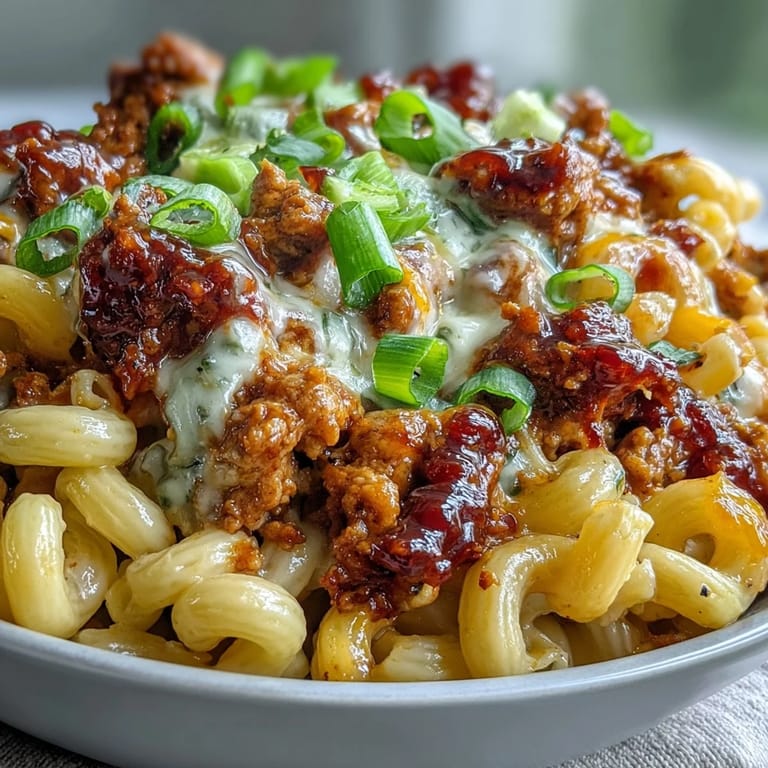
- Divide the mac and cheese among your serving bowls and top each one with the remaining turkey crumbles, a generous scatter of fresh scallions, and a pinch of toasted sesame seeds if you have them. Serve immediately while it's still hot and the textures are at their best.
 Save
Save There's something really special about how this dish brings people together—something about the combination of familiar comfort food with unexpected flavors makes everyone relax and get second helpings. It's become the thing I make when I want to impress people without spending three hours in the kitchen.
The Magic of Gochujang
Gochujang is a fermented chili paste that's been a staple in Korean cooking for centuries, and it brings this incredible depth that you can't replicate with just hot sauce or regular chili powder. The first time I used it, I was surprised by how much umami it added—it's not just spicy, it's savory and complex, and a little bit goes a long way. Once you start cooking with it, you'll find yourself reaching for it in soups, marinades, and even mixed into mayo for sandwiches.
Making It Your Own
This recipe is really a framework for what you love, and I've found that's what makes it so fun to come back to again and again. I've added everything from crispy fried shallots on top to a handful of steamed broccoli mixed into the pasta, and every version has been delicious. The beauty is that the cheese sauce and turkey base are so solid that you can play around with toppings and add-ins without breaking anything.
Wine and Drink Pairings
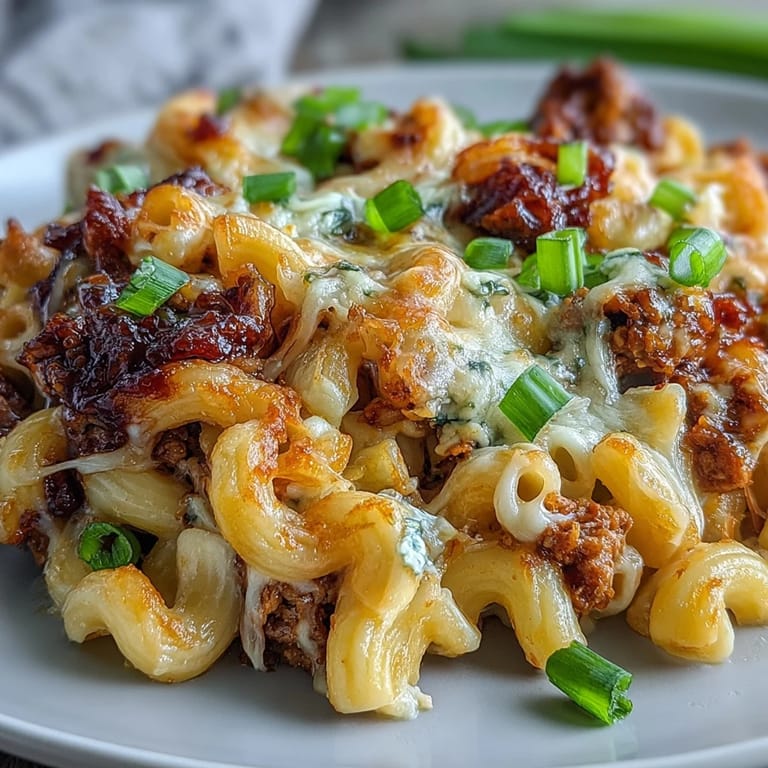
A cold, crisp lager is practically made for this dish—the clean, slightly bitter notes cut through the richness of the cheese sauce and cool down the spice from the gochujang. If beer isn't your thing, a lightly chilled rosé brings enough acidity and fruit to balance everything beautifully without competing with the flavors.
- The carbonation in beer or sparkling wine helps cleanse your palate between bites so you taste every layer.
- Avoid heavy red wines that will fight with the spice and creaminess instead of complementing them.
- Even a cold glass of milk or a light iced tea works if you prefer non-alcoholic options.
 Save
Save This Korean-style turkey mac and cheese has become something I make without thinking—it's comfortable and confident, but it always feels a little bit special. Every bowl feels like a small celebration, honestly.
Recipe FAQs
- → Can I make this dish less spicy?
Absolutely. Start with half the amount of gochujang and omit the red pepper flakes. You can always add more heat later. Gochujang brands vary in spiciness, so taste as you go.
- → What type of cheese works best?
Sharp cheddar provides the best flavor punch, while mozzarella adds creaminess and melt. You could substitute gruyère for extra depth or use pepper jack for more heat.
- → Can I prepare components ahead?
The turkey mixture can be made up to 2 days in advance and reheated gently. The cheese sauce is best made fresh but can be kept warm for about 30 minutes. Store everything separately and combine just before serving.
- → Is there a substitute for gochujang?
Sriracha mixed with a teaspoon of miso paste can mimic the flavor profile. Alternatively, use red pepper flakes with a bit of honey and soy sauce, though you'll miss the fermented depth gochujang provides.
- → How do I store leftovers?
Keep in an airtight container in the refrigerator for up to 3 days. Reheat gently with a splash of milk to restore creaminess—the cheese sauce may thicken when cold.
- → Can I make this gluten-free?
Use gluten-free macaroni and substitute the all-purpose flour with a 1:1 gluten-free flour blend. Ensure your gochujang and soy sauce are certified gluten-free, or use tamari instead.