 Save
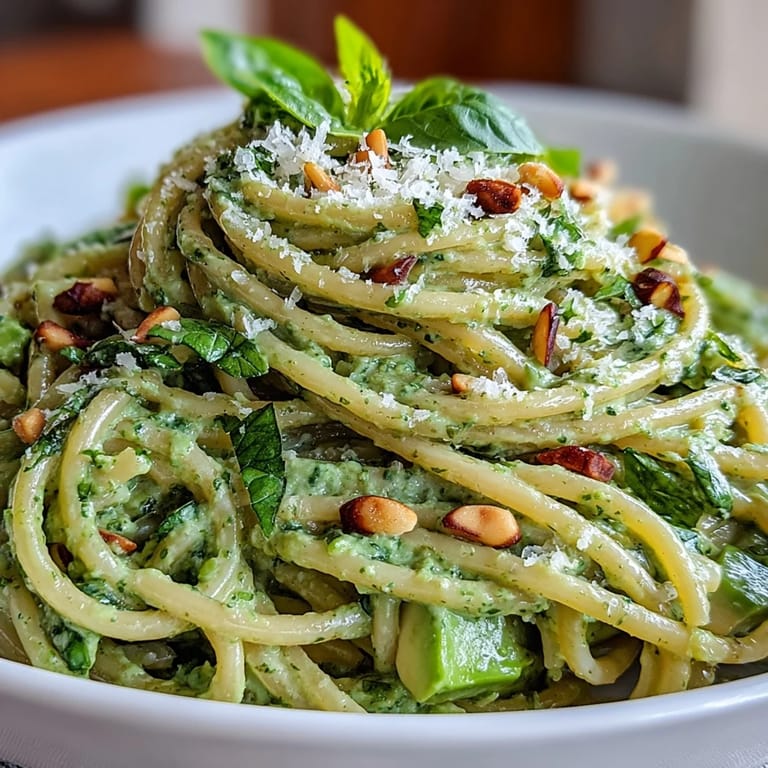
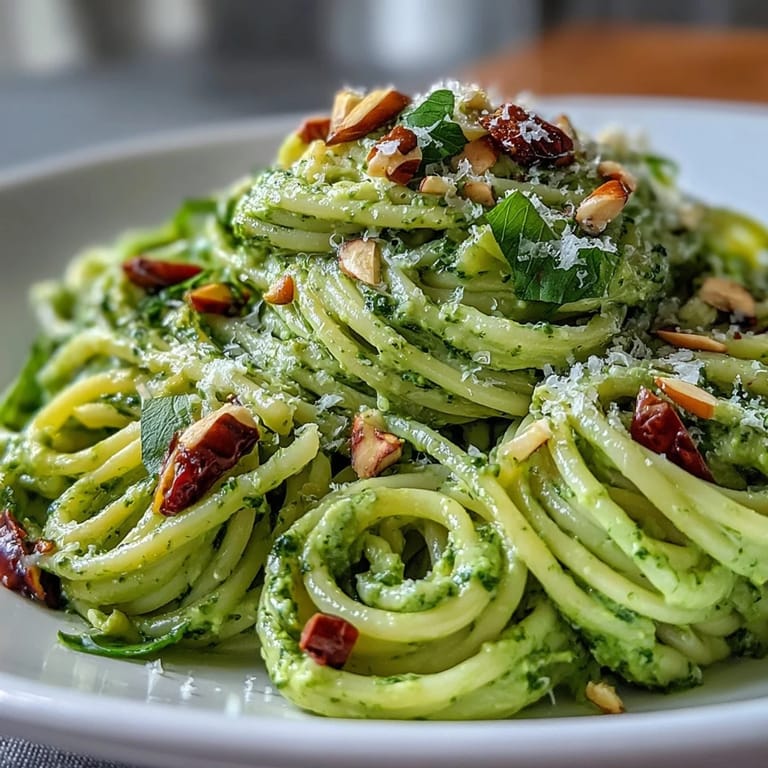
Save The first time I threw together this creamy avocado pesto pasta, I was standing barefoot on cool kitchen tiles, windows thrown open and basil scent drifting in from the garden. The sauce came together before the pasta even finished boiling, and I remember thinking how wildly green it looked in the blender. There&39;s a playful feeling when you taste something you&39;ve never quite had before—smooth, herby, and unexpectedly rich. The clatter of tongs against the bowl and a tiny squeeze of lemon made something simple feel like a small celebration. No ovens, no stove, just the satisfying hum of the blender, and dinner was done.
One rainy afternoon, I made this for two friends who showed up drenched and shivering. While the pasta bubbled, we laughed about how thunder makes the dog bark louder than ever, and when I tossed the just-drained noodles with the glowing pesto, the mood changed from gloomy to bright in an instant. There&39;s a magic in food that’s ready before you&39;ve even finished complaining about the weather.
Ingredients
- Pasta: I usually reach for spaghetti or linguine—if you snag the good stuff or a gluten-free version, the sauce shines regardless.
- Ripe avocados: Creamy, buttery, and best just at the edge of soft—don’t use underripe or you’ll miss the magic.
- Fresh basil leaves: That bright herbal pop transforms the sauce—be generous, and pick out any woody stems.
- Pine nuts (or walnuts): Pine nuts add buttery richness, but walnuts give a heartier feel (either blends in like a dream).
- Garlic: Only two cloves, but trust me, they make the flavors sing instead of shout.
- Freshly grated Parmesan cheese: I learned that pre-grated never melts quite right—stick with the block and grate it yourself.
- Lemon juice: A couple tablespoons wake everything up; squeeze it fresh if you can.
- Extra virgin olive oil: The kind you’d drizzle on bread—it adds depth and helps everything blend.
- Salt and black pepper: Season until you notice every flavor brighten up.
- Extra Parmesan cheese, fresh basil, lemon zest: I love these for garnish—the zest especially for a sparkly look and citrus aroma.
Tired of Takeout? 🥡
Get 10 meals you can make faster than delivery arrives. Seriously.
One email. No spam. Unsubscribe anytime.
Instructions
- Boil and drain:
- Bring your biggest pot of salted water to a rolling boil and cook the pasta until just firm, scooping out half a cup of that starchy water before draining it—don’t let that go down the sink.
- Blend the pesto:
- While the pasta cooks, pile your avocado, basil, nuts, garlic, Parmesan, lemon juice, and olive oil into a blender or food processor, blending until the color is vivid green and the texture is gloriously creamy—pause to scrape the sides and taste for seasoning.
- Combine and coat:
- Tip the drained pasta back in the pot, add the pesto, and toss with reserved pasta water little by little, just until every strand is velvety (don’t skimp on the tossing—every bite deserves its coat).
- Dish and garnish:
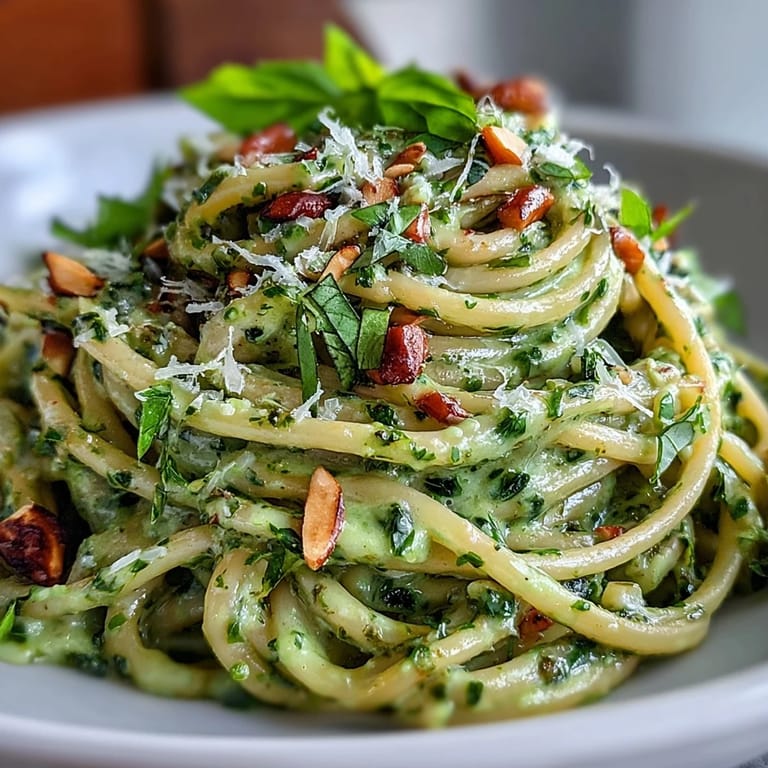
- Serve up in warm bowls, finishing with clouds of Parmesan, scatterings of basil, and an extra shower of lemon zest if you’re craving brightness.
 Save
Save One night I prepared this dish during a chaotic family dinner, when someone accidentally knocked over a glass just as I was garnishing the pasta. We laughed, mopped up, and dove in anyway, and everyone agreed it outshone the weeknight mess; in that moment, the pasta became a little act of joy amidst the noise.
Switching Things Up: My Favorite Variations
Sometimes I stir in halved cherry tomatoes or even a scoop of silky roasted vegetables to boost the color and flavor. For a hearty meal, grilled chicken or a handful of arugula leaves mixes in beautifully and adds bite. If you&39;ve got a guest who’s vegan, skip the Parmesan or use your go-to vegan cheese—it’s still a showstopper.
Making it Work for You
When I’m prepping this for a crowd, I get everything ready before the pasta hits the water—avocados prepped but stones in place to keep them from browning, bowls set out in a row. This sauce really doesn’t like to sit around, so pile it on the pasta just before you eat for the freshest taste.
Small Kitchen, Big Flavor
Most of the time I blend the sauce in a food processor, but once I tried mashing everything by hand with a fork and mortar. The texture was chunkier, a little rustic, and honestly, just as delicious when time was tight. Every kitchen has its own rhythm, so whether you&39;ve got fancy gadgets or not, you’ll still get great results.
- If using walnuts instead of pine nuts, toast them briefly—it brings out their best flavor.
- Rub your serving bowl with a cut clove of garlic for extra aroma.
- Always serve immediately—waiting dulls the sauce&39;s shine.
 Save
Save This dish is about real food, quick hands, and the surprise of creamy comfort in every bite. Hope your kitchen fills with as much bright flavor and laughter as mine does when this is on the menu.
Recipe FAQs
- → Can I use walnuts instead of pine nuts?
Yes. Walnuts provide a similar richness and are more affordable; toast them lightly for extra depth. Almonds also work but alter the flavor profile slightly.
- → How do I prevent the avocado sauce from being gritty?
Use very ripe avocados and blend until completely smooth. Add olive oil and a little reserved pasta water while blending to create a silky texture.
- → Is there a dairy-free option?
Omit the Parmesan and use a nutritional yeast or a vegan hard cheese alternative to maintain savory, umami notes while keeping the sauce creamy.
- → How much reserved pasta water should I add?
Start with 2–4 tablespoons and add more as needed. The starchy water helps the avocado emulsion cling to the pasta without thinning the sauce too much.
- → Can this be prepared ahead of time?
The sauce is best fresh—avocado browning can occur. Store blended sauce airtight with plastic touching the surface and a squeeze of lemon, then refresh with a little olive oil before tossing with pasta.
- → What proteins or veggies pair well with this dish?
Cherry tomatoes, grilled chicken, sautéed shrimp or roasted vegetables add color and texture. Add warm ingredients just before serving to keep the sauce creamy.