 Save
Save My first döner was from a corner cart in Istanbul at midnight, steam rising from meat that had been turning all day. Years later, I finally understood why that vendor never rushed—the magic wasn't in speed but in patience, in letting thin slices of spiced lamb build flavor upon flavor on a hot surface. Making this at home changed everything; I stopped chasing perfect technique and started listening to the sizzle, watching how the edges caught caramelized color while the centers stayed tender. There's something deeply satisfying about recreating that street food in your own kitchen, even without a proper rotisserie.
I made this for a dinner party and watched my friend take that first bite, eyes going wide before she even said a word. She kept coming back for more, layering meat into flatbread with yogurt and tomatoes like she was building something precious. That's when I realized döner isn't fancy or complicated—it just tastes like someone cared enough to get every spice right and give the meat time to become something extraordinary.
Ingredients
- Boneless lamb shoulder or beef sirloin: Slice it thin, almost translucent if you can—this is what lets the meat cook through and absorb all that marinade flavor evenly.
- Lamb fat or beef fat: Traditional döner has these layers of fat that render and keep everything moist; it's optional but it's the difference between good and authentic.
- Greek yogurt: The tangy base that tenderizes the meat while it sits, turning tough cuts into something melt-in-your-mouth soft.
- Olive oil: Use good oil here since it carries the warmth of garlic and onion into every fiber.
- Garlic and grated onion: The onion juice is key—squeeze it out so you get the flavor without extra moisture that would make your stack steam instead of brown.
- Ground cumin and coriander: These warm spices are the backbone; together they taste like home even if you've never been to Turkey.
- Sweet and smoked paprika: The sweet paprika gives color and gentle flavor, while the smoked version adds that charred, spit-roasted note that makes you close your eyes.
- Cinnamon and chili flakes: Just a whisper of each, but they're what make people say 'I can't quite place it' before going back for more.
Tired of Takeout? 🥡
Get 10 meals you can make faster than delivery arrives. Seriously.
One email. No spam. Unsubscribe anytime.
Instructions
- Make the marinade:
- Whisk together yogurt, olive oil, minced garlic, and all the spices in a large bowl until it smells incredible—that moment when you know you're on the right track. This should look like a thick paste, rich with color and fragrant.
- Coat the meat:
- Add your thin slices of meat and any fat to the marinade, pressing gently so every piece gets covered in that spiced yogurt. It's okay to use your hands; get in there and make sure nothing's left dry or hidden.
- Let it sit:
- Cover and refrigerate for at least 4 hours, though overnight is when the real transformation happens. The meat will relax, the spices will seep in, and the yogurt will work its tenderizing magic.
- Arrange your meat stack:
- If you have a vertical rotisserie, thread the meat onto it, layering it loosely so heat can reach all sides. If you're using an oven (like most of us), thread marinated slices tightly onto metal skewers, pressing down to create one compact, tight cylinder—or layer everything into a loaf pan if skewers feel too fussy.
- Roast until golden:
- Place your stack on a rack over a baking tray and slide it into a 200°C oven; as it cooks, the bottom will brown and crisp while the inside stays tender. Baste every 20 minutes or so with the pan juices so nothing dries out. After an hour, crank the heat to 220°C for the last 15 minutes to get those edges caramelized and dark.
- Rest and slice:
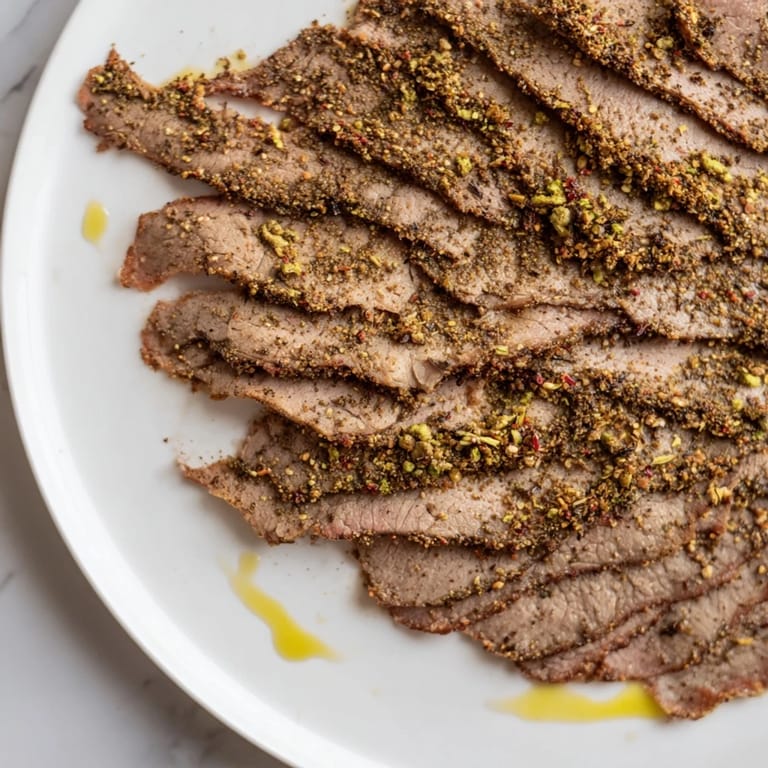
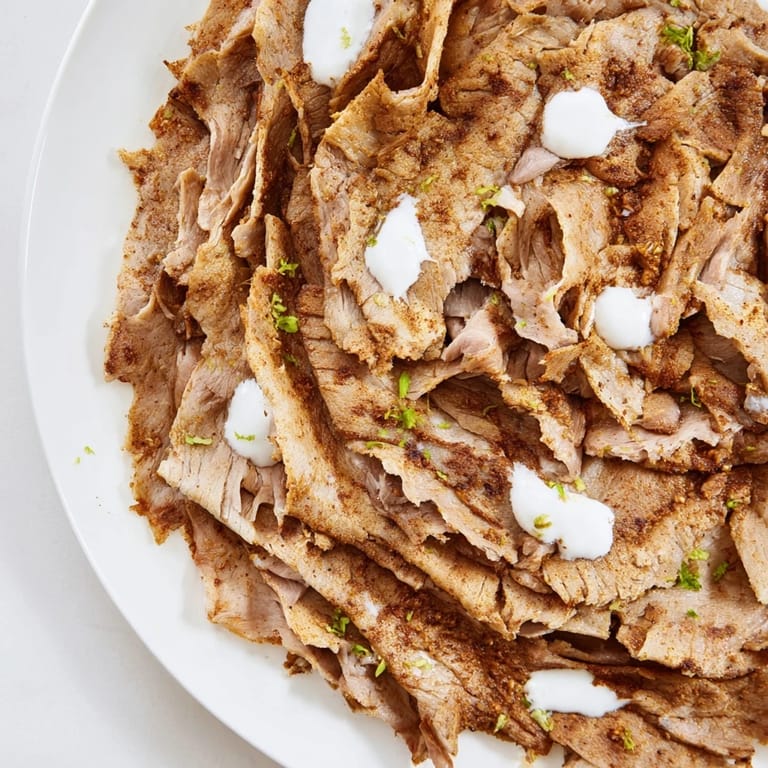
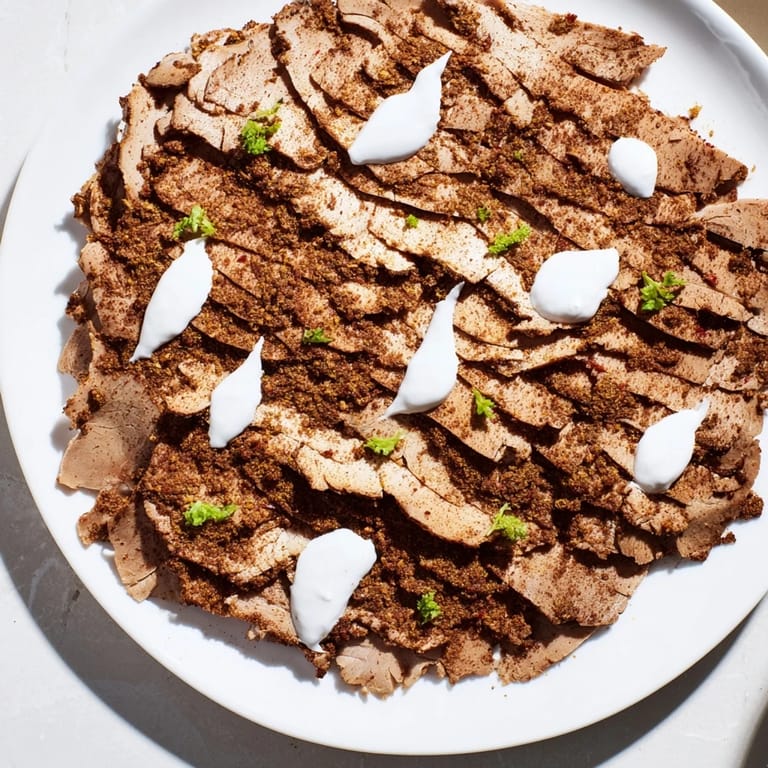
- Once it's done, let it sit for 10 minutes so the juices redistribute and the whole thing stays moist when you cut. Using a very sharp knife, slice it as thin as you can manage—thin slices are the whole point here.
 Save
Save There's a moment when the meat comes out of the oven, that aroma hitting you like a memory you didn't know you had. My kitchen smelled like a Turkish street at night, and suddenly this dinner wasn't just cooking anymore—it was traveling, it was connection.
Building Your Serving
The real joy of döner is in the assembly; everyone gets to build their own, choosing how much meat, how much sauce, which vegetables speak to them. Warm your flatbread just before serving so it stays pliable and holds everything without tearing, and arrange your toppings in small bowls so people can layer however they want.
Variations and Flexibility
You don't have to stick strictly to lamb—chicken thighs give you something lighter and leaner while keeping all that spiced depth, and they're gentler on the wallet if you're feeding a crowd. Beef sirloin works beautifully too, giving you that rich, savory note that some people prefer. The spice blend is flexible enough that you can dial back the heat if chili flakes aren't your thing, or add more if you want it fierce.
Storage and Reheating
Leftovers keep in the fridge for three days and taste almost as good warmed gently in a pan with a splash of water, which steams them back to tenderness. You can also slice and freeze them, and they thaw beautifully for quick lunches when you're craving that döner moment again.
- Squeeze lemon juice over the sliced meat just before serving for brightness that cuts through the richness.
- A dollop of garlicky yogurt sauce on each bite makes it feel even more like the real deal.
- If your oven runs hot or cold, watch the meat carefully rather than trusting the timer—every kitchen is different.
 Save
Save This is the kind of dish that reminds you why cooking matters—not for impressing people, but for creating a moment where everyone slows down and tastes something real. Make it and watch how it brings people together.
Recipe FAQs
- → What type of meat works best for Turkish döner?
Boneless lamb shoulder or beef sirloin sliced thin delivers the authentic texture and flavor ideal for this dish.
- → How long should the meat marinate?
Marinate for at least 4 hours, preferably overnight, to allow the spices and yogurt to tenderize and season deeply.
- → Can I use a conventional oven instead of a vertical rotisserie?
Yes, tightly stacking the marinated meat on skewers or in a loaf pan and roasting replicates the spit-cooked effect.
- → What spices are key to the marinade?
Ground cumin, coriander, sweet and smoked paprika, black pepper, cinnamon, and optional chili flakes create the characteristic flavor profile.
- → How should the cooked döner be served?
Slice paper-thin and serve with warm flatbreads, fresh vegetables like tomatoes, onions, and cucumbers, plus yogurt or garlic sauce.
- → Is it possible to substitute the meat?
Yes, part of the meat can be replaced with chicken thighs for a lighter version while maintaining moisture and flavor.