 Save
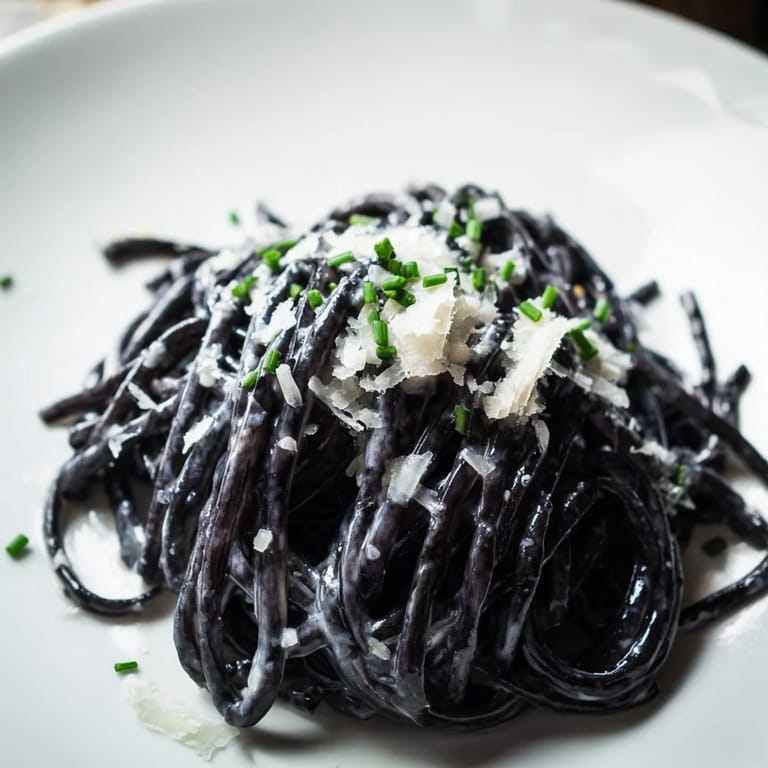
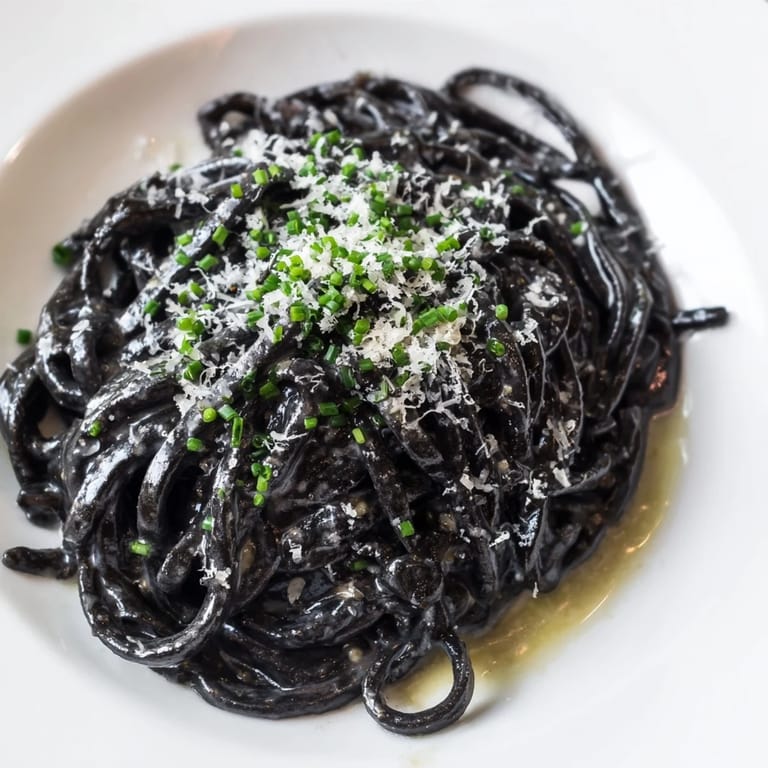
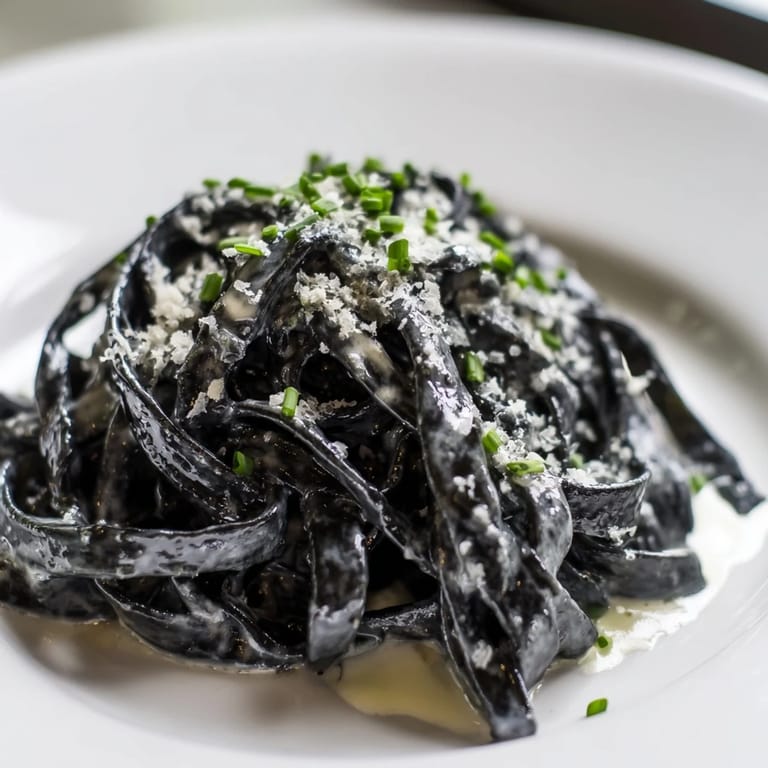
Save There's a moment when you plate squid ink pasta where the kitchen goes quiet—everyone stops talking to watch that glossy black nest land on white porcelain. I discovered this dish not in Italy, but in a tiny trattoria tucked behind a marketplace in Barcelona, where the chef seemed almost amused by how dramatically it transformed a simple dinner into theater. What started as curiosity about the ingredient became an obsession with recreating that silky, luxurious sauce that clung to every strand.
I made this for my partner on a rainy Tuesday when we were both tired and broke, and somehow it shifted the entire mood of the evening. There's something about serving something this visually striking that doesn't require takeout money—it feels like a small rebellion against the ordinary. That night taught me that cooking isn't always about impressing others; sometimes it's about reminding yourself that you're capable of creating something beautiful.
Ingredients
- Squid Ink Pasta (400g): The foundation of this dish, and honestly the ingredient that does most of the visual heavy lifting—look for it dried in Italian specialty shops or fresh in better groceries, and don't panic about the ink staining your hands because it washes right off.
- Unsalted Butter (2 tablespoons): Acts as the flavor base before the cream joins, and using unsalted gives you control over the final salt balance so you're not fighting an invisible salinity.
- Small Shallot (1, finely chopped): More delicate than onion and less aggressive than garlic, shallots dissolve into the sauce and add a whisper of sweetness that cream responds to beautifully.
- Garlic Cloves (2, minced): Just enough to let you know it's there without overpowering the creamy, briny elegance of the dish.
- Dry White Wine (150ml): The alcohol burns off and leaves behind complexity—use something you'd actually drink, like a Pinot Grigio or Vermentino, because cheap wine tastes cheap even after it evaporates.
- Heavy Cream (250ml): The real star player that transforms everything into silk and clings to the pasta like it was meant to be there from the beginning.
- Lemon Zest (1 teaspoon): A bright counterpoint to all that richness, preventing the sauce from feeling heavy despite how creamy it looks.
- Salt and Freshly Ground Black Pepper: Season to taste because everyone's palate is different and your hand is the best measuring device you have.
- Parmigiano-Reggiano (50g grated): The aged, crystalline finish that adds umami depth and prevents the dish from being one-note creamy.
- Chives (1 tablespoon, finely chopped): A last-minute green note that catches the light and reminds you this is fresh food, not just drama on a plate.
- Lemon Wedges (optional): For squeezing at the table so everyone can calibrate the brightness to their preference.
Tired of Takeout? 🥡
Get 10 meals you can make faster than delivery arrives. Seriously.
One email. No spam. Unsubscribe anytime.
Instructions
- Set up your pasta water:
- Fill a large pot with water and salt it generously—it should taste like a pleasant ocean. Bring it to a rolling boil before adding the pasta so it cooks evenly and doesn't stick together.
- Cook the pasta to perfect tenderness:
- Follow the package instructions for timing, but start tasting a minute before they say it's done because dried squid ink pasta can vary wildly in how long it takes. Reserve half a cup of that starchy pasta water before draining, which becomes your secret weapon for adjusting sauce consistency later.
- Build the sauce foundation:
- Melt butter in a large skillet over medium heat and watch it foam slightly—that's when you add the shallot and let it sit undisturbed for a minute before stirring, which helps it soften instead of brown. After 2-3 minutes when it turns translucent, add the garlic and count to 30 in your head because that's all it takes to become fragrant without turning bitter.
- Deglaze with wine:
- Pour in the white wine and listen for the sizzle—let it bubble away for 2-3 minutes so the harsh alcohol note disappears and you're left with just the wine's flavor. You'll smell the difference when it's ready; the sharpness softens into something rounder.
- Introduce the cream gently:
- Lower the heat to medium-low before adding cream because high heat can break it and make it grainy—you want this sauce to be velvet-smooth. Stir in the lemon zest at the same time and let everything simmer together for 2-3 minutes, watching for tiny bubbles at the edges rather than a rolling boil.
- Marry pasta and sauce:
- Add the drained pasta directly to the skillet and toss constantly so every strand gets coated and the starch in the water helps thicken everything into a glossy, clingy texture. If it looks too thick, splash in pasta water one tablespoon at a time—it's easier to add than to remove.
- Finish and serve immediately:
- Remove from heat, taste once more for salt and pepper, and plate right away while everything is hot and the sauce is at peak clinginess. The residual heat will continue cooking slightly, so don't overcook during tossing.
 Save
Save I once made this for a dinner party where someone admitted halfway through eating that they were nervous about the black pasta, worried it might taste like the ocean in a bad way. Watching them take that first bite and immediately relax into a smile—that's when I realized this dish is as much about breaking down assumptions as it is about technique. It became their go-to thing to request after that, which says everything about how approachable elegance can actually be.
The Science of Squid Ink
Squid ink itself has virtually no flavor—what you're tasting is brininess and umami depth, not actual fishiness. The magic is in how it stains everything it touches, turning the pasta into a visual statement that makes people lean closer to your plate. It's one of those ingredients where appearance does half the work, which means you're free to focus your energy on getting the sauce absolutely perfect.
Wine Pairing and the Perfect Crisp White
The white wine in the sauce isn't random—it needs to be something crisp and unoaked so it cuts through the cream without competing for attention. The same wine tastes brilliant in a glass alongside dinner, so consider opening a bottle that serves double duty on the cooking and drinking fronts. I learned this by accident when I used a wine I wouldn't have sipped and could taste that regret in every bite.
Making It Your Own
This recipe thrives on small additions that reflect what's in your kitchen or what your mood demands. I've added sautéed shrimp on nights when I wanted protein density, fresh peas when spring felt urgent, and roasted tomatoes when I wanted a contrast point to all that richness. The base is solid enough that it handles interpretation—think of it as a whisper-quiet canvas where anything you add will be heard clearly.
- Sautéed calamari or shrimp transforms this into something more substantial without overwhelming the delicate squid ink flavor.
- A handful of fresh peas or blanched asparagus adds color and texture that plays beautifully against the black.
- Crispy pancetta or prosciutto folded in at the very end adds saltiness and smoke if you want the dish to feel grounded and less purely elegant.
 Save
Save This pasta has become my go-to dish when I want to cook something that feels like a production without actually being complicated. It's a reminder that elegance and accessibility don't have to be separate things.
Recipe FAQs
- → Can I use fresh squid ink pasta instead of dried?
Yes, fresh squid ink pasta works beautifully. Reduce cooking time to 2-3 minutes instead of the package time for dried pasta. Fresh pasta cooks much faster, so watch carefully to achieve al dente texture.
- → What should I do if my cream sauce becomes too thick?
Simply thin it out with reserved pasta cooking water, adding one tablespoon at a time while stirring. The starchy water emulsifies with the cream, creating a silky sauce that clings to the pasta perfectly.
- → Can I make this dish ahead of time?
Prepare the cream sauce in advance and refrigerate it separately. Cook the pasta fresh just before serving, then combine them gently. Reheating finished pasta can make it mushy, so this method preserves the best texture.
- → What wine pairs best with this dish?
A crisp Italian white wine like Pinot Grigio complements the richness of the cream sauce and the briny squid ink. The acidity cuts through the fat beautifully and cleanses your palate between bites.
- → How can I enhance this dish further?
Sauté shrimp or calamari and fold them into the sauce for added seafood depth. Fresh herbs like parsley or dill work well too. A touch of truffle oil adds luxury, or crispy pancetta provides savory richness.
- → Is this suitable for pescatarians?
Yes, this dish is naturally pescatarian-friendly since it contains no meat. Dairy products and pasta are included, making it accessible to those following pescatarian diets. Always verify squid ink pasta sources for shellfish processing concerns.