 Save
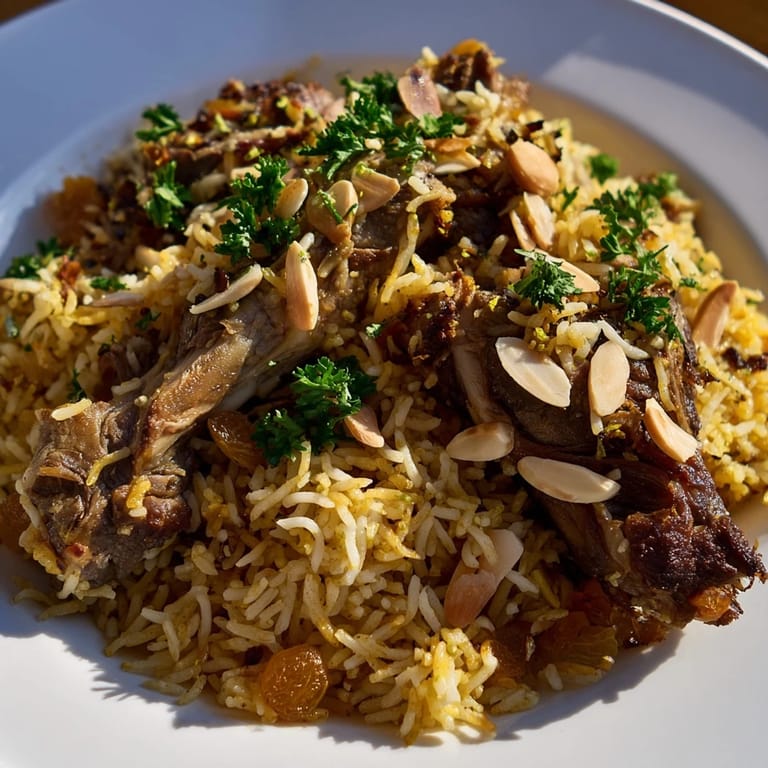
Save My first encounter with Kabsa came on a warm evening when my neighbor invited me to celebrate her son's return from university. The kitchen filled with layers of warm spice—cumin, cardamom, cinnamon—as she stirred a massive pot with such care that I knew this wasn't just dinner, it was a ritual. She caught me watching and smiled, explaining that every family guards their own version of this dish, and she was trusting me with hers. That night, I understood why Kabsa holds such a special place at the heart of Saudi celebrations.
I made this for friends who'd never tried Middle Eastern cooking, and watching their faces when they took that first forkful was pure joy. The meat had become so tender it nearly melted, the rice had absorbed every note of spice and stock, and somehow it all felt both substantial and refined. One friend asked for the recipe that night, and I realized that's when food becomes more than sustenance—it becomes a bridge between people.
Ingredients
- Bone-in lamb or chicken, 1 kg: The bone adds deep, rich flavor to the broth that will infuse every grain of rice, making this feel more luxurious than boneless cuts.
- Basmati rice, 3 cups: Rinsing and soaking prevents mushiness and helps each grain stay separate and fluffy, a technique that truly matters here.
- Ground cumin, coriander, cinnamon, cardamom, cloves, and allspice: This isn't a short spice list—together they create the soul of Kabsa, so don't skip any or substitute with generic curry powder.
- Dried black lime (loomi): This gives authentic Kabsa its signature tangy depth, though it's forgiving enough to omit if you can't find it.
- Golden raisins and toasted almonds: These aren't just garnish—they're bursts of texture and sweetness that balance the savory spice.
- Chicken or lamb stock, 5 cups: Using stock instead of water builds flavor from the first minute, so homemade is best if you have it.
Tired of Takeout? 🥡
Get 10 meals you can make faster than delivery arrives. Seriously.
One email. No spam. Unsubscribe anytime.
Instructions
- Build your flavor base with onions and meat:
- Heat oil and let the onions turn golden and sweet, about 8 minutes—this patience pays off. Then brown the meat on all sides, letting it develop a crust that seals in juices.
- Bloom the spices:
- Once garlic joins the pot, add all your spices immediately and let them toast for just a minute or two until the kitchen smells absolutely incredible. This small step transforms them from powder to perfume.
- Create a fragrant base sauce:
- Tomatoes and grated carrot add gentle body and sweetness to the broth, cooking down into the background where they'll flavor everything without announcing themselves.
- Simmer the meat until surrender:
- The low, long cook time—35 to 40 minutes for chicken, up to an hour for lamb—is where the magic happens. The meat becomes so tender it nearly falls apart, and the broth becomes deeply flavorful.
- Fold in the rice and finish together:
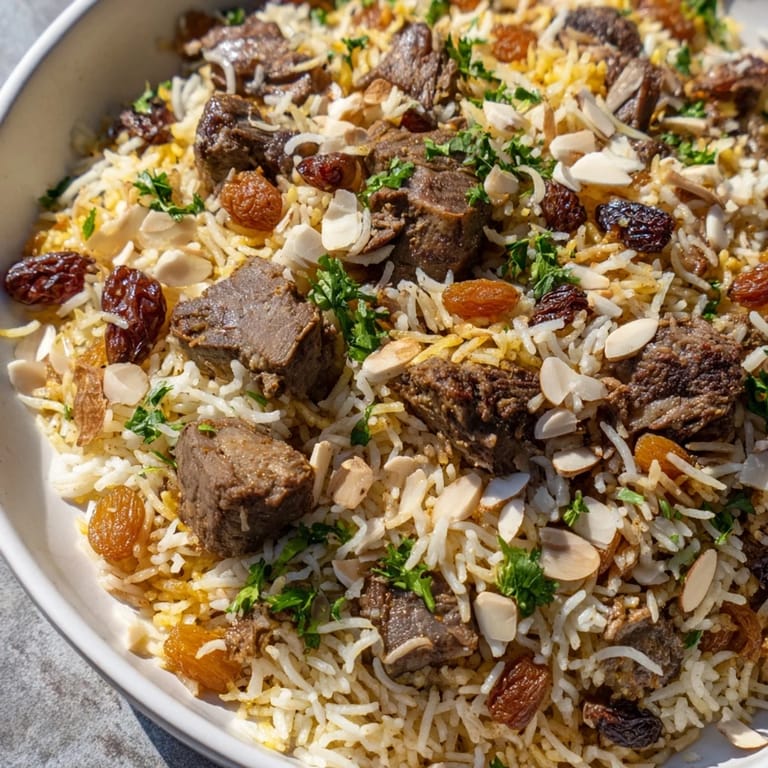
- Drain your soaked rice, stir it into the hot broth, and nestle the warm meat back into the pot so everything cooks as one unified dish. The raisins scatter on top like precious jewels.
- Let it steam into perfection:
- The final 25 to 30 minutes is a quiet moment—resist the urge to peek too often. When you lift the lid, the rice should be fluffy and every drop of liquid absorbed, with a faint crust on the bottom if you listen closely.
 Save
Save There's a moment near the end of cooking when you lift the pot lid and the steam rises with such fragrance that everyone in the kitchen stops and takes a breath together. That's when you know Kabsa is ready.
Why This Dish Matters
Kabsa isn't just rice with meat—it's how families in Saudi Arabia mark occasions and welcome guests into their homes. The careful layering of spices, the tender meat, the jeweled garnishes all signal that this meal comes from intention and care. When you make Kabsa, you're not following steps; you're honoring a tradition of generosity and celebration that spans generations and regions.
Customizing Your Kabsa
While this recipe follows the traditional path, Kabsa adapts beautifully to what you have and what you love. Some families skip the black lime and add a splash of lemon juice instead, others swap almonds for pistachios, and a few stir in pine nuts. The core—the spice blend, the slow cook, the way rice absorbs the broth—remains sacred, but the details invite your own signature.
Serving and Pairing
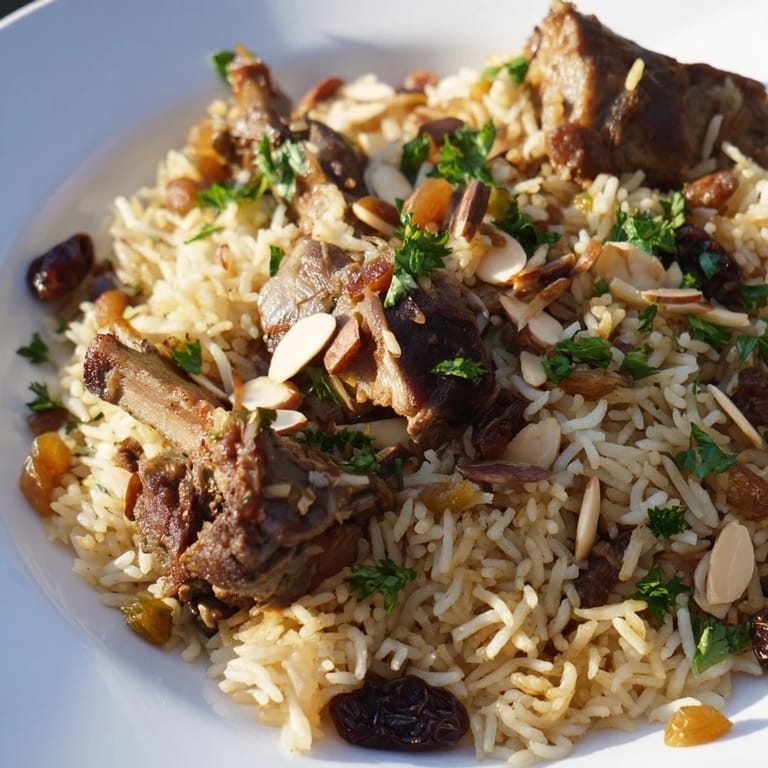
Kabsa shines brightest when you pile it high on a platter and let people serve themselves, each building their own proportion of rice to meat to garnish. A simple tomato-cucumber salad cools the palate between bites, while yogurt adds a creamy counterpoint to all that spice. Some traditions call for a small bowl of hot sauce on the side, for those who want to push the heat even further.
- Serve with cooling sides like cucumber-tomato salad and thick yogurt to balance the warming spices.
- If making ahead, store the cooked Kabsa in the refrigeridge for up to three days and warm gently with a splash of broth to restore moisture.
- This recipe feeds six generously, but doubles beautifully if you're feeding a crowd or want leftovers.
 Save
Save Once you've made Kabsa once, you'll find yourself reaching for it again and again. It's the kind of dish that tastes like celebration, warmth, and invitation all at once.
Recipe FAQs
- → What type of meat works best for this dish?
Bone-in lamb or chicken pieces provide rich flavor and tenderness when simmered with the spices and rice.
- → Can I prepare this dish without dried black lime (loomi)?
Yes, loomi adds a distinctive tang, but can be left out without compromising the overall flavor.
- → How should I prepare the rice for best results?
Rinse and soak basmati rice for 20 minutes before cooking to achieve fluffy, separate grains.
- → Are toasted almonds necessary for authenticity?
Toasted almonds add a lovely crunch and nutty aroma, enhancing the dish’s texture and presentation.
- → What side dishes complement this flavorful main course?
Simple tomato-cucumber salad and yogurt balance the spices and provide refreshing contrast.
- → Can I substitute the meat with beef?
Beef can be used as an alternative, though cooking times may vary; adjust accordingly for tenderness.