 Save
Save My neighbor handed me a jar of homemade guava paste one afternoon, insisting I do something interesting with it beyond the usual toast spread. That evening, standing in front of my open fridge with chicken thighs staring back at me, I wondered what would happen if I melted that tropical fruit into a BBQ sauce. The experiment turned into something unexpectedly magic—a glaze that tasted like summer, smoke, and a little Caribbean adventure all at once.
I made this for my sister's birthday dinner last summer, and she ate three thighs without saying much, which is her version of a standing ovation. Her kids asked for seconds, which never happens with anything slightly adventurous. Watching my family pass the extra sauce around the table reminded me that the best meals are the ones that surprise people just enough to make them pay attention.
Ingredients
- Guava paste: This is your secret weapon—it dissolves into the sauce and gives you that tropical depth that regular BBQ sauce could never achieve, so don't skip it or swap it thoughtlessly.
- Ketchup: Anchors the sauce with familiar tomato sweetness and helps everything emulsify smoothly.
- Apple cider vinegar: The tanginess cuts through richness and prevents the sauce from becoming one-note sweet.
- Brown sugar: Deepens the caramel notes and helps the glaze stick to the chicken as it roasts.
- Worcestershire sauce: Check the label for gluten if that matters to you—it adds an umami punch that rounds out all the flavors.
- Dijon mustard: A spoonful brings subtle sharpness and helps bind the sauce together.
- Garlic, smoked paprika, cayenne: These three work together to keep the sweetness grounded with smoke and heat instead of letting it drift into dessert territory.
- Chicken thighs: Bone-in and skin-on are non-negotiable here—they stay juicy while the skin crisps up beautifully under the glaze.
- Olive oil: Pat your chicken dry first, then rub it down so the seasoning sticks and the skin can brown.
Tired of Takeout? 🥡
Get 10 meals you can make faster than delivery arrives. Seriously.
One email. No spam. Unsubscribe anytime.
Instructions
- Heat your oven and prep your stage:
- Set the oven to 400°F and line a baking sheet with foil or parchment—this makes cleanup so much easier when that glaze caramelizes and drips. You want to be ready to slide the chicken in without fumbling.
- Build your tropical sauce:
- Combine guava paste, ketchup, vinegar, brown sugar, Worcestershire, mustard, garlic, paprika, and cayenne in a saucepan over medium heat. Stir constantly as the guava paste melts—you'll smell it transform from fruity to something deeper and more complex within a couple of minutes. Let it simmer for 5 to 7 minutes until it thickens slightly and coats the back of a spoon, then set it aside.
- Season and dry your chicken:
- Pat those thighs completely dry with paper towels—this is the step that makes the difference between skin that steams and skin that actually crisps. Rub them all over with olive oil, salt, pepper, and garlic powder, getting into every nook.
- First roast naked:
- Lay the chicken skin-side up on your prepared sheet and roast for 25 minutes without any glaze. This head start renders some of the fat and starts the browning process so your final glaze actually sticks to something golden instead of pale skin.
- Glaze, roast, and repeat:
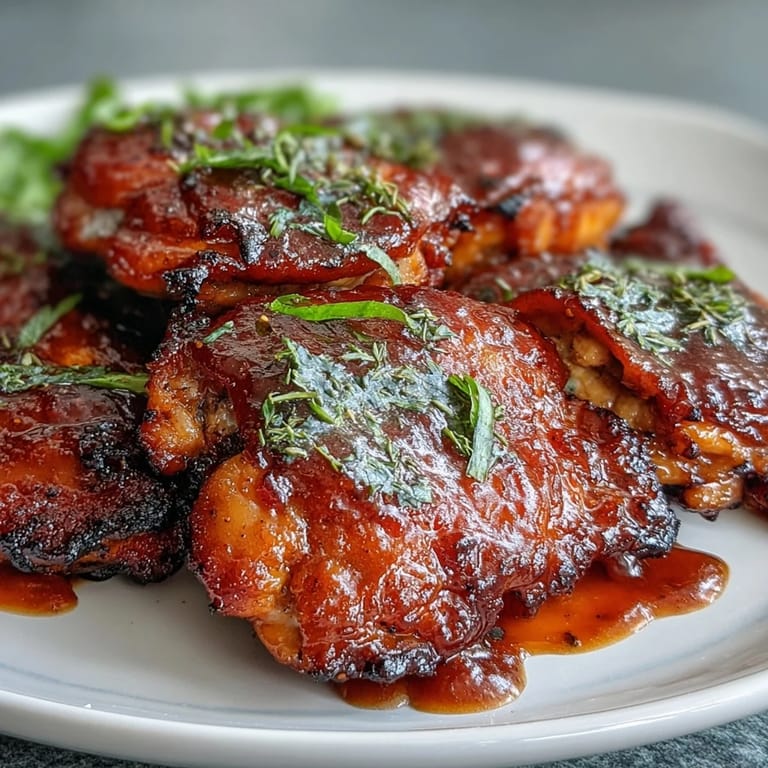
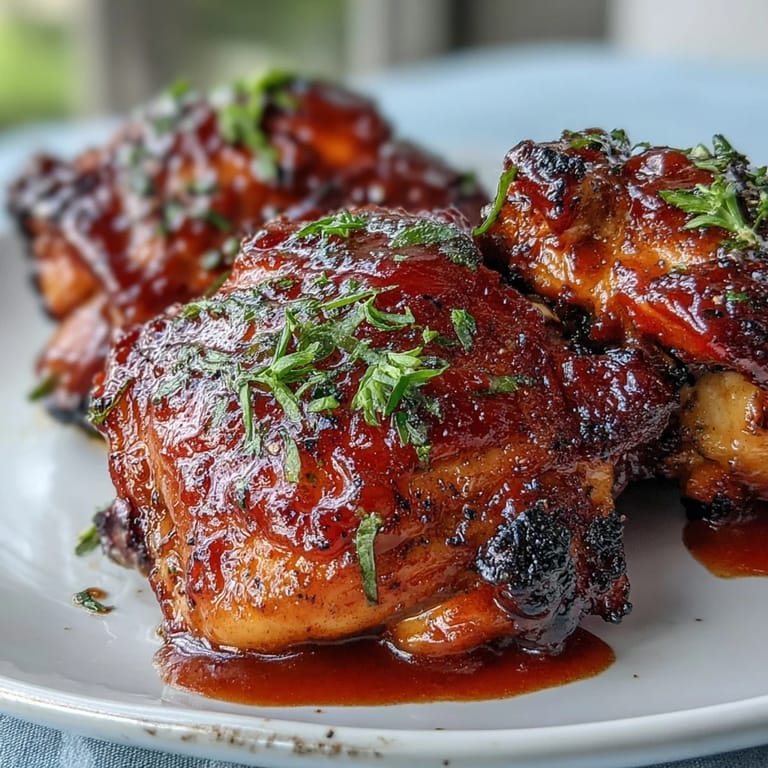
- Pull the chicken out, brush it generously with that guava sauce—don't be shy—and return it to the oven for 20 to 25 minutes. About halfway through, brush again with more sauce so you build up layers of sticky, caramelized goodness. The internal temperature should hit 165°F when you check the thickest part of the thigh.
- Rest before serving:
- Let the chicken sit for 5 minutes on the hot pan—those juices need a moment to settle back into the meat so every bite stays tender.
 Save
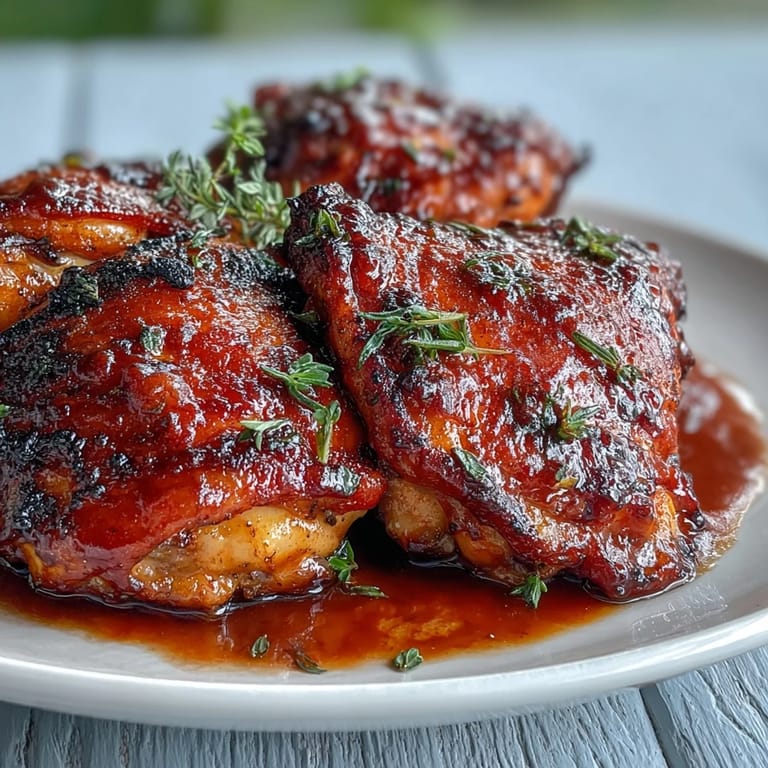
Save There's a moment when you pull the chicken out the second time and the glaze has caught just enough heat to go from sticky to glossy to almost caramelized, and your kitchen smells like a place you've never actually been but desperately want to visit. That's when you know something's gone right.
What Brings Out the Best in This Dish
The guava sauce actually improves over time, so make it the day before if you can—the flavors settle and marry together into something deeper. Store it in a covered container in the fridge and it'll keep for up to a week, which means you can have tropical BBQ chicken whenever the craving hits without the sauce-making part slowing you down.
Sides That Make Sense Here
Grilled pineapple echoes the tropical vibe and tastes incredible when it picks up a little char alongside the chicken. Cilantro lime rice soaks up any extra sauce that pools on your plate, and roasted vegetables like sweet potato or bell peppers ground the meal without fighting the glaze for attention.
Taking This Sauce Further
Once you master this on chicken, you'll start wondering about it on pork ribs, grilled shrimp, or even roasted duck—and honestly, it works beautifully everywhere. The sauce is flexible enough to become your secret weapon for any protein that needs a little tropical swagger. Keep these tips in mind for your next adventure:
- If you want more heat, add the full cayenne or even a pinch more—the guava's sweetness can handle it.
- A quick broil under high heat for 2 to 3 minutes at the very end creates that charred, restaurant-quality finish.
- Any leftover sauce makes an excellent condiment for sandwiches, tacos, or even as a dipping sauce for appetizers.
 Save
Save This dish reminds me why I love cooking—because sometimes the best ideas come from a neighbor's homemade gift and curiosity about what might happen. Make it for people you want to impress or for yourself on a night when you deserve to eat like you're on vacation.
Recipe FAQs
- → What does guava BBQ sauce taste like?
Guava BBQ sauce offers a unique blend of sweet tropical fruit flavor balanced with tangy vinegar and smoky spices. The guava adds floral sweetness that pairs beautifully with traditional barbecue elements, creating a sauce that's both familiar and exotic.
- → Can I use chicken breasts instead of thighs?
Yes, boneless skinless chicken breasts work well. Reduce roasting time to 15-20 minutes initially, then glaze and finish for another 10-15 minutes until internal temperature reaches 165°F. Breasts may cook faster, so watch closely to prevent drying.
- → What can I substitute for guava paste?
Guava jelly or membrillo are direct substitutes. For a different tropical twist, try mango or pineapple preserves. These alternatives maintain the sweet fruit element while offering slightly different flavor profiles that still complement the barbecue base.
- → How long can I store the guava BBQ sauce?
The homemade sauce keeps refrigerated in an airtight container for up to one week. Allow it to cool completely before storing. Reheat gently on the stove or in the microwave before using, adding a splash of water if needed to restore consistency.
- → Is this dish gluten-free?
Yes, when using gluten-free Worcestershire sauce, this dish is naturally gluten-free. Always check labels on packaged ingredients like ketchup and condiments to verify they meet your dietary requirements. The sauce thickens beautifully without any wheat-based thickeners.
- → How do I get the best caramelization on the glazed chicken?
For ultimate caramelization, brush the sauce on during the final 20-25 minutes of roasting. For extra char and stickiness, finish under the broiler for 2-3 minutes after glazing—watch closely to prevent burning. The natural sugars in the guava create a gorgeous amber coating.