 Save
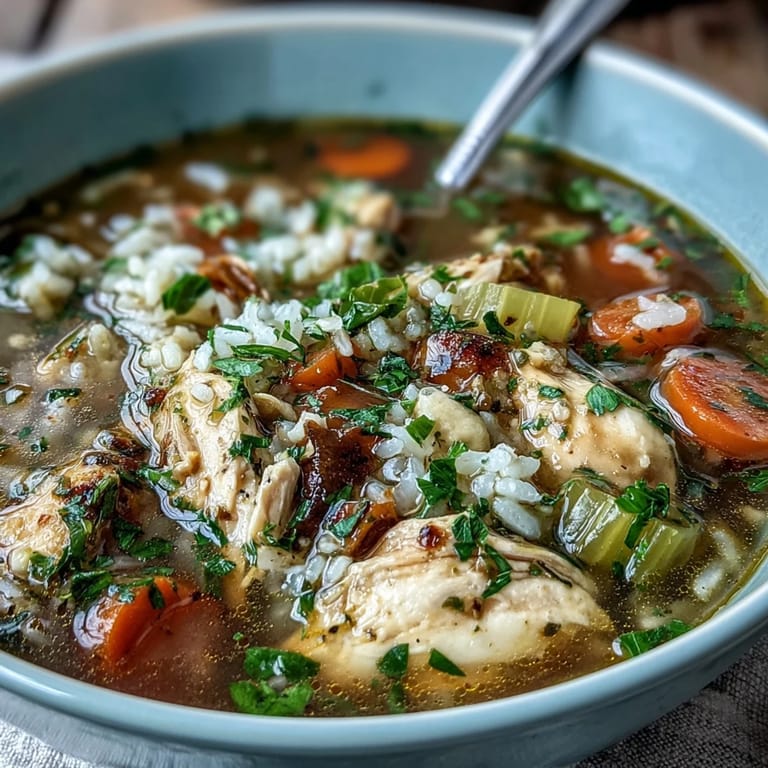
Save There's something about a one-pot meal that catches you on a Tuesday evening when you're running low on energy and high on hunger. I discovered this soup by accident, really—I had chicken thawing, a pot that needed using, and about thirty minutes before people were showing up for dinner. What emerged was so effortlessly good that I've made it dozens of times since, each time convinced it tastes even better than the last.
My neighbor brought over her son one afternoon after school, and I threw this soup together while they sat at the counter. Watching that kid devour two bowls without complaint—no picking, no complaints about texture—told me everything I needed to know. When he asked for the recipe to make at home, I knew I'd stumbled onto something genuinely special.
Ingredients
- Boneless, skinless chicken breasts (2, about 400 g): Cut into bite-sized pieces so they cook quickly and distribute evenly throughout the pot; this size also makes eating the finished soup infinitely more pleasant.
- Medium onion (1): Finely chopped onions melt into the broth and become the flavor foundation everything else builds on.
- Carrots (2): Peel and slice them so they soften at the same pace as the rice, creating that perfect tender-but-not-mushy texture.
- Celery stalks (2): Sliced celery adds a subtle sweetness and depth that elevates this from simple to genuinely layered.
- Garlic cloves (3): Minced garlic blooms when it hits the hot oil, filling your kitchen with that unmistakable aroma that signals something good is happening.
- Long-grain white rice (2/3 cup, 120 g): Rinsing the rice removes excess starch so each grain stays separate rather than turning the broth starchy and murky.
- Low-sodium chicken broth (6 cups, 1.5 liters): The foundation of everything; low-sodium lets you control the seasoning and prevents an overly salty final dish.
- Olive oil or unsalted butter (1 tablespoon): Either works beautifully; the oil keeps it dairy-free while butter adds a whisper of richness.
- Dried thyme (1 teaspoon): Thyme has a gentle earthiness that pairs perfectly with chicken and rice without overpowering delicate flavors.
- Bay leaf (1): This single leaf adds complexity to the broth; always remove it before serving or you'll have someone's confused face when they bite into it.
- Black pepper (1/2 teaspoon): Freshly ground pepper makes an enormous difference in how alive this soup tastes.
- Salt (3/4 teaspoon): Start here and taste at the end; you can always add more but you cannot take it back.
- Fresh parsley (2 tablespoons, chopped): The final flourish that adds color and a fresh brightness that cuts through the richness.
- Lemon wedges (optional): A squeeze of lemon at the table transforms this soup into something almost bright and springlike.
Tired of Takeout? 🥡
Get 10 meals you can make faster than delivery arrives. Seriously.
One email. No spam. Unsubscribe anytime.
Instructions
- Start with the aromatics:
- Heat your oil or butter in a large pot over medium heat and add the onion, carrots, and celery. Sauté for about 5 minutes, stirring occasionally, until the vegetables soften and the kitchen fills with that golden, welcoming smell.
- Wake up the garlic:
- Add the minced garlic and cook for just 1 minute until fragrant—this short time is crucial because garlic can turn bitter if overcooked, but it transforms the entire pot when given the right moment to bloom.
- Brown the chicken gently:
- Stir in your chicken pieces and cook for 2 to 3 minutes, letting them get lightly golden on the outside; they don't need to be fully cooked since they'll finish in the broth.
- Build the soup:
- Add the rice, broth, thyme, bay leaf, salt, and pepper, stirring everything together so the seasonings distribute evenly and nothing sticks to the bottom.
- Simmer with patience:
- Bring everything to a boil, then reduce heat to a gentle simmer, cover the pot, and let it cook undisturbed for 20 to 25 minutes. The rice will absorb the broth gradually, the chicken will turn perfectly tender, and your entire home will smell like comfort.
- Finish and taste:
- Remove that bay leaf, taste a spoonful of broth, and adjust the salt and pepper to your preference—this moment of tasting and adjusting is where good soup becomes your soup.
- Garnish and serve:
- Stir in the fresh parsley right before ladling into bowls, and offer lemon wedges on the side for anyone who wants to add brightness.
 Save
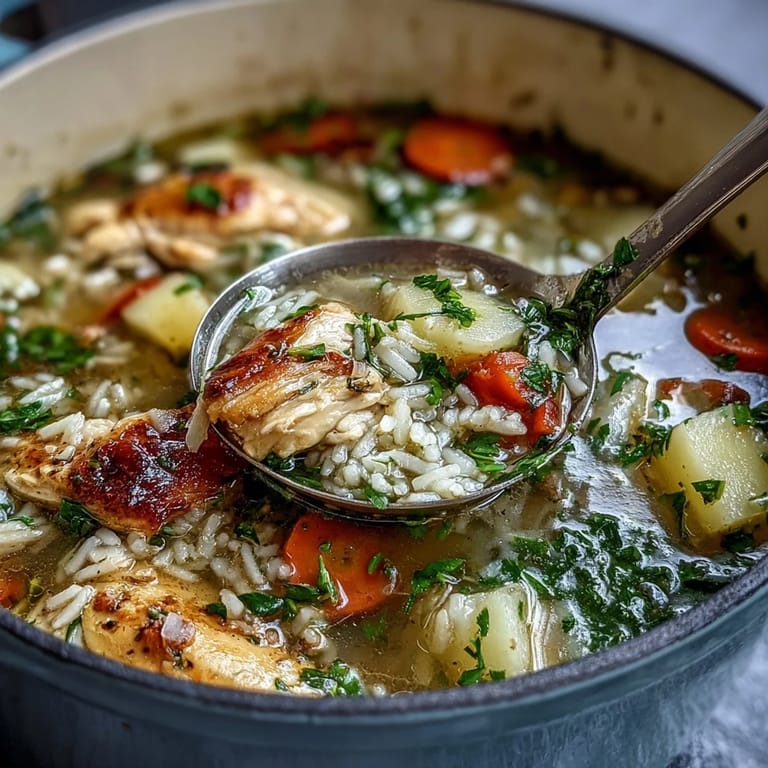
Save There was an evening when my partner came home particularly worn down, and I had this soup waiting. Watching someone you care about take a spoonful and exhale with visible relief—that's when you understand that cooking isn't really about technique or ingredients, it's about what you're actually offering.
The Magic of One-Pot Cooking
There's a reason home cooks everywhere have fallen in love with one-pot meals, and it's not just about cleanup, though that's certainly a bonus. When everything cooks together, the flavors mingle and build on each other in ways they simply cannot if you're juggling multiple pans. The chicken releases subtle juices into the broth, the vegetables soften and sweeten, and the rice drinks in all that golden depth—by the time you serve it, there's a coherence to the dish that feels whole and intentional.
Variations That Keep This Fresh
Once you've made this soup a few times and it lives in your hands, it becomes a canvas for what you have around you. Brown rice creates an earthier, nuttier version that takes longer but rewards patience; spinach or kale stirred in during the final minutes adds a peppery freshness without overwhelming the dish. Some cooks swear by adding a Parmesan rind while it simmers, removing it before service, and I cannot argue with the subtle umami depth it adds.
Reheating and Storage Wisdom
Leftovers from this soup actually improve as flavors meld overnight, but they thicken considerably because the rice continues its slow absorption even as the soup sits in the refrigerator. When you reheat, keep extra broth on hand to loosen it back to the consistency you prefer; it's better to add a splash more liquid than to serve something that feels gluey. This soup freezes beautifully for up to three months, though you may want to slightly undercook the rice if you're planning ahead, since it softens further upon reheating.
- Store in an airtight container and reheat gently on the stovetop rather than the microwave for better texture.
- If you're freezing, leave a bit of headspace at the top of the container since the soup expands as it freezes.
- A fresh handful of parsley stirred in just before serving makes reheated soup taste like you just made it.
 Save
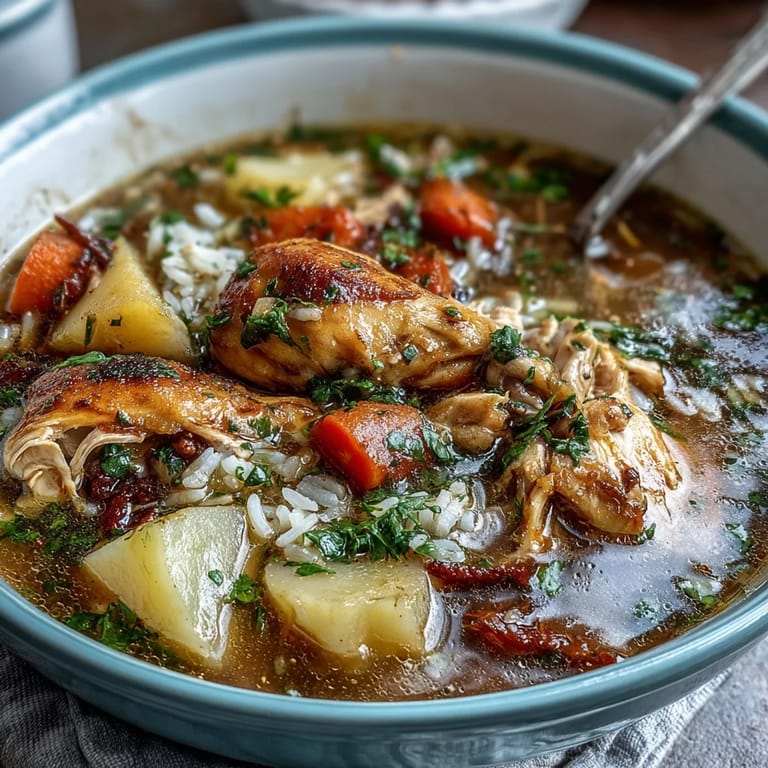
Save This soup has become my default answer when someone asks what to make when you're short on time but long on the desire to feed people something real. It's the kind of dish that quietly proves that the best meals don't require complexity, just attention and ingredients treated with respect.
Recipe FAQs
- → What type of rice works best for this dish?
Long-grain white rice is recommended for a tender, fluffy texture. Brown rice can be used but requires longer cooking time.
- → Can I use a different protein instead of chicken?
Yes, boneless cuts like turkey or firm white fish pieces can be substituted, adjusting cooking times accordingly.
- → How can I add more vegetables to this meal?
Spinach or kale can be stirred in during the last 5 minutes of cooking for added greens and nutrients.
- → Is it possible to make this dish dairy-free?
Using olive oil instead of butter keeps it dairy-free without sacrificing flavor.
- → How to prevent the soup from thickening when reheated?
Add additional broth or water to loosen the texture, as rice continues to absorb liquid upon reheating.