 Save
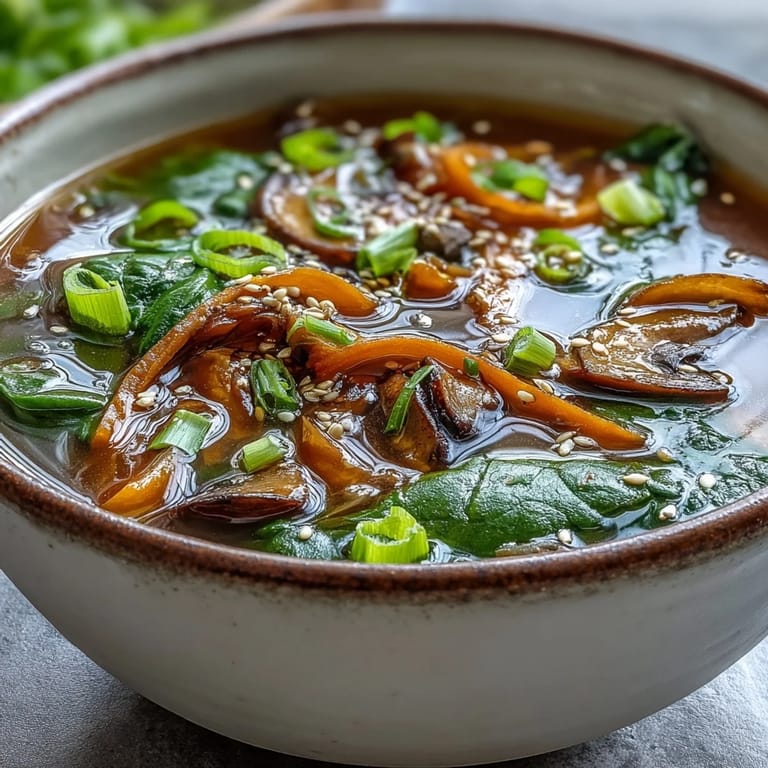
Save Last winter, when I was battling a particularly nasty cold, I stumbled upon this Miso Ginger Winter Soup recipe that honestly changed everything. The steam rising from the pot, carrying that pungent ginger fragrance through my stuffy kitchen, felt like medicine before I'd even taken a sip. Something about the delicate balance of earthy mushrooms with the bright zip of ginger made this an instant comfort food that doesn't weigh you down like most winter meals.
I first made this soup for my neighbor who had just moved from Japan and was feeling homesick during our harsh Midwestern February. While she laughed gently at my clumsy knife skills with the ginger, she closed her eyes with the first spoonful and said it reminded her of her mothers cooking on rainy days. We sat by my window watching snow fall, steam fogging up the glass as we talked about the healing properties her grandmother attributed to miso soup.
Ingredients
- Miso paste: I learned through several batches that white miso gives a gentler, sweeter flavor that lets the ginger shine, while red miso creates a deeper, more intense soup if thats what youre craving.
- Fresh ginger: Please dont substitute powdered here - the fresh slices infuse the broth with aromatic oils that powder simply cant match.
- Shiitake mushrooms: Their meaty texture transforms this light soup into something satisfying, and they soak up all the flavors like tiny sponges.
- Vegetable broth: I once accidentally used a tomato-heavy vegetable broth and it completely threw off the delicate balance, so stick with a clean, simple broth if possible.
- Bok choy or spinach: These tender greens wilt beautifully and add a fresh element that brightens the whole soup.
Tired of Takeout? 🥡
Get 10 meals you can make faster than delivery arrives. Seriously.
One email. No spam. Unsubscribe anytime.
Instructions
- Create your aromatic base:
- Start by bringing your vegetable broth to that perfect gentle simmer where tiny bubbles just begin to break the surface. Add your ginger and garlic slices, then let the fragrances bloom and mingle - youll know its working when your kitchen starts to smell like a spa.
- Add the heartier vegetables:
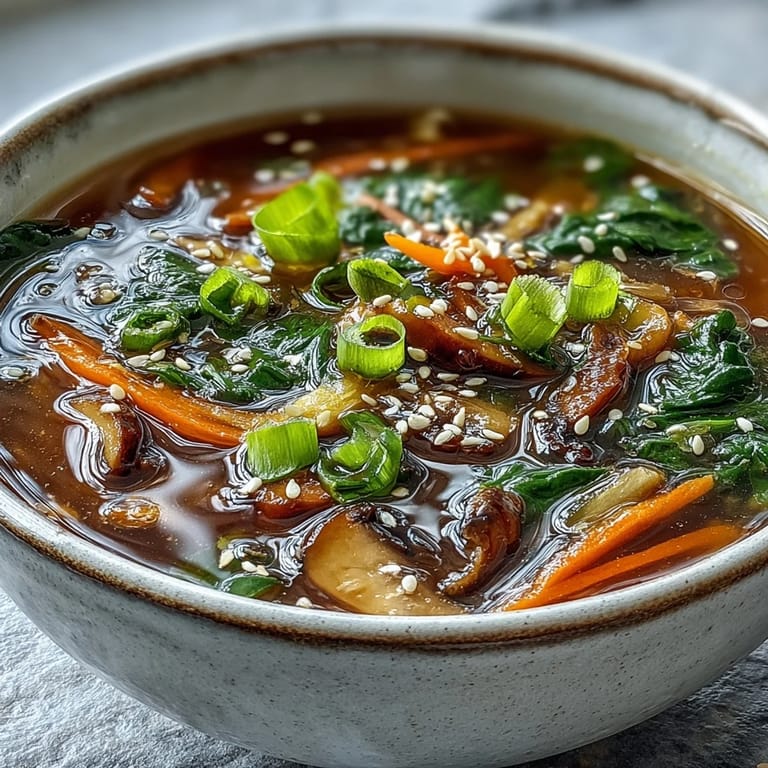
- Once your broth is fragrant, introduce the mushrooms and carrots, watching as they gradually soften and take on the golden hue of the broth. The carrots will maintain a slight crunch, giving texture to each spoonful.
- Master the miso technique:
- This is crucial - never boil miso directly in your soup pot. Instead, ladle some hot broth into a separate bowl and whisk your miso until it dissolves completely, then return this silky mixture to your pot with the heat turned low.
- Finish with delicate ingredients:
- Add your leafy greens and green onions just before serving, stirring until they surrender to the hot broth. Theyll maintain their vibrant color and nutritional value this way.
- Garnish with intention:
- Each topping serves a purpose - sesame seeds for nutty crunch, cilantro for brightness, and a drizzle of chili oil for warming heat. Choose combinations that speak to your mood that day.
 Save
Save  Save
Save During a particularly brutal cold snap last January, I started making a double batch of this soup every Sunday evening. My ritual became setting a pot of it simmering while I prepped for the week ahead. The gentle bubbling sound and steamy windows created this cocoon of warmth that made winter feel purposeful rather than just something to endure. One evening, my roommate wandered in following the aroma, bowl in hand before even saying hello.
Customization Ideas
This soup becomes an entirely different experience when you add protein elements. Ive dropped in cubes of silken tofu that absorb the broth like flavor sponges, or sometimes thinly sliced chicken for friends who insist a meal isnt complete without meat. The subtle miso broth adapts beautifully to these additions without losing its essential character, much like how a good host makes room for unexpected guests.
Seasonal Adaptations
Though designed as a winter warmer, this soup transforms beautifully with the seasons. In spring, I swap in tender asparagus tips and fresh peas that pop sweetly against the savory broth. Summer versions have featured corn kernels and cherry tomatoes that burst with each spoonful. Fall brings opportunities for hearty mushroom medleys beyond just shiitake, each variety bringing its own earthy personality to the bowl.
Making It a Complete Meal
The simplicity of this soup belies how easily it becomes a substantial meal with thoughtful additions. I discovered this by accident one night when I had unexpected dinner guests and needed to stretch what was supposed to be a light starter.
- Cook soba or udon noodles separately and add them to individual bowls before ladling the hot soup over them, preventing them from becoming soggy if you have leftovers.
- A soft-boiled egg with a jammy center adds richness and protein that transforms this light soup into something that will keep you satisfied for hours.
- For texture contrast that makes each spoonful interesting, sprinkle homemade or store-bought crispy onions on top just before serving.
 Save
Save 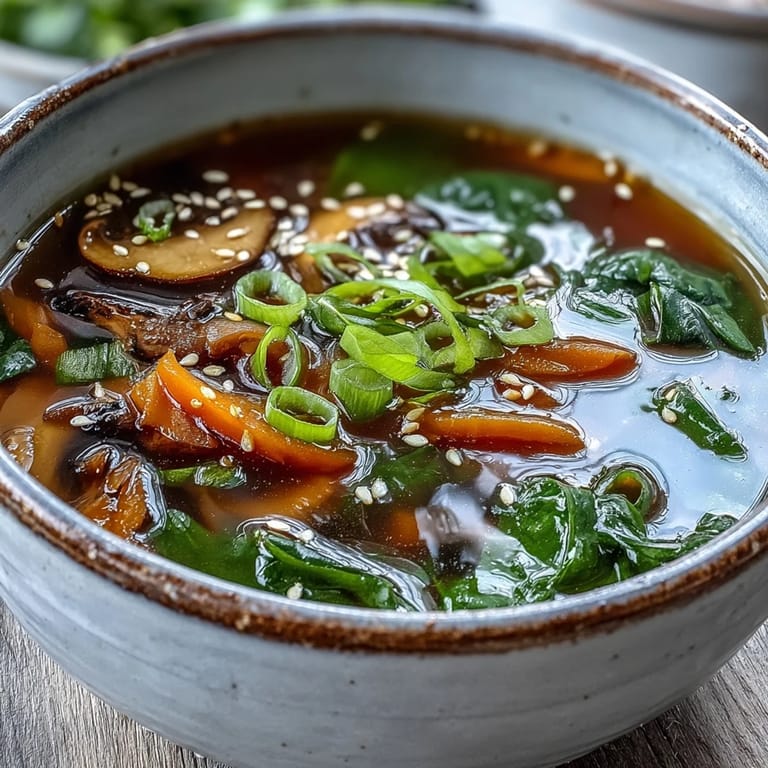 Save
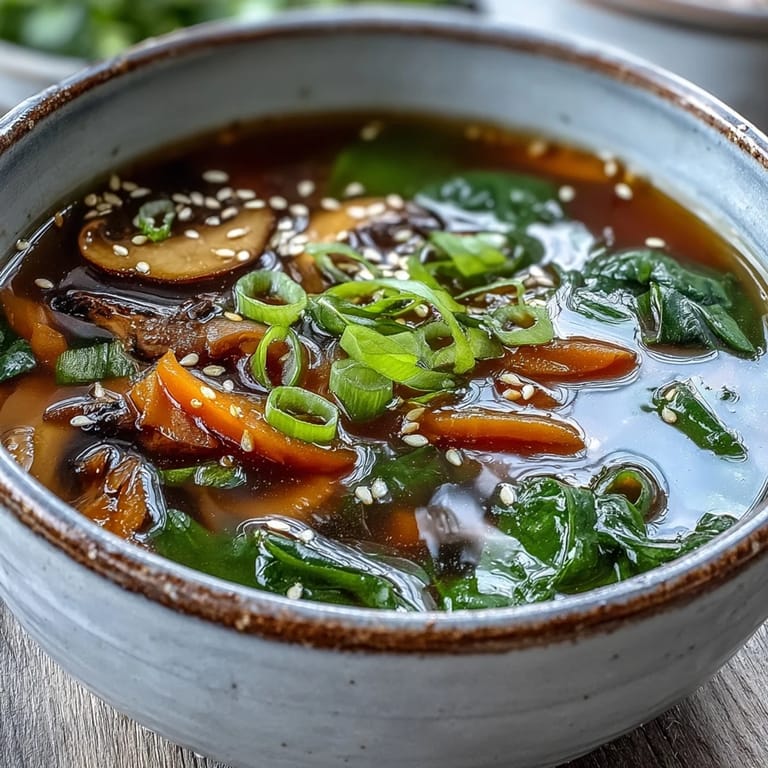
Save This miso ginger soup has become my offering to friends feeling under the weather, new parents too exhausted to cook, and neighbors just needing a bit of warmth. The magic of it isnt just in the healing ingredients, but in how it carries care from one kitchen to another.
Recipe FAQs
- → Can I use different types of miso?
Yes, white or yellow miso works best for a lighter flavor. Red miso provides a deeper, more intense taste if preferred.
- → How do I store leftovers?
Store in an airtight container in the refrigerator for up to 3 days. Reheat gently over low heat without boiling to preserve probiotic benefits.
- → Can I make this gluten-free?
Ensure your miso paste and vegetable broth are certified gluten-free, as some brands contain wheat or barley.
- → What vegetables can I substitute?
Kale, Swiss chard, or napa cabbage work well instead of spinach. Other mushrooms like button or oyster varieties can replace shiitakes.
- → Why shouldn't I boil the miso?
High heat destroys the beneficial probiotics in miso paste. Always stir it in at the end and keep the temperature below a simmer.
- → Can I add protein?
Cubed silken tofu, edamame, or cooked shredded chicken make excellent protein additions without overpowering the delicate flavors.