 Save
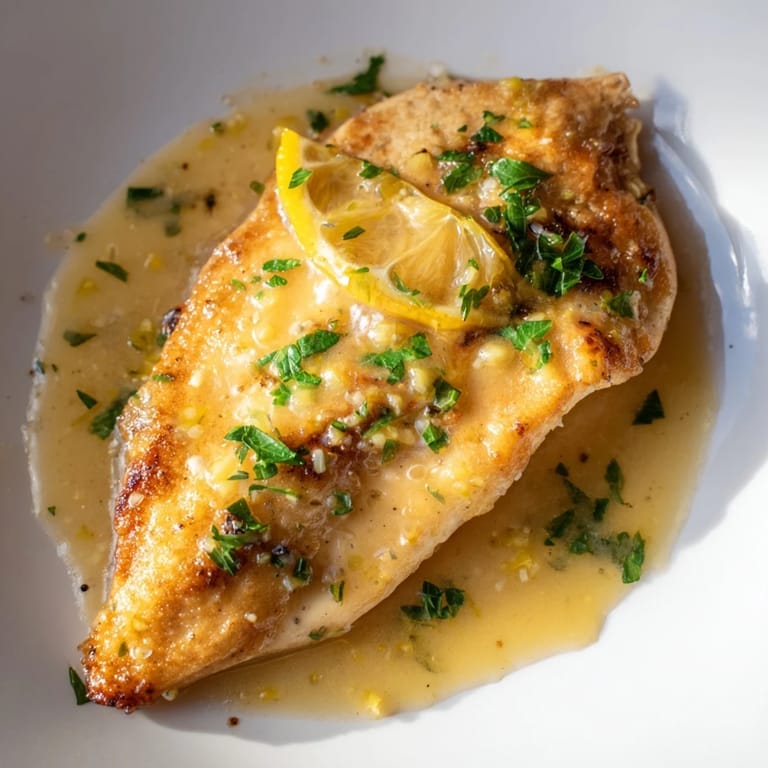
Save There was this Tuesday evening when I had exactly thirty minutes before everyone needed to be out the door again, and I threw together this lemon pepper chicken mostly out of desperation. The skillet was still warm from lunch, the lemons were sitting on the counter, and I figured butter and citrus could fix just about anything. What I didn't expect was how quiet the kitchen got once that garlicky, peppery steam started rising—everyone just sort of wandered in and stayed. Now it's the dish I make when I want something that feels fancy but doesn't ask much of me.
I made this for my sister the night before she moved across the country, and we ate it straight from the skillet with forks, standing at the stove. She kept dragging her chicken through the sauce pooled at the bottom, and we didn't talk much, just chewed and listened to the rain outside. She texted me a week later asking for the recipe, and I realized I'd never written it down. That's when I knew it had become one of those dishes that sticks with you, not because it's complicated, but because it shows up right when you need it.
Ingredients
- Boneless, skinless chicken breasts: Pat them really dry before seasoning or they won't get that golden crust, and try to find pieces that are similar in thickness so they cook evenly.
- Salt and black pepper: Season generously—this isn't the time to be shy, especially with the pepper, since it builds the backbone of the whole dish.
- All-purpose flour: A light dredge gives the chicken a subtle crust and helps the sauce cling; use gluten-free flour if needed, it works just as well.
- Olive oil: It has a higher smoke point than butter alone, so you get a good sear without burning.
- Unsalted butter: This is where the richness comes from; using unsalted lets you control the saltiness of the sauce.
- Garlic: Mince it finely so it melts into the butter without burning—thirty seconds is all it needs.
- Lemon zest and juice: The zest gives you that bright, aromatic oil, and the juice adds the tangy punch; use a fresh lemon, not bottled.
- Freshly ground black pepper: Crack it fresh for the sauce—it makes a noticeable difference in flavor and aroma.
- Fresh parsley: Optional, but it adds a pop of color and a tiny herbal note that balances the richness.
Tired of Takeout? 🥡
Get 10 meals you can make faster than delivery arrives. Seriously.
One email. No spam. Unsubscribe anytime.
Instructions
- Prep the Chicken:
- Pat each breast completely dry with paper towels, then season both sides with salt and pepper. This step matters more than you think—moisture is the enemy of a good sear.
- Dredge Lightly:
- Drag each piece through the flour, then shake off the excess so you have just a thin, even coating. Too much flour and it gets gummy.
- Sear the Chicken:
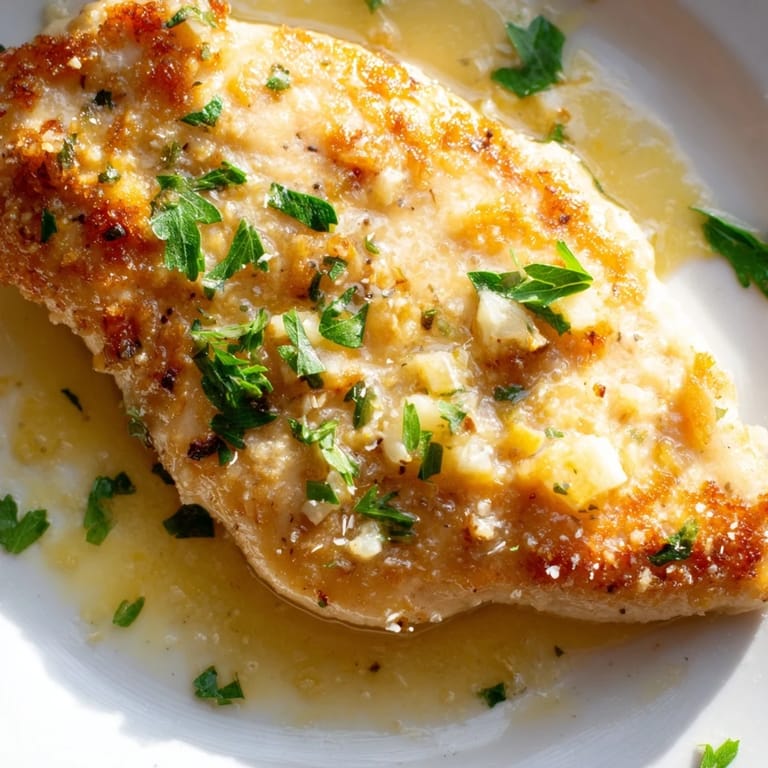
- Heat the olive oil in a large skillet over medium-high heat until it shimmers, then lay the chicken in gently and let it cook undisturbed for 5 to 6 minutes per side. You want a golden-brown crust and an internal temperature of 74°C or 165°F, then move the chicken to a plate and cover it loosely with foil.
- Build the Sauce:
- Lower the heat to medium, drop in the butter, and let it melt and foam. Add the garlic and stir for just 30 seconds until it smells toasty and sweet.
- Add the Lemon:
- Toss in the lemon zest, juice, and black pepper, then let it bubble for a minute or two, scraping up all those browned bits stuck to the pan. That's where the flavor lives.
- Finish and Serve:
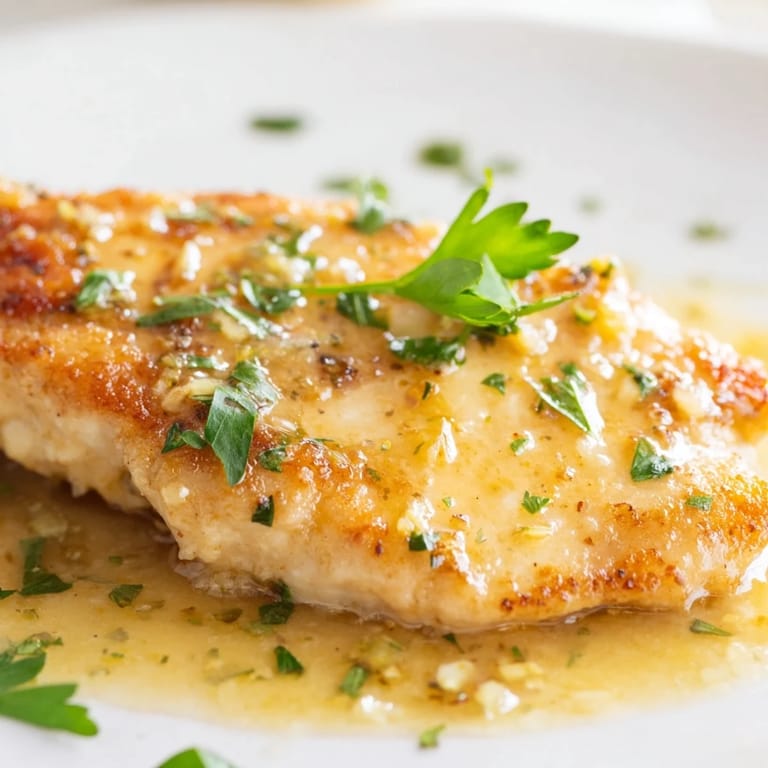
- Slide the chicken back into the skillet, spoon the sauce over the top, and let everything warm together for another minute or two. Sprinkle with parsley if you have it, then serve right away while the sauce is still glossy.
 Save
Save One night I made this for a friend who said she didn't like chicken, and halfway through her second piece she looked up and said, maybe I just don't like boring chicken. We both laughed, but she was right—this version doesn't taste like something you're eating because you should. It tastes like something you'd choose, even on a night when you could have anything.
What to Serve It With
This chicken plays well with almost anything that can soak up the sauce. I've served it over jasmine rice, next to a pile of buttery mashed potatoes, and alongside roasted asparagus or a big green salad with a sharp vinaigrette. The sauce is so good you'll want something on the plate to catch every last drop. If you're feeling indulgent, a crusty piece of bread for mopping works wonders too.
How to Store and Reheat
Leftovers keep in an airtight container in the fridge for up to three days, and honestly, they taste even more lemony the next day once the flavors settle. Reheat gently in a skillet over low heat with a splash of water or chicken broth to loosen the sauce—don't microwave it on high or the chicken will turn rubbery. If you're packing it for lunch, slice it thin and toss it with greens and a little extra lemon juice for a cold chicken salad that doesn't need reheating at all.
Little Tweaks That Make a Difference
If you like heat, a pinch of red pepper flakes in the sauce adds a gentle kick without overpowering the lemon. Swap the chicken breasts for bone-in thighs if you want something richer and more forgiving—just add a few extra minutes to the cooking time. You can also finish the dish with a handful of capers or a few thin slices of preserved lemon if you want to lean into the briny, Mediterranean side of things.
- Use chicken thighs for more flavor and a little extra fat that keeps things juicy.
- Try adding capers or a splash of white wine to the sauce for a grown-up twist.
- Double the sauce if you're serving this over pasta or rice—you'll want extra.
 Save
Save This is the kind of recipe that grows with you—it's easy enough for a weeknight, impressive enough for company, and flexible enough to make your own. I hope it finds a spot in your regular rotation the way it has in mine.
Recipe FAQs
- → How do I know when the chicken is fully cooked?
The chicken is done when it reaches an internal temperature of 74°C (165°F) when measured with a meat thermometer at the thickest part. You can also check by cutting into the thickest piece—the meat should be white throughout with no pink.
- → Can I use chicken thighs instead of breasts?
Yes, chicken thighs work wonderfully as they stay juicier during cooking. Increase the cooking time to 7-8 minutes per side since thighs are thicker than breasts. The sauce remains the same.
- → What should I serve with this chicken?
This pairs excellently with rice, mashed potatoes, roasted vegetables, or a simple green salad. The lemon-pepper sauce complements lighter sides particularly well. For wine pairing, try a crisp Chardonnay or Sauvignon Blanc.
- → How can I make the sauce less acidic?
If the lemon juice is too strong for your taste, reduce the amount to 2 tablespoons instead of 3, and add an extra tablespoon of butter for richness. You can also simmer the sauce a bit longer to mellow the acidity.
- → Can I prepare this ahead of time?
This dish is best served immediately while warm. However, you can prep ingredients in advance—season the chicken and make the sauce components ahead. Cook everything fresh just before serving for the best texture and flavor.
- → Is this gluten-free?
The dish can be made gluten-free by substituting the all-purpose flour with gluten-free flour. All other ingredients are naturally gluten-free, though always check labels for cross-contamination if you have celiac disease.