 Save
Save I was standing in front of the freezer one Wednesday evening, staring at a packet of frozen peas and a fillet of haddock, wondering how to make dinner feel less like a chore. My daughter had just declared she was tired of "boring fish," and I needed something that felt special without the fuss. That's when I remembered a chef on TV casually tossing Parmesan into breadcrumbs, and I thought, why not turn this into something we'd actually get excited about? The pea pesto came later, almost by accident, when I had too many peas and not enough time for a proper side.
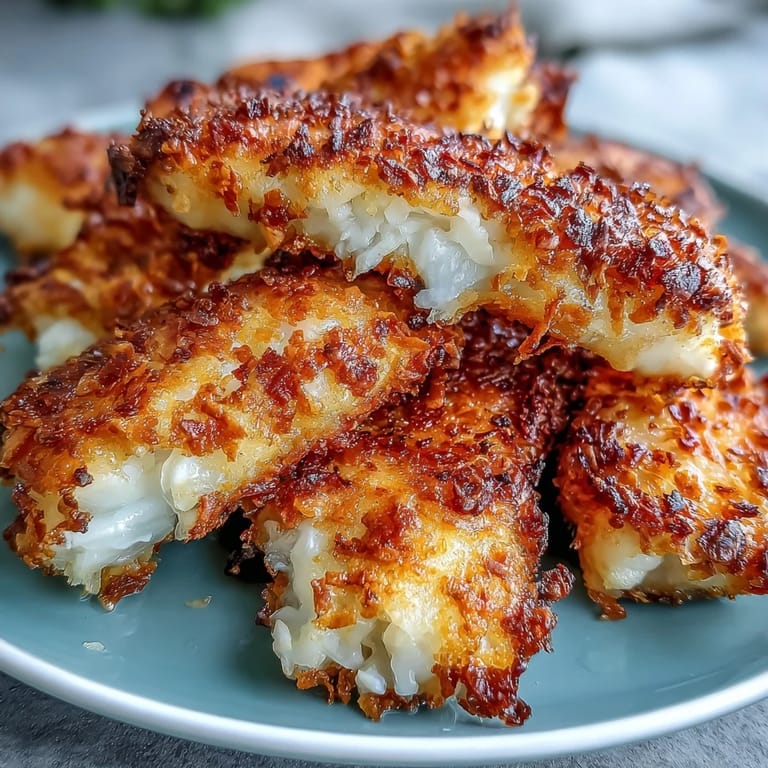
The first time I made these, my husband walked into the kitchen and asked if I'd ordered takeaway. The smell of toasted Parmesan and paprika filled the whole house, and honestly, I felt pretty smug. We ate them with our fingers, dipping into the pesto like kids, and it became one of those meals that gets requested by name. Now, whenever I make them, I think about that night and how something so simple can feel like a bit of a celebration.
Ingredients
- Skinless haddock fillets: Haddock is mild and flaky, perfect for goujons, but cod or pollock work just as well if that's what you've got.
- Plain flour: This first coating helps the egg stick and creates a base layer for the crust to cling to.
- Eggs: Beaten eggs act as the glue that holds the Parmesan panko mixture in place as it bakes.
- Panko breadcrumbs: Panko gives you that light, crunchy texture that regular breadcrumbs just can't match.
- Parmesan cheese (for coating): Finely grated Parmesan adds a salty, nutty richness that makes the crust irresistible.
- Black pepper, sea salt, and smoked paprika: These season the crust and add a subtle warmth without overpowering the fish.
- Frozen peas: They blanch quickly and blend into a sweet, vibrant pesto that feels fresh even in winter.
- Fresh basil leaves: Basil brings that classic pesto flavor and a lovely green color to the sauce.
- Parmesan cheese (for pesto): A little more Parmesan in the pesto ties the whole dish together beautifully.
- Garlic clove: Just one small clove adds depth without making the pesto too punchy.
- Pine nuts: They give the pesto a creamy, slightly sweet finish, but sunflower seeds work if you need nut-free.
- Extra-virgin olive oil: This loosens the pesto and adds a fruity richness that balances the peas.
- Lemon juice: A squeeze of lemon brightens everything and cuts through the richness of the cheese.
- Lemon wedges and salad leaves: Serving extras that make the plate feel complete and give you a fresh contrast to the crispy fish.
Tired of Takeout? 🥡
Get 10 meals you can make faster than delivery arrives. Seriously.
One email. No spam. Unsubscribe anytime.
Instructions
- Get the oven ready:
- Preheat your oven to 200°C (180°C fan) or 400°F and line a baking sheet with parchment paper so the goujons don't stick. This also makes cleanup so much easier.
- Set up your coating station:
- Arrange three shallow bowls in a row: one with plain flour, one with beaten eggs, and one with the panko, Parmesan, pepper, salt, and paprika mixed together. It feels a bit like an assembly line, but it keeps things tidy.
- Coat the haddock strips:
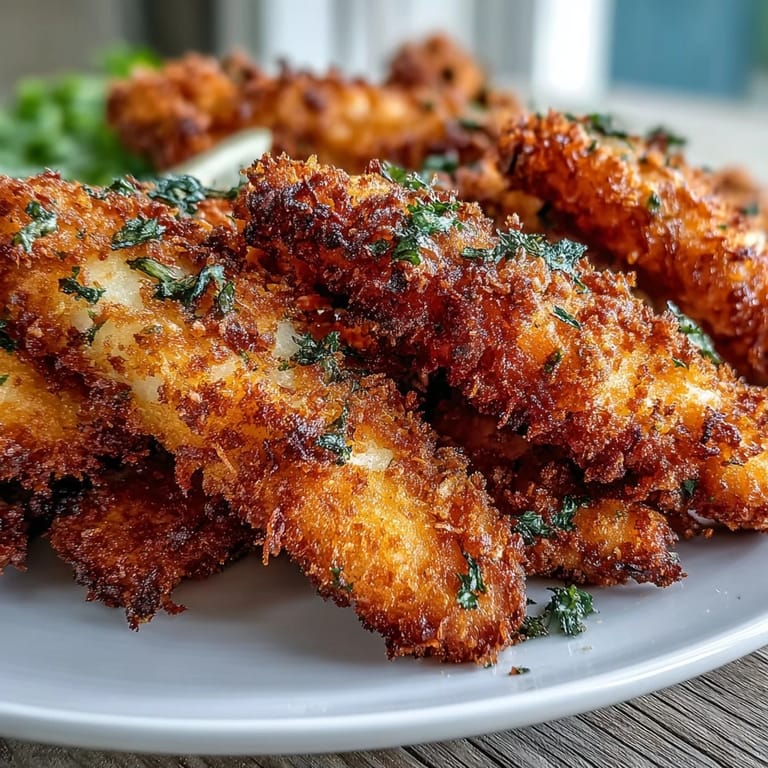
- Take each piece of haddock and dip it first in the flour, shaking off any excess, then into the egg, and finally press it into the Parmesan-panko mixture until it's fully coated. Lay them on the prepared baking sheet as you go.
- Bake until golden:
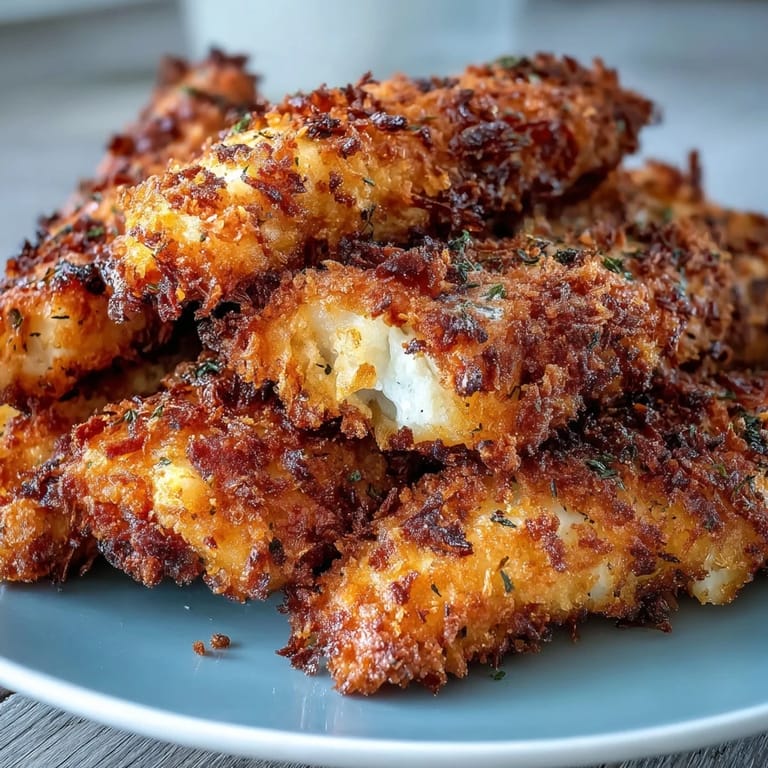
- Lightly spray or drizzle the goujons with a bit of olive oil to help them crisp up, then bake for 15 to 20 minutes, flipping them halfway through. You'll know they're done when they're golden and crunchy on the outside.
- Make the pea pesto:
- While the fish bakes, blanch the peas in boiling water for 2 minutes, then drain and run them under cold water to keep them bright green. Blitz them in a food processor with the basil, Parmesan, garlic, pine nuts, olive oil, and lemon juice until you get a textured, creamy pesto, then season with salt and pepper.
- Serve it up:
- Pile the hot goujons on a plate with a generous spoonful of pea pesto on the side, a few lemon wedges, and some salad leaves if you fancy. Enjoy them while they're still crispy.
 Save
Save There was one evening when I served these to friends who'd come over without much notice, and they kept asking for the recipe like I'd done something complicated. I didn't have the heart to tell them it was just frozen peas and a bit of Parmesan magic. That's the thing about this dish: it looks and tastes like effort, but it's really just smart layering and good timing.
Choosing Your Fish
Haddock is my go-to because it's firm enough to hold its shape when you cut it into strips, but not so dense that it takes forever to cook. Cod is a close second and slightly meatier, while pollock is a brilliant budget-friendly option that works just as well. Whatever you choose, make sure the fillets are skinless and relatively thick so the goujons don't dry out in the oven. I've learned the hard way that thin, flaky fillets fall apart during coating, and it's just not worth the frustration.
Making the Pesto Ahead
The pea pesto can be made a day or two in advance and kept in the fridge in a sealed container with a thin layer of olive oil on top to stop it browning. It actually tastes even better after a few hours because the flavors have time to meld together. Just give it a good stir before serving and taste it again, you might want to add a squeeze more lemon or a pinch of salt. I've even frozen leftover pesto in ice cube trays and popped a cube into pasta or stirred it through rice for a quick midweek boost.
Serving Suggestions and Pairings
These goujons are brilliant with a simple green salad dressed in lemon and olive oil, or alongside chunky oven chips if you want something more substantial. I've also served them as a starter at dinner parties with the pesto in little bowls for dipping, and they disappear in minutes. A crisp Sauvignon Blanc or a dry sparkling wine cuts through the richness beautifully, but honestly, a cold lager works just as well on a warm evening.
- Try them in a wrap with shredded lettuce and a dollop of pesto for an easy lunch.
- Serve with roasted new potatoes and steamed greens for a proper sit-down meal.
- Leftovers (if you're lucky enough to have any) reheat surprisingly well in a hot oven for 5 minutes.
 Save
Save This recipe has become one of those reliable favorites I turn to when I want something that feels special without the stress. I hope it brings a little bit of that same easy joy to your table.
Recipe FAQs
- → Can I use a different type of fish for this dish?
Yes, cod and pollock work excellently as substitutes for haddock. Both have a similar firm, flaky texture that holds up well to the coating and baking process.
- → How do I make this gluten-free?
Simply swap the plain flour for a gluten-free flour blend and use gluten-free breadcrumbs in place of panko. The Parmesan crust will still achieve the same golden, crispy finish.
- → Can the pea pesto be made in advance?
Absolutely. The pesto can be prepared up to 2 days ahead and stored in an airtight container in the refrigerator. Drizzle a thin layer of olive oil on top to prevent browning.
- → What can I use instead of pine nuts?
Toasted sunflower seeds make an excellent nut-free alternative with a similar texture and mild flavor. Walnuts or cashews also work well if you prefer a different nutty taste.
- → How do I ensure the coating stays crispy?
Make sure to spray or drizzle the goujons with oil before baking, and turn them halfway through cooking. Avoid overcrowding the baking sheet, as this can cause steaming rather than crisping.
- → What wine pairs best with this dish?
A crisp Sauvignon Blanc or dry sparkling wine complements the delicate fish and fresh pea pesto beautifully. The acidity cuts through the richness of the Parmesan crust.