Save
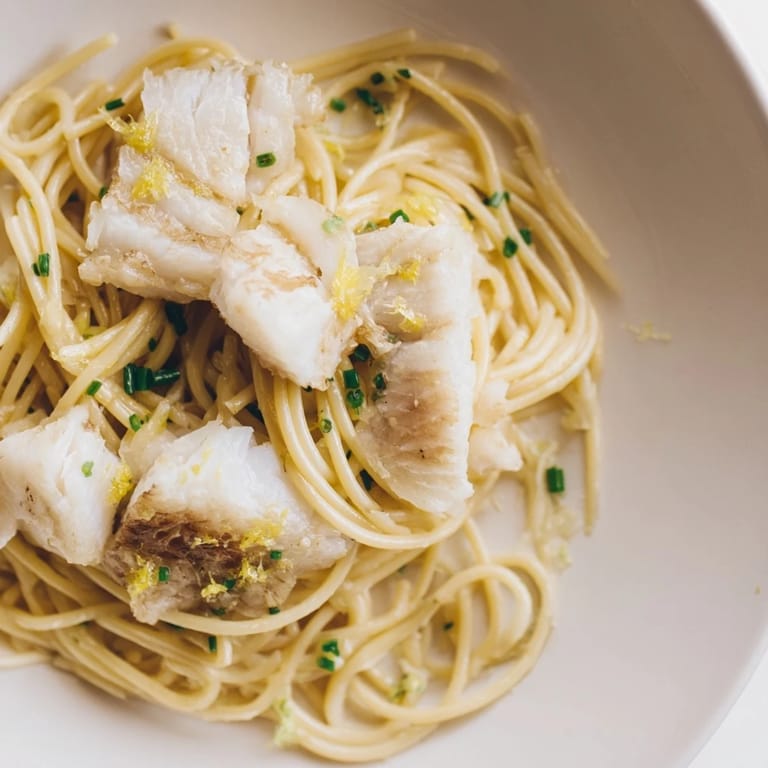
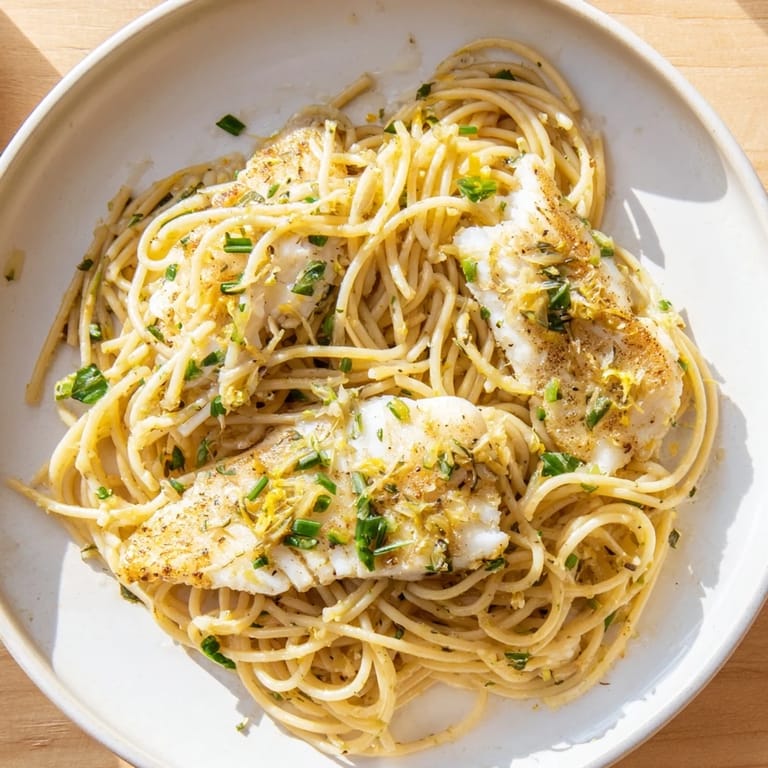
Save There's something almost magical about the moment when crispy fish flakes meet hot pasta and release a cloud of lemon steam. I discovered this combination on a Tuesday night when I had leftover cod and wanted something faster than my usual routine, nothing fancy, just honest ingredients doing what they do best. The kitchen filled with this bright, herbaceous smell that made everyone pause whatever they were doing to ask what was cooking. That's when I knew this dish had something special—it felt effortless to make but tasted like I'd spent hours perfecting it.
I made this for my partner one evening when we were both tired but didn't want to order takeout again, and watching their face light up when they tasted it felt like vindication somehow. It's become the dish I turn to when I want to impress without the stress, the one that somehow tastes better than it should given how simple the whole process is. Now it's the meal friends ask me to make, the one that gets requested before anything else.
Ingredients
- Firm white fish fillets (cod, haddock, or sea bass): Look for fillets that are about the same thickness so they cook evenly; thinner parts will crisp while thicker parts stay tender, and that's exactly what you want.
- All-purpose flour: Just enough to create a delicate golden crust without making the fish feel breaded, so don't oversaturate when dredging.
- Sea salt and black pepper: Season the fish aggressively before the flour goes on because the crust will seal in the flavoring.
- Olive oil for cooking: Use regular olive oil here since it has a higher smoke point than extra virgin, which stays for finishing where its fruity notes shine.
- Spaghetti or linguine: Both work beautifully; linguine cradles the flakes slightly better, but spaghetti is what I reach for more often.
- Unsalted butter: Creates that silky base for the garlic without overpowering the delicate fish flavors.
- Garlic, lemon zest, and fresh herbs: These three are the backbone; don't skip the zest because it adds brightness that juice alone can't deliver.
- Extra virgin olive oil for finishing: This is where quality matters because you're drizzling it on at the end, so let it taste like something.
Tired of Takeout? 🥡
Get 10 meals you can make faster than delivery arrives. Seriously.
One email. No spam. Unsubscribe anytime.
Instructions
- Start the pasta water:
- Get a large pot of salted water boiling before you do anything else. The salt should taste like seawater because that's how the pasta learns to taste like itself.
- Prep the fish while you wait:
- Pat the fillets completely dry with paper towels because moisture is the enemy of crispiness. Season both sides generously with salt and pepper, then dredge lightly in flour and shake off any excess so you get a whisper of coating, not a crust.
- Cook the pasta:
- Add the pasta once the water is rolling and stir occasionally so nothing sticks. Test it a minute or two before the package suggests because al dente should feel slightly firm to the bite, not soft. Reserve about half a cup of starchy pasta water before draining because you'll need it to silken the final dish.
- Pan-fry the fish until golden:
- Heat olive oil in a large skillet over medium-high heat until it shimmers, then gently lay in the fish fillets without moving them around. Let them sit undisturbed for 3 to 4 minutes so they develop that beautiful golden crust, then flip carefully and cook the other side for another 3 to 4 minutes. The fish should flake easily with a fork when it's done; transfer to a plate and let it cool for a moment before flaking into large, generous pieces.
- Build the sauce base:
- In the same skillet, reduce the heat to medium and add butter and finely chopped garlic. Listen for the sizzle to calm down slightly, then add lemon zest and chili flakes if you like a whisper of heat. This should smell incredible after about a minute.
- Bring it all together:
- Add the drained pasta to the skillet and toss it gently with the buttery garlic mixture, then pour in the lemon juice and enough reserved pasta water to create a light sauce that coats each strand. Scatter in the parsley and chives, then fold in the flaked fish with the gentlest touch, just enough to combine without breaking the fish into tiny pieces.
- Finish and serve:
- Drizzle with extra virgin olive oil, crack fresh black pepper over the top, and serve immediately with lemon wedges on the side so everyone can adjust the brightness to their taste.
 Save
Save There was this Sunday afternoon when I made this for someone who claimed they didn't like fish, and they ate seconds without realizing it. That moment changed how I think about this dish—it's not about fancy techniques or expensive ingredients, it's about treating simple things with respect and letting flavors speak without interference. Food that feels this honest somehow ends up being the most memorable.
Why the Pasta Water Matters
Most people drain the pasta and toss it directly with everything else, but that starchy water is like liquid gold for binding a light sauce. When you add it back gradually, it emulsifies with the oil and butter to coat every strand evenly, creating something silky without being heavy or requiring cream. It's one of those kitchen secrets that feels like cheating until you realize it's just understanding how ingredients actually behave.
Choosing Your Fish
Any firm white fish works beautifully here because you're looking for something that flakes into large pieces rather than falling apart into dust. Cod is reliable and widely available, but haddock has a slightly sweeter edge and sea bass feels more special if you're cooking for people who notice those things. The thickness should be consistent across the fillet so nothing cooks faster than anything else, and if your fish counter will cut them to match, that's worth asking for.
The Fresh Herb Finishing Touch
This is where the dish shifts from tasty to memorable because those herbs are bright and alive and never get completely cooked out. Adding them at the very end means they stay vibrant, perfuming each bite with that fresh garden quality that feels almost luxurious for such a simple pasta. You could make this exact dish with fewer herbs and it would still be good, but those extra half-ounces are what your guests will taste and remember.
- Fresh parsley and chives are standard, but a handful of finely torn basil or a scatter of fresh mint also transforms the flavor profile in unexpected ways.
- If your herbs are sitting in the fridge and look a little tired, dunk them in ice water for five minutes to crisp them back up before chopping.
- Always chop herbs by hand rather than with a food processor because the blade bruises them and releases their oils too early, fading their brightness.
 Save
Save This is the dish that proved to me that good food doesn't require complexity, just attention and respect for what you're cooking. Make it once and you'll understand why it keeps coming back to the table.
Recipe FAQs
- → What type of fish works best for this dish?
Firm white fish varieties like cod, haddock, sea bass, tilapia, or snapper are ideal. These hold their shape during cooking and won't fall apart when flaked. Look for fillets that are about 1 inch thick for even cooking.
- → How do I achieve a crispy fish exterior?
Pat the fish fillets completely dry with paper towels before seasoning and flouring. A light flour coating helps create a golden crust. Heat the olive oil until it shimmers, then cook at medium-high heat for 3-4 minutes per side without moving the fish around too much.
- → Can I prepare this dish ahead of time?
This dish is best served immediately while the fish is warm and the pasta is hot. However, you can prep ingredients in advance: cook pasta earlier and reheat gently, prepare the fish and herbs, and assemble just before serving for optimal texture.
- → What should I do if the sauce seems too dry?
Reserved pasta water is your secret weapon. Add it gradually while tossing the pasta to create a light, silky sauce that clings to each strand. Start with a few tablespoons and adjust until you reach the desired consistency.
- → Is this suitable for a gluten-free diet?
Yes, simply substitute regular flour with gluten-free flour for coating the fish, and use gluten-free pasta. The rest of the ingredients are naturally gluten-free. Ensure all products are certified gluten-free if preparing for someone with celiac disease.
- → What wine pairs well with this dish?
Crisp white wines like Sauvignon Blanc, Pinot Grigio, or Albariño complement the lemon and fish beautifully. The acidity and minerality of these wines enhance the fresh, bright flavors without overwhelming the delicate fish.