Save
Save There's something magical about deconstructing a spring roll into a bowl—I discovered this while standing in my kitchen on a sweltering afternoon, staring at wilting lettuce wraps and thinking there had to be a better way. Instead of rolling, I simply layered everything fresh and bright over noodles, drizzled on that creamy peanut sauce, and suddenly lunch felt like an event. My partner walked in mid-bite and immediately claimed the leftovers, which told me everything I needed to know.
I made this for a small dinner party when a friend mentioned she'd gone vegetarian, and I wanted to prove that vegetarian meals could be exciting rather than apologetic. Watching everyone build their own bowl—tofu or not—and customize the sauce spiciness felt like hosting a little ritual. That night, the conversation never hit a lull, and I'm pretty sure the food had something to do with it.
Ingredients
- Rice vermicelli noodles: These delicate strands cook in minutes and won't turn mushy if you rinse them properly—that step matters more than you'd think.
- Sesame oil: A little goes a long way, and tossing the noodles with it prevents that annoying clumping that ruins the texture.
- Carrots and cucumber: The julienne cut matters here because thin pieces let you taste each vegetable without the bowl turning into a chopping hazard.
- Red bell pepper: This adds sweetness that balances the savory sauce, so don't skip it for another veggie.
- Red cabbage: The color stays vibrant, and the slight crunch adds structure that keeps the bowl interesting bite after bite.
- Bean sprouts: Toss these in at the last moment so they stay crisp—room temperature is perfect for texture.
- Fresh cilantro and mint: These aren't garnishes, they're flavor architects that transform the whole experience with their brightness.
- Firm tofu: Press it well before cooking so it actually crisps up instead of steaming itself into sadness.
- Creamy peanut butter: The kind without added sugar works best because you're already using maple syrup for balance.
- Soy sauce: If you need it gluten-free, tamari is genuinely indistinguishable here.
- Rice vinegar: This adds tang without overpowering, a lesson I learned after using regular vinegar and regretting it.
- Maple syrup or honey: Both work, though maple gives a deeper note that I've come to prefer.
- Fresh ginger and garlic: Minced finely so they dissolve into the sauce rather than creating little chunks.
Tired of Takeout? 🥡
Get 10 meals you can make faster than delivery arrives. Seriously.
One email. No spam. Unsubscribe anytime.
Instructions
- Prep the noodles first:
- Boil them according to package directions—usually 4 to 5 minutes—then rinse under cold water until they cool completely. The sesame oil prevents them from sticking into a block, which is non-negotiable.
- Slice and arrange your vegetables:
- Get everything into separate bowls so it stays organized and looks intentional when you build each serving. This separation also means guests can skip what they don't love.
- Cook your protein:
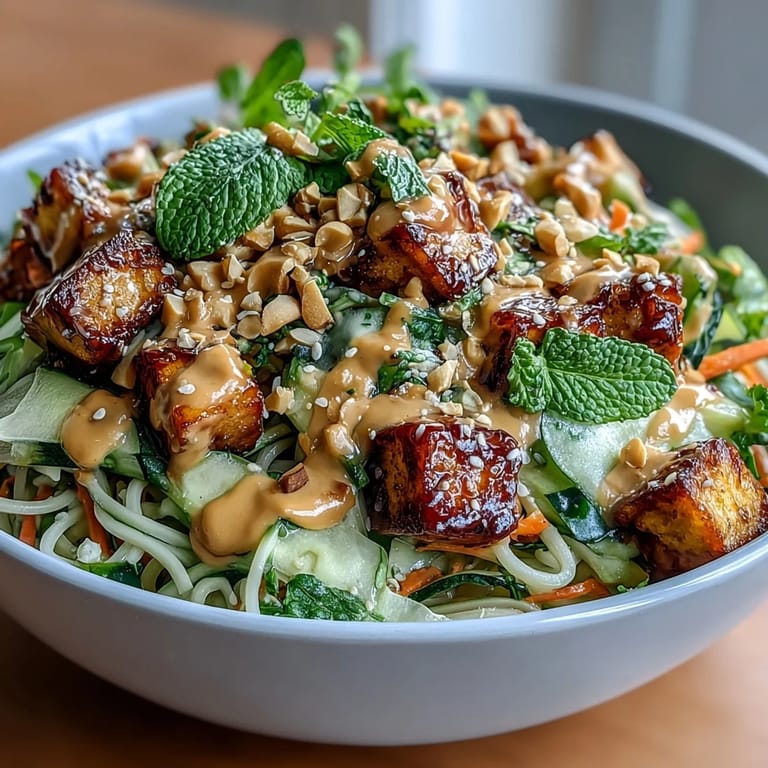
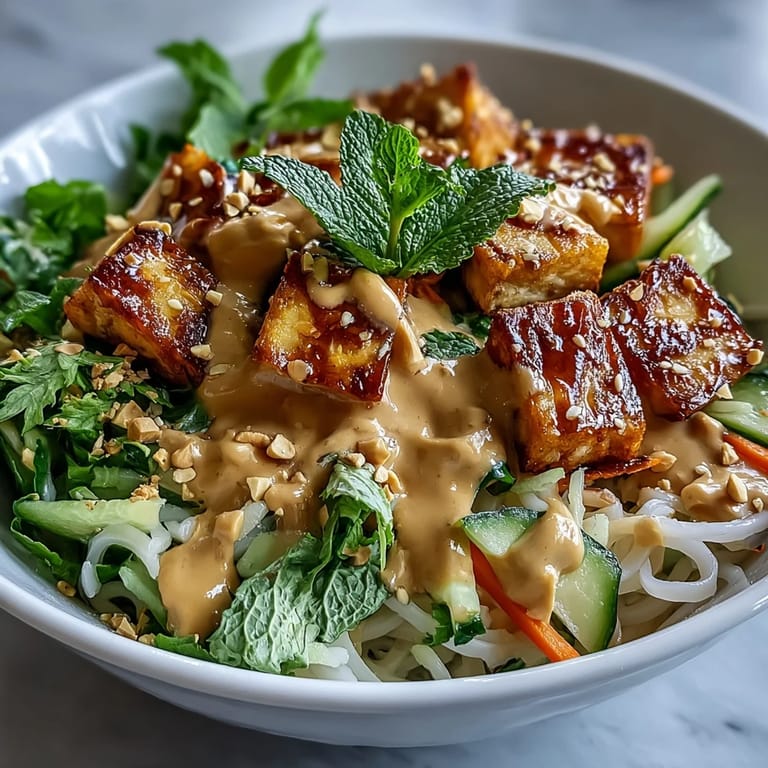
- For tofu, press it between towels for a few minutes, cube it, and pan-fry over medium heat until the edges turn golden—this happens faster than you'd expect. For shrimp, just make sure it's cooked and chilled before assembly.
- Build your peanut sauce:
- Whisk the peanut butter with soy sauce, vinegar, maple syrup, sesame oil, garlic, and ginger in a bowl, then add warm water slowly until it flows like a proper sauce. Taste it and adjust the salt or sweetness because your preference matters more than any recipe.
- Assemble with intention:
- Divide noodles into bowls, arrange vegetables and protein on top like you're plating something special, then drizzle generously with sauce. The presentation makes people actually want to eat it.
- Finish and serve:
- Scatter peanuts and sesame seeds over everything, add lime wedges, and let people squeeze and mix to their liking. This step takes ten seconds and transforms how the dish feels.
 Save
Save There was a moment during that dinner party when everyone stopped talking and just ate, fully present with their food, and I realized this bowl had accidentally created space for people to actually enjoy something together. That's when a meal stops being about nutrition and becomes about connection.
Why This Bowl Works Year-Round
Summer makes this bowl feel essential—it's cool, bright, and doesn't heat up the kitchen, which matters when the temperature is already climbing. Winter versions work too; serve it warm with everything freshly made and it becomes comforting rather than refreshing. Spring and fall versions slot in perfectly between those seasons, which is why this has become my default lunch when I'm not sure what to make.
Building Bowls for Different Diets
The beauty of this format is that everyone gets to choose what goes into their bowl without anyone feeling like they're eating something separate. Swap tofu for shrimp, grilled chicken, or leave the protein out entirely—the vegetables and sauce carry enough flavor that the bowl stands on its own. I've served this to omnivores and strict vegans at the same table, and no one felt like they were eating a lesser version of dinner.
The Secret to Sauce That Actually Tastes Good
Most people make peanut sauce too thick and too sweet, then wonder why it tastes like something from a jar. The ratio of peanut butter to liquid matters, and so does tasting as you go—I usually add the water in quarters and check the flavor between each addition. The sauce should taste almost aggressive on its own, because it mellows once it hits the cooler noodles and vegetables.
- Warm water thins the sauce without diluting the peanut flavor like cold water would.
- A squeeze of lime juice right before serving brightens the whole thing in a way that feels intentional.
- If you want heat, add sriracha or fresh chili to your own portion rather than the whole batch—people have different tolerances.
 Save
Save This bowl has become my answer to the question I used to dread: what's for dinner? It's easy enough for a weeknight, impressive enough for guests, and flexible enough that it never feels repetitive no matter how often you make it.
Recipe FAQs
- → Can I make the bowl gluten-free?
Yes, by using tamari instead of regular soy sauce, you can enjoy a gluten-free version of the dish without compromising flavor.
- → What proteins work best in this bowl?
Firm tofu pan-fried until crisp or cooked shrimp are ideal, but grilled chicken or other preferred proteins can also be used.
- → How do I prepare the peanut sauce to the right consistency?
Whisk peanut butter with soy sauce, rice vinegar, maple syrup, sesame oil, garlic, and ginger, then add warm water gradually until pourable.
- → Can I add spice to the peanut sauce?
Absolutely! Adding sriracha or fresh sliced chili to the sauce gives it a pleasant spicy kick.
- → What garnishes enhance the bowl’s flavor and texture?
Roasted peanuts, toasted sesame seeds, and a squeeze of lime add crunch and brightness that elevate the overall taste.
- → Is the bowl suitable for vegan diets?
Using tofu as the protein and ensuring maple syrup replaces honey provides a fully vegan-friendly option.