 Save
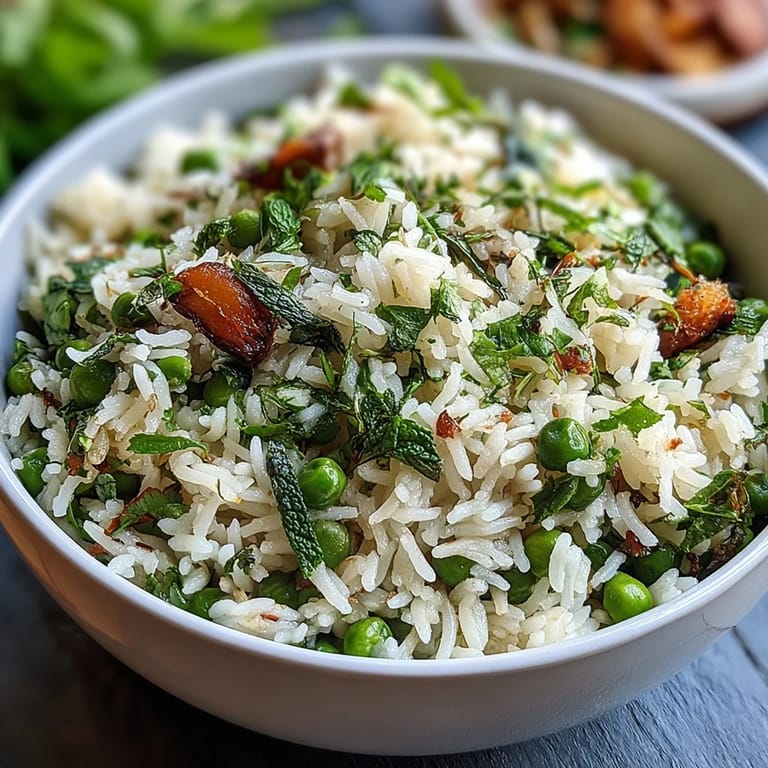
Save There's something about spring that makes me want to cook with my hands rather than my instincts, if that makes sense. Last April, I found myself at the farmer's market on a whim, drawn to a pile of peas so bright they seemed almost unreal, and a bunch of mint that smelled like the season itself. By that evening, I'd built this pilaf around them, and the first bite transported me somewhere between a garden and a dinner table. It became my go-to when I needed something that felt alive on the plate.
I made this for a small Easter dinner once, and watching my grandmother take that first spoonful, then close her eyes slightly—that's when I knew I'd gotten something right. She told me it reminded her of her mother's kitchen, which was the highest compliment I could receive. Now whenever spring rolls around, someone in my family asks if I'm making "that pilaf" again.
Ingredients
- Long-grain white rice (1 cup): Basmati or jasmine work beautifully here because they stay separate and absorb flavor without getting mushy, which I learned the hard way with regular long-grain rice years ago.
- Low-sodium vegetable broth (2 cups): The broth is your foundation, so using something decent makes a real difference; I've found that low-sodium gives you room to taste everything else.
- Fresh or frozen spring peas (1 cup): Frozen peas are honestly just as good as fresh and sometimes better since they're picked at peak ripeness, so don't feel pressured to hunt down fresh ones.
- Yellow onion (1 small, finely chopped): The onion gets soft and sweet as it cooks down, building flavor without overpowering the delicate peas and mint.
- Unsalted butter (2 tablespoons): This toasts the rice grains and carries the aromatics through the dish, creating that nutty undertone that makes people wonder what your secret is.
- Garlic (2 cloves, minced): Just 30 seconds in the pan releases its magic, but any longer and it turns bitter, which teaches you to respect timing.
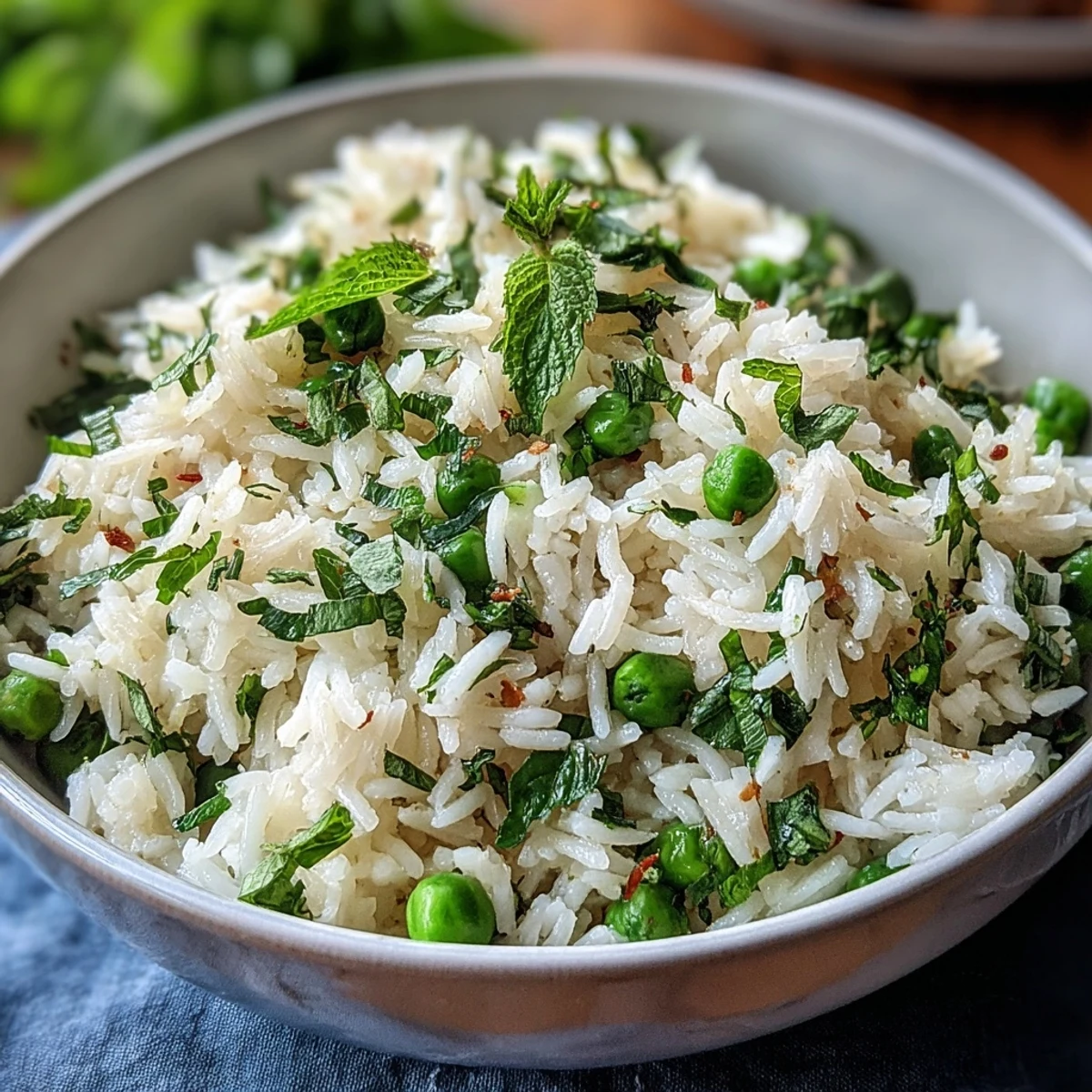
- Fresh mint leaves (1/2 cup, finely chopped): Add this at the very end so it stays bright and fragrant rather than becoming muted and dull from the heat.
- Fresh flat-leaf parsley (2 tablespoons, optional): Parsley adds another layer of freshness if you want it, though mint alone is beautiful too.
- Lemon zest (1 teaspoon): The zest gives you citrus brightness without the liquid acidity that could throw off the broth-to-rice ratio.
- Salt and black pepper (1/2 teaspoon salt, 1/4 teaspoon pepper): Start with these amounts and taste as you go, because everyone's palate is different and broth saltiness varies by brand.
Tired of Takeout? 🥡
Get 10 meals you can make faster than delivery arrives. Seriously.
One email. No spam. Unsubscribe anytime.
Instructions
- Rinse and prep your rice:
- Run the rice under cold water, stirring gently with your fingers until the water runs clear and the grains feel slightly slippery. This removes excess starch that would otherwise make the rice gummy, which is the foundation of fluffy pilaf.
- Build your flavor base:
- Melt butter in your saucepan over medium heat and let it foam slightly before adding the chopped onion. Let it soften for 2 to 3 minutes until it's translucent and smells sweet, then add the garlic and cook for just 30 seconds—you want fragrance, not brown bits.
- Toast the rice:
- Stir the rinsed rice into the butter and aromatics, coating each grain so it picks up all that golden flavor. You'll hear it make a gentle ticking sound against the pan, and that's exactly what you want.
- Add the broth and bring to a boil:
- Pour in the vegetable broth, add your salt and pepper, and let everything come to a rolling boil. This is when you cover the pot and reduce the heat to low, trusting the process for the next 15 minutes.
- Steam the rice:
- Let it simmer gently on low heat, covered and undisturbed, for 15 minutes. The lid traps the steam, which cooks the rice evenly without you having to fuss with it.
- Add the peas:
- After 15 minutes, stir in your peas straight from the freezer (or fresh if you have them) and cover again for 5 more minutes. The frozen peas thaw in the residual heat while keeping the pilaf bright and tender.
- Rest and fluff:
- Remove from heat and let it sit, covered, for 5 minutes so the rice finishes absorbing any remaining liquid. Fluff gently with a fork to separate the grains without crushing them.
- Add the fresh herbs and zest:
- Stir in your mint, parsley if you're using it, and lemon zest while the rice is still warm so they can release their oils. Taste and adjust salt and pepper to your preference.
- Serve:
- Transfer to a serving dish and squeeze a lemon wedge over the top if you'd like, though it's honestly perfect on its own.
 Save
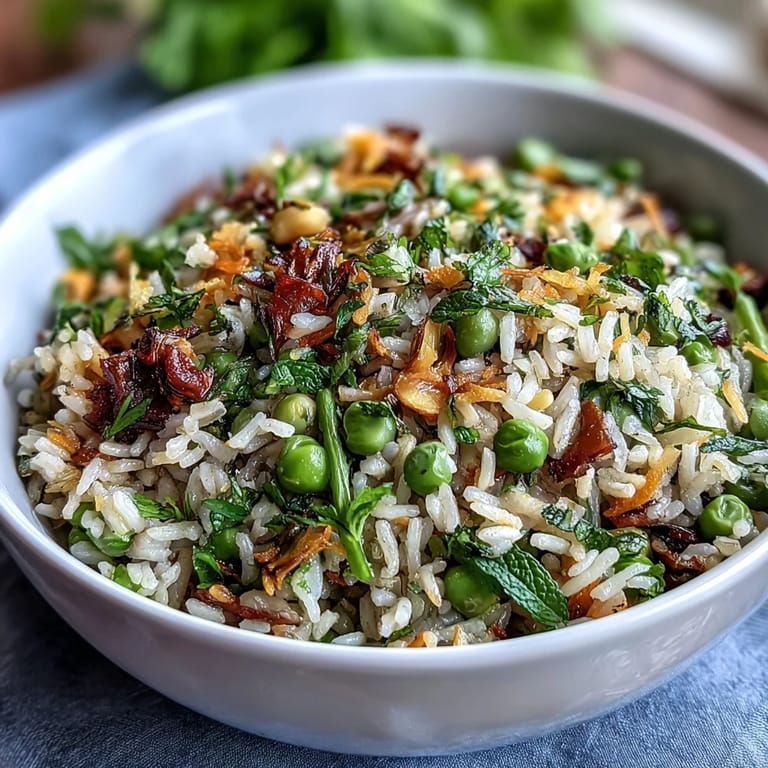
Save One rainy afternoon, I made this pilaf without really thinking about it, just moving through the steps on autopilot. My neighbor stopped by, smelled it from the doorway, and asked if I was cooking something I'd learned from my grandmother. I laughed because no one ever teaches you how to make something taste like care, but somehow this dish does exactly that. It's become one of those recipes I make when I want to feel close to people, even if they're just sitting at my table.
Pairing and Serving Suggestions
This pilaf shines brightest alongside ham, roasted chicken, or baked salmon, where its freshness cuts through richer flavors and makes everything taste brighter. I've also served it at room temperature alongside grilled vegetables for a spring picnic, and it held up beautifully. The mint and peas feel celebratory without being fussy, so it works equally well for a casual weeknight dinner or something more intentional.
Making It Ahead and Reheating
You can absolutely make this pilaf a few hours ahead, and it reheats gently with just a splash of broth and a low temperature, which I've found keeps everything from drying out. I usually store it in a covered bowl at room temperature if it's going in the oven within a couple of hours, or in the fridge if I'm saving it for the next day. The mint and lemon zest are always better added fresh right before serving, so hold those back if you're prepping ahead.
Variations and Swaps
The beauty of this recipe is how easily it adapts to what you have on hand or what sounds good in the moment. I've made it with scallions instead of parsley, swapped half the butter for olive oil for a lighter feel, and once added a handful of toasted pine nuts for texture. You can also use any fresh herbs you love—cilantro, basil, or chives all work beautifully—so let your instincts and what's in your garden or market guide you.
- For a vegan version, use plant-based butter or olive oil instead of the unsalted butter, and everything else stays exactly the same.
- If you want richer flavor, substitute half the butter with olive oil and add a tiny pinch of saffron threads for a subtle golden note.
- Leftovers reheat beautifully with a splash of broth over medium-low heat, covered, for about five minutes until warmed through.
 Save
Save This pilaf taught me that the simplest dishes are often the most rewarding, and that spring, in a pot, can taste like hope. Make it when you need something good.
Recipe FAQs
- → Can frozen peas be used instead of fresh?
Yes, frozen peas can be added directly from the freezer during cooking without thawing, retaining their sweetness and texture.
- → What type of rice works best for this pilaf?
Long-grain varieties like basmati or jasmine rice are recommended for their fluffy texture and delicate flavor.
- → How is the mint incorporated into the dish?
Fresh mint leaves are finely chopped and stirred in after cooking to preserve their bright, refreshing flavor.
- → Can this pilaf be made vegan?
Yes, substitute the butter with plant-based butter or oil to maintain richness while keeping it vegan.
- → Is there a way to make the pilaf more herbaceous?
Adding chopped parsley, scallions, or chives enhances the herbal notes and adds complexity to the flavor.
- → How do I ensure the rice is perfectly cooked?
Rinse the rice until water runs clear, simmer covered in broth, and let it stand covered after cooking to absorb moisture evenly.